
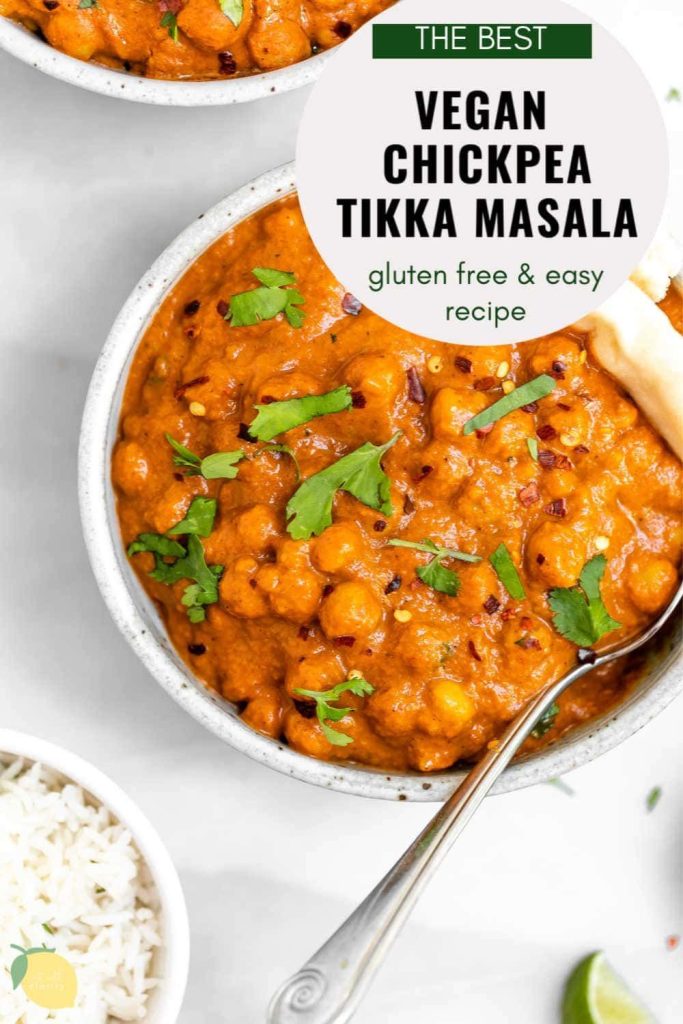
There are some dishes that feel like a warm embrace — the kind of meal that makes you slow down, take a breath, and remember that cooking can be one of the most grounding things a person does. Tikka masala is one of those dishes for me. Rich, fragrant, deeply spiced, and finished with a sauce that you will want to mop up with everything in reach, it has long been a favourite in households across the world.
This version swaps the traditional chicken for chickpeas — not as a compromise, but as a genuine upgrade. Chickpeas carry spice beautifully. They have a natural earthiness that pairs wonderfully with the tomato-based sauce, and their firm texture means they hold up through the simmering process without turning to mush. The result is a bowl of food that is satisfying in every sense of the word.
What I love most about this recipe is that it is genuinely achievable on a weeknight. If you keep a few key spices in your pantry and most home cooks do the shopping list is short and the active cooking time is under forty minutes. Yet the flavour suggests something far more laboured. That is the beauty of spices used well.
Understanding the Flavour Base
Before we get into the recipe itself, it is worth talking briefly about what makes a tikka masala sauce taste the way it does because understanding the flavour logic makes you a better cook, not just a better recipe-follower.
The foundation is a deeply cooked onion and tomato base. When you take the time to cook the onions low and slow until they are genuinely golden not merely translucent you develop a natural sweetness and depth that no amount of seasoning can replicate. This step is the most important in the recipe, and it is also the one most people rush. Give it time.
From there, the spice blend does the work. Cumin, coriander, garam masala, turmeric, and smoked paprika come together to create that unmistakable warmth. A generous amount of ginger and garlic rounds out the aromatics. The final touch a swirl of coconut cream softens the edges of the sauce and gives it that distinctive, velvety finish.
Ingredients (Serves 4)
- 2 cans (800g) chickpeas, drained and rinsed
- 1 can (400g) chopped tomatoes
- 1 can (400ml) coconut cream
- 2 medium onions, finely diced
- 6 garlic cloves, minced
- 2 tablespoons fresh ginger, grated
- 3 tablespoons tomato paste
- 2 tablespoons neutral oil (such as sunflower or coconut)
- 1½ teaspoons cumin seeds
- 1½ teaspoons ground coriander
- 1 teaspoon turmeric
- 1 teaspoon smoked paprika
- 1½ teaspoons garam masala
- 1 teaspoon chilli powder (adjust to taste)
- 1½ teaspoons salt, or to taste
- 1 teaspoon sugar (optional, to balance acidity)
- Fresh coriander, to serve
- Basmati rice or naan bread, to serve
Method
Step 1: Build the Base
Heat the oil in a wide, heavy-bottomed pan over medium heat. Add the cumin seeds and let them sizzle for about thirty seconds — you will know they are ready when they begin to pop and release their aroma. Add the diced onions and a pinch of salt. Cook over medium-low heat for 12 to 15 minutes, stirring occasionally, until the onions are deeply golden and beginning to caramelise. This patience is rewarded later in the depth of the sauce.
Step 2: Add Aromatics and Spices
Stir in the garlic and ginger and cook for two minutes. Add the tomato paste and cook for another two minutes, stirring constantly — this brief caramelisation of the paste removes its raw edge and adds another layer of flavour. Now add the ground coriander, turmeric, smoked paprika, and chilli powder. Stir everything together and cook for one minute, letting the spices bloom in the residual oil.
Step 3: Build the Sauce
Pour in the chopped tomatoes and stir well, scraping any caramelised bits from the bottom of the pan. Simmer for 10 minutes, allowing the tomatoes to break down and the sauce to reduce. If you prefer a smoother sauce, use an immersion blender at this point to partially blend it — leaving some texture is perfectly fine too.
Step 4: Add the Chickpeas and Coconut Cream
Add the drained chickpeas and stir to coat them in the sauce. Pour in the coconut cream, reduce the heat to low, and simmer gently for 15 minutes. The sauce will thicken and deepen in colour. Add the garam masala and taste for salt. If the sauce tastes sharp or overly acidic, a small pinch of sugar will balance it beautifully.
Step 5: Rest and Serve
Remove from heat and allow the dish to rest for five minutes before serving. This brief resting time allows the flavours to settle. Serve over fluffy basmati rice or alongside warm naan bread, and finish with a generous handful of fresh coriander.
Why This Works for the Whole Family
One of the most common hesitations around plant-based cooking is the question of whether it will satisfy everyone at the table — particularly those who are accustomed to meat-centred meals. This tikka masala addresses that concern directly. Chickpeas are a meaningful source of plant-based protein and dietary fibre, which means this dish is genuinely filling rather than a lighter, compromise version of something else.
Each serving provides approximately 18 grams of protein from the chickpeas alone, alongside iron, folate, and complex carbohydrates from the legumes. The coconut cream contributes healthy fats that support nutrient absorption from the spices — particularly the curcumin in turmeric, which requires fat to be properly absorbed by the body.
Customising the Recipe
This recipe is forgiving and highly adaptable. Here are a few variations worth exploring:
Add vegetables: Spinach, diced sweet potato, or cauliflower florets all work beautifully in this sauce. Add firmer vegetables at the same time as the chickpeas, and stir spinach in during the last two minutes of cooking.
Adjust the heat: The chilli powder quantity in this recipe creates a mild-to-medium heat. Increase it for a spicier result, or replace it entirely with a sweet paprika for a family-friendly version that still has full flavour.
Storing and Reheating.
Store leftovers in an airtight container in the refrigerator for up to four days. The sauce thickens considerably once chilled, so add a small splash of water when reheating. It also freezes exceptionally well — portion it into freezer-safe containers and freeze for up to three months. Defrost overnight in the refrigerator before reheating gently on the stovetop.
A Dish That Brings People Together
Use canned coconut milk instead of cream: Coconut milk will produce a lighter, thinner sauce. Both work well — the choice depends on how rich you want the final dish to be.
Make it ahead: Tikka masala is one of those dishes that genuinely improves overnight. The spices continue to develop, the sauce thickens slightly, and the chickpeas absorb more of the surrounding flavour. Make a double batch and refrigerate for up to four days.
There is something quietly special about a recipe that crosses dietary lines so gracefully. Guests who eat meat rarely notice the absence of it in this dish. What they notice instead is the sauce — its depth, its warmth, its balance. That is the mark of good cooking regardless of what is or is not in the pot.
This chickpea tikka masala has found its way onto my table more times than I can count, and it has become the kind of recipe I return to not because I have to, but because I genuinely want to. I hope it does the same for you.
Serve it to someone you love, or simply make it for yourself on a Tuesday evening when you need something that tastes like effort but takes very little of it. Either way, it will not disappoint.
Looking for more plant-based dinner ideas? Explore our full collection of vegan recipes in the Health & Lifestyle section.