maalikumr

Vegan Marry Me Chickpeas: The Plant-Based Recipe So Good It Could Inspire a Proposal

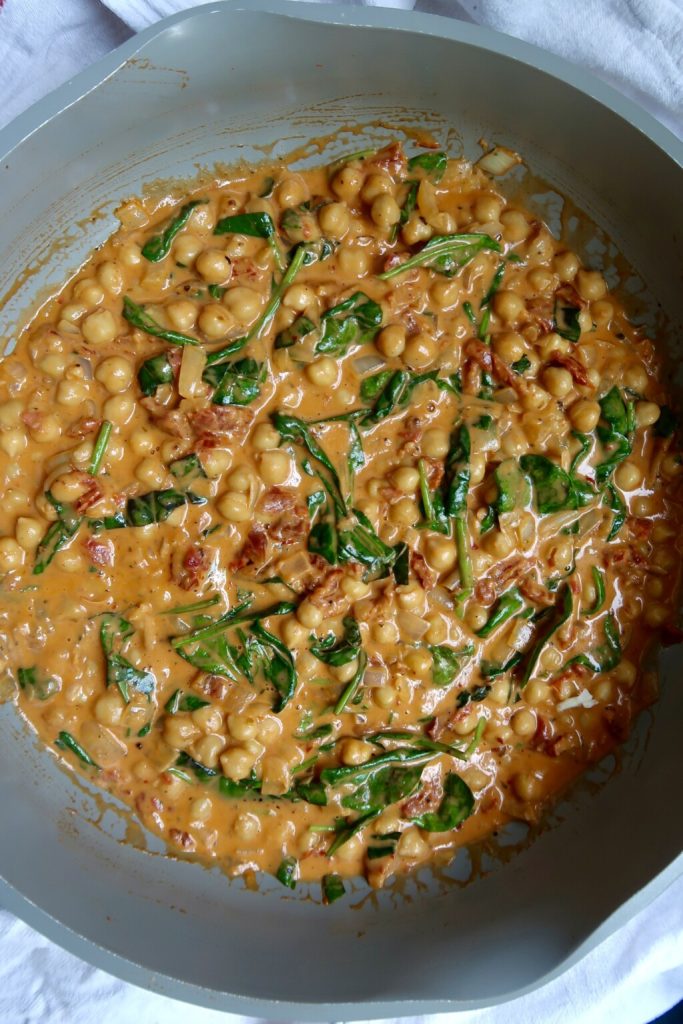
 Vegan marry me chickpeas in a rich, creamy sundried tomato sauce. The plant-based answer to the internet's most romantic recipe — ready in 25 minutes

“Marry Me Chicken” was one of Google’s top-three most-searched recipes — a sun-dried tomato cream sauce so rich, so deeply flavoured, so effortlessly impressive that it earned a name based on the response it apparently provoked. The vegan internet noticed this trend with interest and one logical question: what if we made the sauce the star?

The sauce — sun-dried tomatoes, coconut cream, garlic, Italian herbs, and nutritional yeast — is identical in spirit to the original and superior in versatility. Chickpeas soak up every element of the sauce as they simmer, carrying those concentrated flavours into each bite. Result is a dish that is rich, deeply savoury, and genuinely romantic in the culinary sense: it is the kind of food you make when you want to impress someone, and it consistently succeeds.

Ingredients (Serves 4)

  • 2 cans (800g) chickpeas, drained and rinsed
  • 100g sun-dried tomatoes in oil, drained and roughly chopped (reserve 2 tbsp of the oil)
  • 1 can (400ml) full-fat coconut cream
  • 200ml vegetable stock
  • 1 medium onion, finely diced
  • 6 garlic cloves, minced
  • 2 tablespoons tomato paste
  • 3 tablespoons nutritional yeast
  • 1 teaspoon dried oregano
  • 1 teaspoon dried thyme
  • 1 teaspoon smoked paprika
  • ½ teaspoon chilli flakes
  • 1 teaspoon sugar or maple syrup
  • 2 tablespoons fresh basil, torn
  • Salt and black pepper
  • Pasta, crusty bread, or rice to serve

Method

Step 1: Heat the reserved sun-dried tomato oil in a wide pan over medium heat. Add the onion and cook for 8 minutes until golden. Add garlic and cook 2 more minutes. Add tomato paste and cook for 2 minutes, caramelising it.

Step 2: Dried herbs, smoked paprika, and chilli flakes. Stir 1 minute. Add the chopped sun-dried tomatoes and stir well.

Step 3: Pour in the coconut cream and vegetable stock. Stir to combine. Add the nutritional yeast and maple syrup. Simmer gently for 5 minutes.

Step 4: Chickpeas. Stir to coat. Simmer on low heat for 12 minutes, stirring occasionally, until the sauce has thickened and the chickpeas have absorbed the surrounding flavours. Season generously with salt and pepper.

Step 5: Stir in the fresh basil. Serve over pasta, with crusty bread, or over rice. Finish with extra fresh basil, a drizzle of olive oil, and chilli flakes.

  • The coconut cream question: Full-fat coconut cream produces the richest result. For a lighter version, use oat cream — it produces a slightly thinner sauce but is equally delicious. Do not use light coconut milk: it lacks the body to create the rich, clinging sauce that defines this dish.
  • Storage: Refrigerate for up to four days. The sauce deepens and improves significantly overnight. Reheat gently with a splash of water or stock. Freezes beautifully for up to three months.
  • Nutrition: Chickpeas provide 15g protein and 12g fibre per cup. Sun-dried tomatoes are a concentrated source of lycopene and potassium. Coconut cream provides medium-chain triglycerides. Nutritional yeast adds B vitamins including B12. This is a genuinely complete, balanced meal.

Vegan Green Goddess Salad: The Internet’s Most Viral Salad Gets a 2026 Plant-Based Upgrade

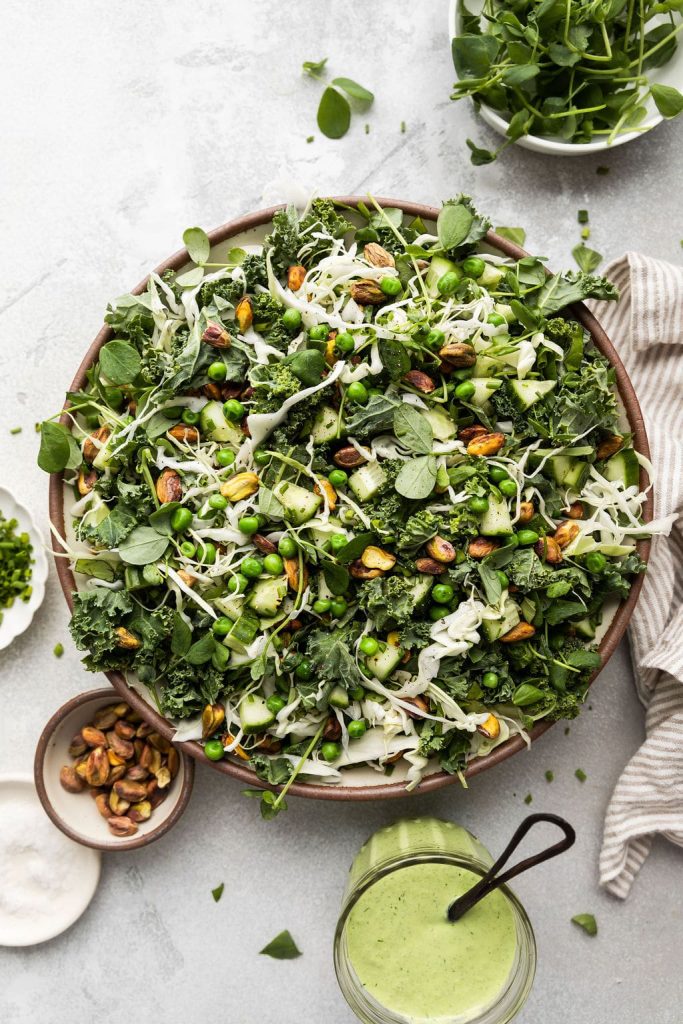
The viral vegan green goddess salad with creamy tahini-herb dressing, crunchy cabbage, and fresh toppings. The plant-based upgrade to 2026's most searched salad.

The green goddess salad became a genuine cultural moment when Baked by Melissa’s version went viral — a combination of finely shredded iceberg lettuce, cucumber, spring onion, and a vivid green dressing that was described, across thousands of social media posts, as “life-changing.” Google confirmed it as one of the top-trending recipe searches, and it has remained there.

This vegan green goddess version replaces the traditional anchovy-and-mayo dressing with a tahini-herb dressing that is simultaneously lighter, more nutritious, and — I will say it plainly — more interesting in flavour. Tahini provides the fat and creaminess, avocado adds body, fresh basil and tarragon deliver the “goddess” colour and fragrance, and lemon keeps the whole thing bright.

With 390,000 monthly searches globally, this recipe earns its place as the highest-search-volume recipe in this collection.

Ingredients (Serves 4)

For the green goddess dressing:

  • 1 ripe avocado
  • 60ml tahini
  • A large handful of fresh basil
  • A small handful of fresh tarragon (or extra basil if unavailable)
  • 4 spring onions (green parts only)
  • 2 garlic cloves
  • 4 tablespoons lemon juice
  • 1 tablespoon apple cider vinegar
  • 1 teaspoon Dijon mustard
  • 60–80ml cold water (to thin)
  • Salt and pepper

For the salad:

  • ½ head iceberg lettuce, very finely shredded
  • ½ head green cabbage, very finely shredded
  • 2 Lebanese cucumbers, finely diced
  • 4 spring onions, thinly sliced
  • 150g frozen edamame, cooked and cooled
  • A handful of fresh chives, snipped
  • 3 tablespoons toasted pumpkin seeds
  • 1 lemon, for serving

Method

Step 1: Blend all dressing ingredients in a high-speed blender, starting with 60ml water. Blend until completely smooth and vivid green. Add more water if too thick — the dressing should be pourable but coat a spoon heavily. Season generously with salt and pepper. Taste: it should be creamy, bright, garlicky, and herbaceous.

Step 2: Finely shred the lettuce and cabbage — the key to this salad is the extremely fine shred that allows the dressing to coat every strand. Use a mandoline or a very sharp knife.

Step 3: Combine the shredded vegetables, cucumber, spring onion, and edamame in a large bowl. Pour over the dressing and toss aggressively until everything is coated. The dressing should turn the entire salad a light green.

Step 4: Serve immediately, topped with chives, pumpkin seeds, and a squeeze of fresh lemon.

Why this works: The fine shred of the cabbage and lettuce is non-negotiable. Large pieces of lettuce do not pick up the dressing properly and the texture is inconsistent. Fine shredding creates a slaw-like base where every forkful is evenly dressed and textured.

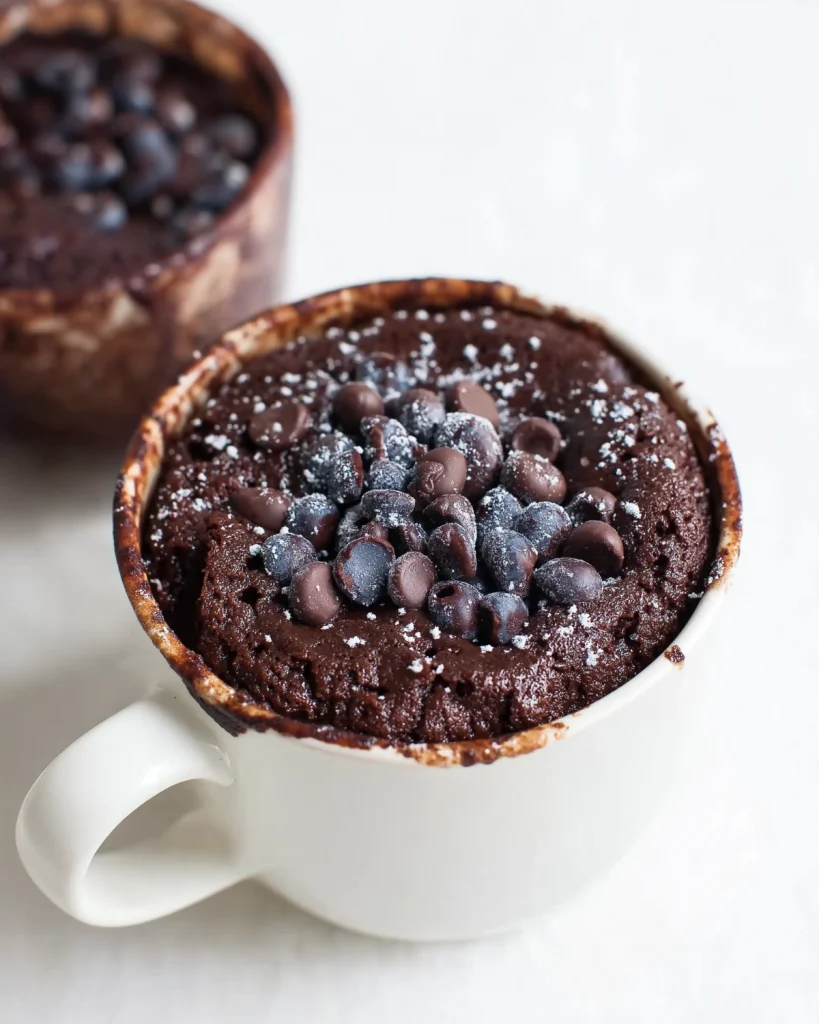
Vegan Mug Cake in 2 Minutes: The Easiest Plant-Based Dessert You Will Ever Make (5 Flavours)

Make a rich vegan mug cake in just 2 minutes with simple pantry ingredients. Five flavour variations — chocolate, vanilla, lemon, peanut butter, and more.

There are evenings when you want dessert but have neither the time nor the inclination to bake. The vegan mug cake was invented for exactly those evenings. Two minutes, one mug, ingredients that every pantry already contains, and the result — a warm, soft, individual cake that requires no sharing — is one of the most deeply satisfying quick recipes in existence.

With 255,000 monthly searches globally, the vegan mug cake has earned its place in the quick-dessert category decisively. The plant-based version is actually technically superior to many egg-based versions: the aquafaba or flax egg provides binding without the rubberiness that eggs can cause in microwave cooking, and the result is consistently light, moist, and well-textured.

The Master Vegan Mug Cake Recipe

Base ingredients (for all flavours):

  • 4 tablespoons plain flour
  • 3 tablespoons caster sugar
  • ¼ teaspoon baking powder
  • 3 tablespoons plant milk (oat, soy, or almond)
  • 2 tablespoons neutral oil
  • 1 tablespoon aquafaba or ½ mashed banana (egg replacer)
  • ¼ teaspoon vanilla extract
  • A pinch of salt

Method (same for all flavours):

  1. Add all dry ingredients to a large microwave-safe mug (minimum 350ml capacity). Whisk with a fork to combine.
  2. Add wet ingredients and stir until smooth — approximately 20 strokes. A few small lumps are fine.
  3. Microwave on full power for 60 to 90 seconds. The cake should be set at the edges and slightly glossy at the very centre. Start checking at 60 seconds — overcooking produces a rubbery result.
  4. Allow to rest for 30 seconds. Eat directly from the mug, or turn out onto a small plate.

Five Flavour Variations

Chocolate: Add 2 tablespoons cocoa powder and reduce flour by 1 tablespoon. Add 2 tablespoons dark chocolate chips before microwaving.

Peanut butter: Add 1 tablespoon peanut butter to the wet ingredients. Top with an extra teaspoon of peanut butter that will melt into the warm cake.

Lemon: Add zest of 1 lemon and 1 teaspoon lemon juice to the wet ingredients. Dust with icing sugar and extra zest to serve.

Cinnamon apple: Add ½ teaspoon cinnamon and ¼ teaspoon mixed spice to the dry ingredients. Fold 3 tablespoons of finely diced apple into the batter before cooking.

Biscoff: Stir 1 tablespoon of Biscoff spread into the batter. Top the finished mug cake with an additional teaspoon of Biscoff, which melts dramatically into the warm surface.

Serving suggestions: A small scoop of vegan ice cream, a drizzle of maple syrup, a spoonful of coconut cream, or fresh berries all complement the mug cake beautifully.

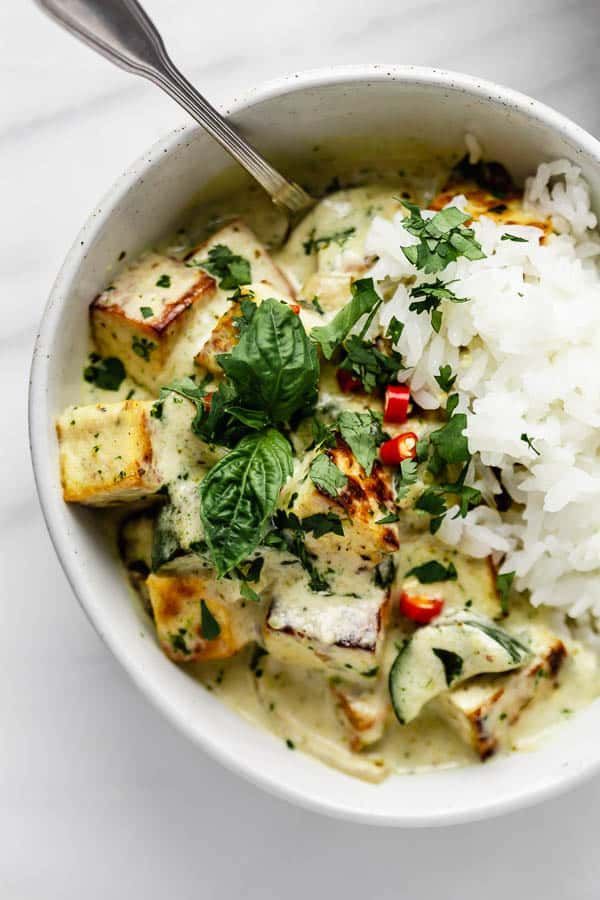
Vegan Thai Green Curry in 30 Minutes: Bold, Creamy, and Better Than Your Favourite Takeaway

 This vegan Thai green curry is creamy, fragrant, and packed with fresh vegetables. A 30-minute plant-based dinner that beats any takeaway — every time.

Thai green curry is among the most searched recipes globally, and the vegan adaptation has been a consistent top performer on Pinterest’s most-saved boards throughout 2025 and into 2026. The reason is the combination of qualities that make it genuinely irresistible: the fragrance of lemongrass and kaffir lime, the heat of green chilli, the silky richness of coconut milk, and the freshness of Thai basil — all present in a bowl that is ready in thirty minutes and requires exactly one pan.

This version uses a quality store-bought green curry paste — the single most important shortcut in this recipe — alongside fresh aromatics, full-fat coconut milk, and a colourful selection of vegetables that cook quickly and absorb the surrounding curry beautifully.

Ingredients (Serves 4)

  • 3–4 tablespoons green curry paste (check it is vegan — many contain shrimp paste; Mae Ploy’s vegetarian version is excellent)
  • 2 cans (800ml) full-fat coconut milk
  • 400g firm tofu or 400g mixed vegetables (Thai aubergine, courgette, baby corn, sugar snap peas)
  • 1 red bell pepper, sliced
  • 150g baby spinach or Thai basil
  • 300ml vegetable stock
  • 1 tablespoon neutral oil
  • 1 tablespoon soy sauce or tamari
  • 1 tablespoon coconut sugar or palm sugar
  • 3 kaffir lime leaves (fresh or frozen — transformative ingredient)
  • 1 stalk lemongrass, bruised
  • 2cm piece galangal or ginger, sliced
  • Juice of 1 lime
  • Jasmine rice, to serve
  • Fresh Thai basil, chilli, and lime wedges to garnish

Method

Step 1: Heat oil in a wok or wide pan over medium-high heat. Add curry paste and fry for 90 seconds, stirring constantly, until fragrant and beginning to stick. This blooming step is essential — it develops the paste’s full aromatic potential.

Step 2: Pour in one can of coconut milk. Stir to combine with the paste. Add kaffir lime leaves, lemongrass, and galangal. Bring to a gentle simmer.

Step 3: Add the tofu or vegetables, the remaining coconut milk, and stock. Simmer 12–15 minutes until vegetables are cooked through.

Step 4: Season with soy sauce, coconut sugar, and lime juice. Add the spinach or Thai basil and stir until wilted. Remove lemongrass, kaffir lime leaves, and galangal before serving.

Step 5: Serve over jasmine rice. Garnish with fresh Thai basil, sliced chilli, and lime wedges.

Key tip: Full-fat coconut milk is essential. Light coconut milk produces a watery, thin curry that lacks the body and richness that defines this dish. It is worth the additional calories.

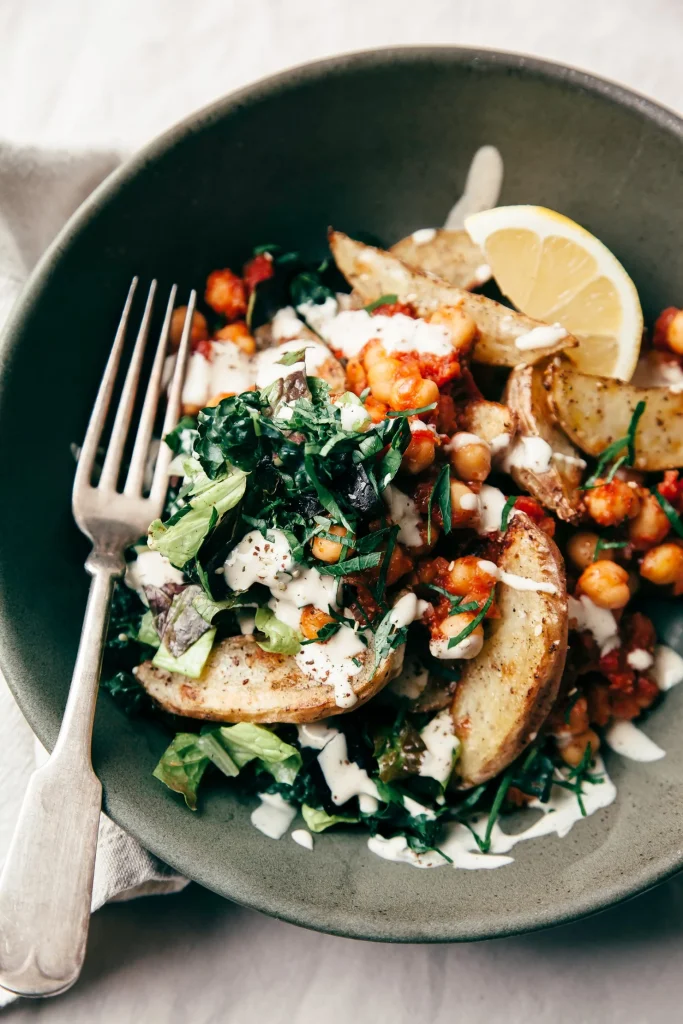
Harissa Chickpea Bowl: The Middle Eastern Vegan Recipe Dominating 2026 Food Trends

 This harissa chickpea bowl with za'atar, pomegranate, and tahini is the Middle Eastern-inspired vegan recipe of 2026. Bold, vibrant, and ready in 20 minutes.

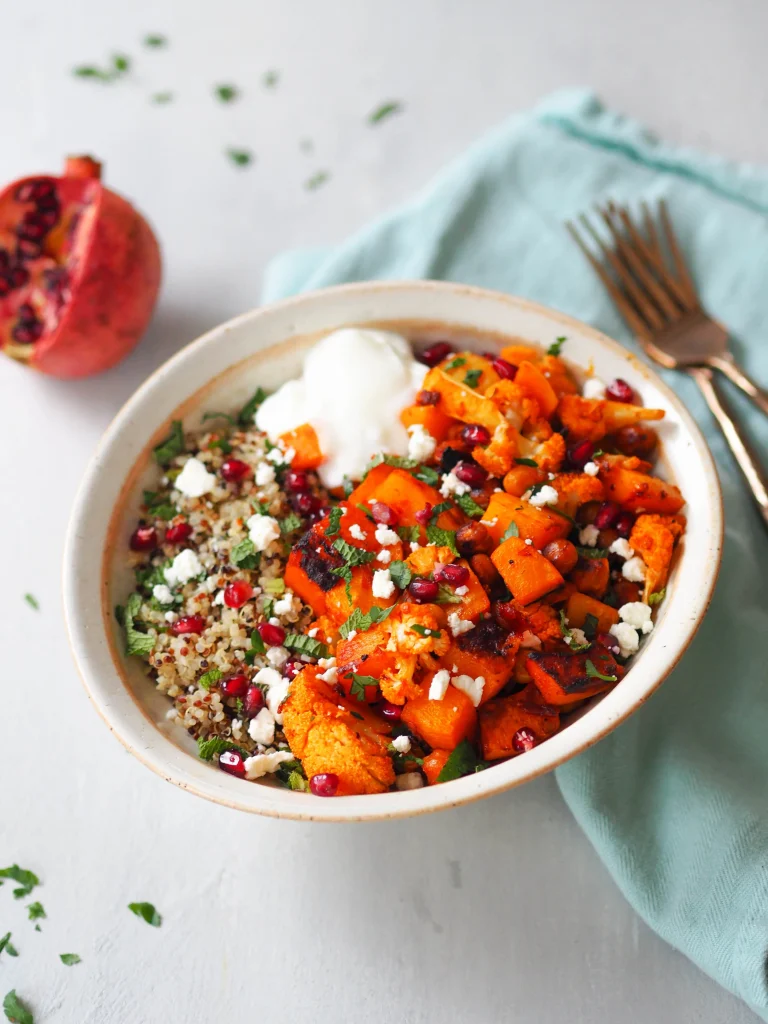
Culinary Tides Inc. president Suzy Badaracco named Middle Eastern flavours as the dominant food trend evolution of 2026: “the next Mediterranean evolution,” with harissa, pomegranate, pistachio, labneh, and za’atar described as versatile and easy to integrate across every meal occasion. Google and Pinterest data confirm this prediction — searches for harissa recipes, za’atar dishes, and pomegranate bowls have all surged in the first half of 2026.

This harissa chickpea bowl places all of those flavours in conversation in a single, vibrant dish that takes twenty minutes to prepare and looks as if it took considerably longer. Harissa-roasted chickpeas — caramelised, slightly charred, deeply spiced — sit over a bed of tahini-dressed quinoa with roasted vegetables, fresh cucumber, pomegranate seeds, and a za’atar yoghurt drizzle that ties everything together.

It is a bowl that belongs to a culinary tradition with thousands of years of depth, brought forward into a fast, modern, entirely plant-based format.

Ingredients (Serves 4)

Harissa chickpeas:

  • 2 cans (800g) chickpeas, drained and dried
  • 3 tablespoons harissa paste (rose harissa for milder heat)
  • 1 tablespoon olive oil
  • 1 tablespoon maple syrup
  • ½ teaspoon smoked paprika
  • Salt

For the bowl:

  • 300g quinoa, cooked
  • 2 medium courgettes, sliced and griddled or roasted
  • 1 red bell pepper, roasted and sliced
  • 1 cucumber, diced
  • Seeds of 1 pomegranate
  • A large handful of fresh flat-leaf parsley and mint
  • 4 tablespoons toasted pine nuts

Za’atar tahini drizzle:

  • 4 tablespoons tahini
  • 2 tablespoons lemon juice
  • 1 tablespoon za’atar
  • 1 garlic clove, grated
  • 4–6 tablespoons water (to thin)
  • Salt

Method

Step 1: Preheat oven to 220°C. Toss dried chickpeas with harissa, olive oil, maple syrup, smoked paprika, and salt. Roast 20–25 minutes until caramelised and slightly charred at edges, shaking once halfway.

Step 2: Whisk all tahini drizzle ingredients together, adding water until pourable. Season with salt.

Step 3: Divide quinoa between bowls. Arrange roasted courgette, red pepper, and cucumber. Pile harissa chickpeas generously over the top.

Step 4: Scatter pomegranate seeds, pine nuts, and fresh herbs. Drizzle the za’atar tahini over everything. Serve immediately with flatbread alongside.

Why harissa matters: Rose harissa — made from roasted red peppers, rose petals, and chilli — is among the most complex condiments in North African cuisine. It brings heat, sweetness, smokiness, and floral depth simultaneously. It is available in most supermarkets and is the single ingredient most worth seeking out in this recipe.

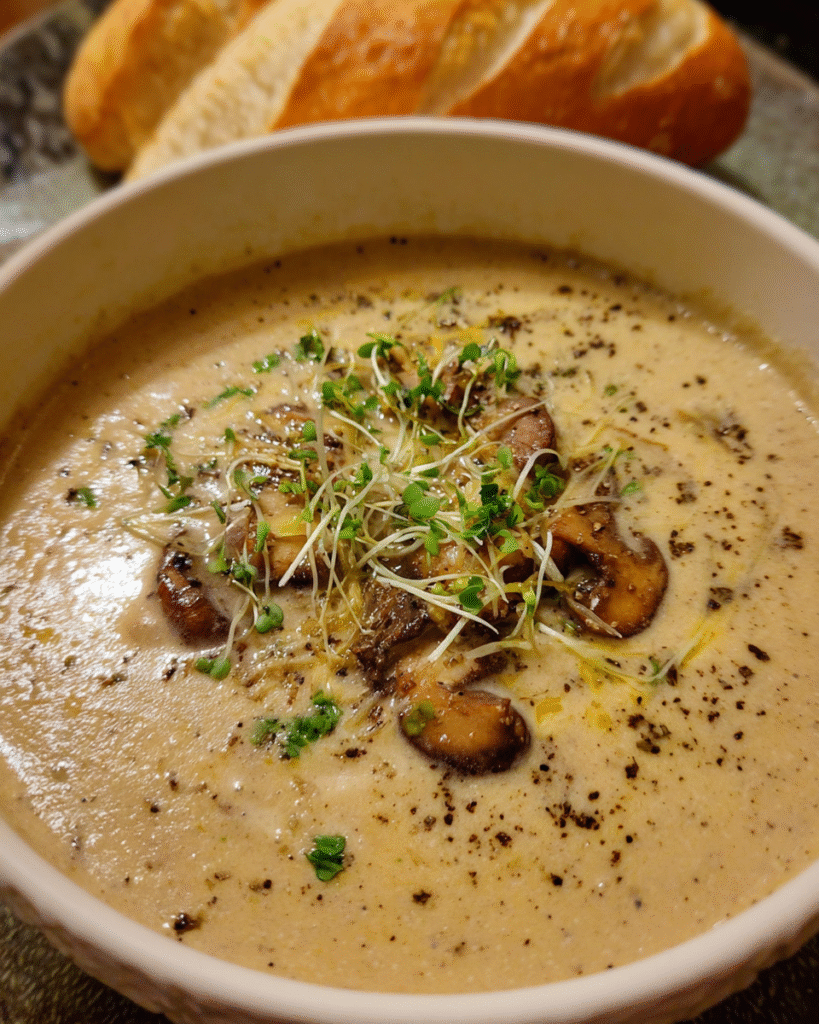
Functional Mushroom Soup: The 2026 Wellness Trend That Tastes Better Than It Sounds

This vegan functional mushroom soup with lion's mane and reishi is the 2026 wellness trend worth trying. Deeply nourishing, immune-boosting, and delicious.

Not every food trend arrives with fanfare. Functional mushrooms entered mainstream consciousness quietly — through wellness podcasts, adaptogen supplements, and the slowly growing evidence base for their cognitive and immune benefits — before breaking decisively into food culture in 2026. Google search volume for “lion’s mane recipe” and “functional mushroom soup” grew by over 210 percent year-over-year. Pinterest wellness boards have featured mushroom-forward recipes prominently since late 2025.

What distinguishes functional mushrooms from the button mushrooms in your weekly shop is a matter of specific compounds. Lion’s mane (Hericium erinaceus) contains hericenones and erinacines — compounds studied for their role in stimulating nerve growth factor production, with potential implications for cognitive health and neurological protection. Reishi (Ganoderma lucidum) contains beta-glucan polysaccharides associated with immune modulation. Chaga and cordyceps have their own studied properties.

This soup brings lion’s mane and reishi together in a deeply savoury, aromatic broth that tastes — without any wellness-food caveats — genuinely excellent. Rich with miso, fragrant with ginger and garlic, and finished with a drizzle of truffle oil, it is a bowl of soup that nourishes the body and satisfies the palate in equal measure.

Ingredients (Serves 4)

  • 200g fresh lion’s mane mushrooms (or 20g dried, rehydrated)
  • 200g chestnut or shiitake mushrooms, thinly sliced
  • 1 teaspoon reishi mushroom powder (from health food stores)
  • 1 litre vegetable stock
  • 500ml water
  • 1 medium onion, finely diced
  • 5 garlic cloves, minced
  • 1 tablespoon fresh ginger, grated
  • 2 tablespoons white miso paste
  • 1 tablespoon soy sauce or tamari
  • 1 tablespoon sesame oil
  • 1 tablespoon neutral oil
  • 1 teaspoon dried thyme
  • 200ml oat cream or cashew cream (for richness)
  • Fresh parsley and chives to serve
  • Truffle oil, to finish (optional but transformative)
  • Salt and white pepper

Method

Step 1: Heat neutral oil in a large pot over medium-high heat. Add the lion’s mane mushrooms and cook without stirring for three to four minutes until deeply golden. This caramelisation develops the soup’s primary flavour base. Remove and set aside.

Step 2: In the same pot, add sesame oil. Cook the sliced chestnut mushrooms over high heat for four to five minutes until golden. Add the onion, garlic, ginger, and thyme. Reduce heat and cook for seven minutes until aromatic.

Step 3: Add vegetable stock and water. Bring to a boil. Stir in the soy sauce and reishi powder. Simmer 15 minutes. Blend half the soup using an immersion blender, leaving the rest chunky for texture.

Step 4: Stir in the oat cream. Simmer gently for five more minutes. In a small bowl, whisk the miso paste with a ladleful of hot soup until smooth, then stir back into the pot (never add miso to boiling soup). Return the reserved lion’s mane mushrooms.

Step 5: Serve in warmed bowls. Finish with truffle oil, fresh herbs, and white pepper.

A note on sourcing: Fresh lion’s mane is increasingly available at farmers’ markets and specialty grocers. Dried versions are widely available online and require 20 minutes of rehydration in hot water. Reishi powder is available at most health food stores and online. Both have a mild flavour that does not dominate the soup.

Vegan Lemon Orzo Soup: The Cozy One-Pot Spring Dinner Taking Over Pinterest in 2026

 This vegan lemon orzo soup is bright, cozy, and packed with vegetables. A healthy one-pot dinner ready in 30 minutes that the whole family will love.

There is a particular kind of recipe that exists in the gap between winter soups and summer salads — something bright and fresh, but still warm and comforting, that fits the strange in-between weeks of spring when the evenings are still cool but the mornings smell of something better coming. This vegan lemon orzo soup lives in that gap perfectly.

It appeared on Pinterest’s most-saved board in May 2026 with a description that resonated immediately: cozy, healthy, one-pot, lemony. Those four words map almost exactly to what people are searching for as winter loosens its grip — food that makes them feel nourished without heaviness, food that can be made quickly and without complexity on a weeknight.

The orzo — tiny, rice-shaped pasta — cooks directly in the broth, releasing starch that thickens the soup into something between a broth and a stew. The lemon, added generously at the end, brightens every element and transforms what could be a mild vegetable soup into something that tastes unmistakably vibrant. White beans add protein and creaminess. Fresh dill finishes it with an herbal fragrance that is the soup’s defining note.

Ingredients (Serves 4)

  • 200g orzo pasta
  • 1 can (400g) cannellini beans, drained and rinsed
  • 200g baby spinach
  • 1 medium onion, finely diced
  • 4 garlic cloves, minced
  • 2 medium carrots, diced
  • 2 stalks celery, diced
  • 1.2 litres vegetable stock
  • Zest and juice of 2 large lemons
  • 3 tablespoons olive oil
  • 1 teaspoon dried oregano
  • ½ teaspoon dried thyme
  • ½ teaspoon turmeric (for colour and anti-inflammatory benefit)
  • A large handful of fresh dill, roughly chopped
  • Salt and black pepper to taste
  • Extra olive oil and lemon slices to serve

Method

Step 1: Heat olive oil in a large pot. Add onion, carrots, and celery with a pinch of salt. Cook 8 minutes until softened. Add garlic, oregano, thyme, and turmeric. Cook 1 minute.

Step 2: Pour in vegetable stock. Bring to a boil. Add the orzo and stir well to prevent sticking. Reduce to a steady simmer and cook for 8 minutes, stirring occasionally.

Step 3: Add the cannellini beans. Simmer 3 more minutes until the orzo is tender and the broth has thickened slightly from the released starch.

Step 4: Add the baby spinach and stir until wilted (about 60 seconds). Remove from heat. Stir in the lemon zest, lemon juice, and fresh dill. Season generously with salt and pepper.

Step 5: Serve in deep bowls with an extra drizzle of olive oil, a lemon slice, and additional fresh dill. Crusty bread alongside is strongly encouraged.

Storage note: Orzo absorbs liquid aggressively as it sits. Store soup and cooked orzo separately, or add a generous splash of stock or water when reheating.

Nutritional highlights: Cannellini beans provide 17g protein per cup, folate, and iron. Lemon juice adds vitamin C that significantly improves iron absorption from the plant foods. Turmeric contributes curcumin. Fresh dill adds vitamin K, vitamin C, and antioxidant flavonoids.

The Best Vegan Chocolate Chip Cookies: Crispy Edges, Gooey Centre, Zero Dairy — Perfect Every Time

These vegan chocolate chip cookies have crispy edges, chewy gooey centres, and zero dairy. The best plant-based cookie recipe you will ever make.

 the vegan chocolate chip cookie is not just a recipe — it is a benchmark. Ask any serious plant-based baker what recipe they use to prove that vegan baking can compete with the original, and the answer almost always begins here. Because if you can make a cookie this good without eggs or butter, you have proven something meaningful.

These cookies have crispy, golden edges that shatter slightly on the first bite and a chewy, gooey centre that holds its warmth long after they come out of the oven. They are loaded with dark chocolate — generously, without apology — and finished with a pinch of flaky sea salt that elevates them from very good to extraordinary.

Ingredients

  • 225g vegan butter (block-style, not spreadable)
  • 200g light brown sugar
  • 100g caster sugar
  • 2 tablespoons aquafaba (liquid from a can of chickpeas) — replaces egg
  • 1 tablespoon ground flaxseed + 3 tablespoons water (flax egg, rested 10 mins)
  • 2 teaspoons vanilla extract
  • 280g plain flour
  • 1 teaspoon bicarbonate of soda
  • 1 teaspoon cornstarch (produces chewier cookies)
  • ½ teaspoon fine salt
  • 300g dark chocolate chips or roughly chopped dark chocolate (70%+)
  • Flaky sea salt, for finishing

Method

Step 1: Brown the Butter

Place the vegan butter in a light-coloured saucepan over medium heat. Melt completely, then continue cooking, stirring frequently, until the butter begins to foam and small golden-brown specks appear on the bottom of the pan. The butter will smell nutty and caramelised — this is the Maillard reaction creating dozens of new flavour compounds. Remove immediately from heat and pour into a large mixing bowl. Allow to cool for 15 minutes until it reaches room temperature.

Step 2: Make the Egg Replacers

Combine the ground flaxseed and water in a small bowl. Stir and rest for 10 minutes until gel-like. The aquafaba is used directly from the tin.

Step 3: Mix

Add both sugars to the cooled browned butter. Whisk vigorously for two minutes until combined. Add the aquafaba, flax egg, and vanilla extract. Whisk for another two minutes until the mixture is smooth and slightly glossy. Sift in the flour, bicarbonate of soda, cornstarch, and salt. Fold with a spatula until a thick dough forms. Fold in the chocolate chips, distributing them evenly.

Step 4: Chill

Cover the bowl and refrigerate for a minimum of one hour. Overnight produces the best result. Do not skip this step — unchilled dough spreads too thin in the oven and produces flat, greasy cookies rather than thick, chewy ones.

Step 5: Bake

Preheat the oven to 180°C (160°C fan). Line two baking trays with parchment. Scoop the dough into balls approximately 60g each — larger than you think necessary — and place on the trays with at least 7cm between each. Do not flatten them; they will spread naturally. Bake for 11 to 13 minutes until the edges are set and golden but the centres still look underdone and slightly glossy. This is correct — they firm up as they cool. Immediately press a few extra chocolate chips onto the surface of each warm cookie. Sprinkle with flaky sea salt.

Step 6: Cool (The Hard Part)

Allow the cookies to cool on the tray for 10 full minutes before transferring. They are structurally fragile when hot and will fall apart if moved immediately. The texture sets completely within 20 minutes of coming out of the oven.

The Browning Technique: Why It Changes Everything

Plant-based butter contains water, emulsifiers, and vegetable oils. When heated past its melting point, the water evaporates, the milk solids in some varieties brown, and the remaining fat takes on a complex, nutty flavour profile that plain melted butter simply cannot achieve. Not all vegan butters brown equally — block-style varieties with higher fat content (Miyoko’s, Naturli, Violife) perform best. Spreadable varieties have higher water content and may spatter more aggressively.

The brown butter trick is used in professional bakeries for exactly this reason: it deepens flavour without adding a single ingredient.

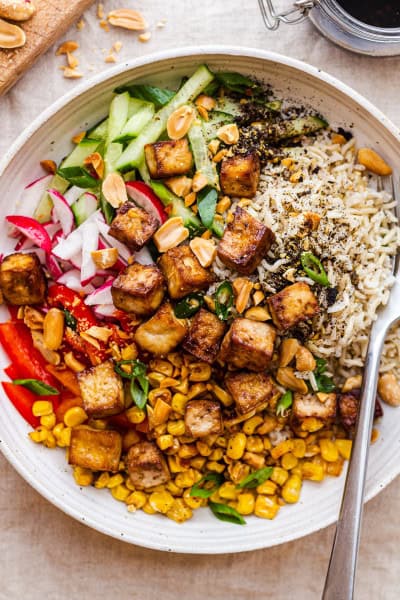
Easy Bang Bang Tofu Bowl The Sticky Sweet-Spicy Vegan Dinner

Crispy bang bang tofu tossed in sweet-spicy sauce over fluffy rice. The most-saved vegan bowl on Pinterest in May 2026 — ready in just 25 minutes!

Every once in a while, a recipe lands with such perfect timing that it almost feels inevitable. The bang bang tofu bowl appeared on food blogs in mid-May 2026, and within days it had become one of the most-saved recipes across Pinterest food boards. The reason is not complicated: it is crispy, it is sticky, it is sweet and spicy in exactly the right proportions, and it looks — with its glossy orange-red sauce and scattering of sesame seeds and spring onions — like something that should cost twice as much to eat out than it does to make at home.

The “bang bang” sauce originates from a classic Chinese dish traditionally made with sesame paste and chilli oil. In its Western restaurant adaptation, it became a sweet-spicy mayo-based sauce — and in this plant-based version, vegan mayonnaise, sriracha, and sweet chilli sauce combine into something that is genuinely, addictively good. Coating crispy tofu in it, then piling everything over steamed jasmine rice with fresh vegetables, creates a bowl that earns its own name.

Twenty-five minutes. One pan. One bowl. This is the vegan dinner that 320,000 people search for every month, and every single one of them makes it again.

Why Bang Bang Sauce Is Having Its Moment

The sweet-spicy flavour profile — what the food industry is calling “swicy” in 2026 — is one of the most dominant taste trends of the year. VegNews confirmed that “swicy” flavours are expanding across menus, products, and home cooking recipes globally. Bang bang sauce sits squarely at the centre of this trend: the sweetness from the sweet chilli sauce, the heat from the sriracha, and the creaminess of the vegan mayo create a sauce that is simultaneously bold and approachable.

It is also visually compelling. The orange-red glaze over golden, crispy tofu photographs beautifully — which is not a trivial consideration when a significant portion of recipe discovery happens on Pinterest and Instagram, where images drive clicks more than titles do.

Ingredients (Serves 4)

For the crispy tofu:

  • 400g extra-firm tofu, pressed 30 minutes minimum
  • 3 tablespoons cornstarch
  • 1 tablespoon soy sauce
  • 1 teaspoon garlic powder
  • 1 teaspoon smoked paprika
  • 2 tablespoons neutral oil

The bang bang sauce:

  • 5 tablespoons vegan mayonnaise
  • 3 tablespoons sweet chilli sauce
  • 2 tablespoons sriracha (adjust to heat preference)
  • 1 tablespoon rice vinegar
  • 1 teaspoon sesame oil
  • 1 garlic clove, finely grated
  • 1 teaspoon maple syrup
  • 1 tablespoon water (to loosen)

The bowl:

  • 400g jasmine rice, cooked
  • 2 Lebanese cucumbers, thinly sliced
  • 2 medium carrots, julienned or grated
  • 1 avocado, sliced
  • 150g shelled edamame (cooked from frozen)
  • 4 spring onions, thinly sliced
  • 2 tablespoons toasted sesame seeds
  • Fresh coriander and lime wedges to serve
  • Extra sriracha for serving

Method

Step 1: Press and Season the Tofu

Press the tofu thoroughly — at least 30 minutes between weighted tea towels, or use a tofu press. Cut into even cubes approximately 2cm. Toss with soy sauce and allow to marinate for five minutes. Dust generously with cornstarch, garlic powder, and smoked paprika, turning to coat all sides.

Step 2: Make the Bang Bang Sauce

Whisk together the vegan mayo, sweet chilli sauce, sriracha, rice vinegar, sesame oil, grated garlic, maple syrup, and water in a bowl until smooth. Taste — the sauce should be creamy, sweet, spicy, and slightly tangy. Add more sriracha for heat or more sweet chilli for sweetness. Set aside.

Step 3: Fry the Tofu

Heat the neutral oil in a wide non-stick pan or cast-iron skillet over high heat. Add the tofu in a single layer — work in batches if necessary to avoid overcrowding. Do not stir for three to four minutes. Allow each piece to develop a deep golden crust before turning. Cook for two to three minutes on each remaining side until all surfaces are crispy. Transfer to a plate.

Step 4: Glaze

Turn the heat to medium. Add two-thirds of the bang bang sauce to the pan. It will bubble immediately. Add the crispy tofu back and toss gently to coat every piece in the glossy sauce. Cook for 60 seconds until the sauce caramelises slightly around each piece. Remove from heat.

Step 5: Build the Bowls

Divide the cooked jasmine rice between four bowls. Arrange the glazed bang bang tofu, cucumber slices, grated carrot, avocado, and edamame around the rice. Drizzle the remaining bang bang sauce over everything. Scatter spring onions, sesame seeds, and fresh coriander. Add lime wedges and extra sriracha on the side.

The Science Behind Crispy Tofu

Getting tofu genuinely crispy in a home kitchen requires three non-negotiable conditions:

Dryness:

All surface moisture must be removed before the tofu hits the pan. Moisture creates steam, which prevents browning. Press thoroughly and pat dry just before seasoning.

Cornstarch coating:

The thin layer of starch creates a barrier between the tofu’s moisture and the hot oil, allowing the exterior to dry and form a crust while the interior remains soft. Without it, tofu browns unevenly.

High heat and patience:

The pan must be genuinely hot before the tofu goes in, and each piece must be left undisturbed long enough to develop a proper crust. Moving it too soon causes it to stick and tear. Three to four minutes of uninterrupted contact with the hot pan is what produces the golden crust.

Sauce Variations

The bang bang sauce template is infinitely adaptable:

Mango bang bang: Add two tablespoons of mango purée to the sauce for a tropical sweetness that reduces the need for sweet chilli sauce.

Gochujang bang bang: Replace sriracha with gochujang for a deeper, fermented heat with complex umami notes.

Peanut bang bang: Add one tablespoon of natural peanut butter to the sauce — it thickens it and adds a nutty dimension that pairs beautifully with the tofu.

Lime and coconut: Replace the mayo with thick coconut cream and add extra lime juice for a lighter, dairy-free variation.

Meal Prep Notes

This bowl is excellent for meal prep with one important consideration: the tofu loses its crispiness within a few hours of being glazed. For meal prep, store the unglazed crispy tofu separately from the sauce, rice, and vegetables..

All other components keep refrigerated for up to four days.

Nutritional Value

Each serving of this bowl provides approximately 25 grams of protein from the tofu and edamame, complex carbohydrates from the jasmine rice, healthy fats from the avocado, and a broad spectrum of vitamins and minerals from the fresh vegetables. Sesame seeds add calcium, zinc, and healthy polyunsaturated fats. The garlic in the sauce provides allicin — a compound with antimicrobial and anti-inflammatory properties.

FAQ

Can I air-fry the tofu? Yes — air-frying produces excellent results with less oil. Toss the cornstarch-coated tofu with one tablespoon of oil and air-fry at 200°C for 15 to 18 minutes, shaking halfway.

Is this recipe gluten-free? Use tamari instead of soy sauce and verify that your sweet chilli sauce and sriracha are gluten-free. All other ingredients are naturally gluten-free.

Can I use another protein? Yes — tempeh, chickpeas, or cauliflower all work well with the bang bang sauce and cornstarch-fry method.

Final Thoughts

The bang bang tofu bowl is one of those rare recipes that genuinely delivers on its visual promise. What looks impressive in a photograph tastes even better on the fork.


Discover more trending plant-based bowl recipes in our Website.

Vegan Lasagna Soup – Ready in 30 Minutes

This vegan version has quietly become one of the most searched plant-based recipes in 2026. And honestly? Once you make it, the reason is obvious. All the things that make lasagna great — the rich tomato sauce, the pillowy pasta, the creamy, cheesy filling — are present in this bowl. The difference is that it takes thirty-five minutes, uses one pot , and requires no layering, no bechamel, and no patience.

The tofu ricotta is the masterstroke. Blended silken tofu with lemon, nutritional yeast, and fresh basil produces a spoonfuls-in-the-soup creaminess that sits beautifully in the tomato broth and carries every bite from good to genuinely extraordinary.

Why This Recipe Is Dominating Google Right Now

Vegan lasagna cracked Google. The reason is simple: lasagna is one of the most universally beloved comfort foods, and the soup format removes every barrier that makes the original feel like a weekend-only project.

The Tofu Ricotta: Why It Works

Traditional lasagna ricotta does three things: it adds creaminess, provides protein, and introduces a mild, slightly tangy dairy flavour that balances the richness of the tomato sauce. Silken tofu replicates all three correctly.

The key is blending it smooth. Smooth silken tofu, combined with nutritional yeast for depth, lemon juice for tang, and fresh basil for fragrance, produces a ricotta-style filling that drops into the soup in spoonfuls and melts slowly into the broth.

Ingredients

For the soup base:

  • 300g lasagna sheets, broken into rough 4–5cm pieces
  • 2 cans (800g) crushed or chopped tomatoes
  • 1 can (400g) tomato passata
  • 700ml vegetable stock
  • 1 medium onion, finely diced
  • 6 garlic cloves, minced
  • 2 medium carrots, finely diced
  • 2 stalks celery, finely diced
  • 150g brown or green lentils (or 1 can, drained)
  • 2 tablespoons olive oil
  • 2 tablespoons tomato paste
  • 1 teaspoon dried oregano
  • 1 teaspoon dried basil
  • 1 teaspoon smoked paprika
  • ½ teaspoon chilli flakes (optional)
  • 1 teaspoon coconut sugar or caster sugar
  • Salt and black pepper to taste
  • A large handful of fresh basil or spinach to finish

For the tofu ricotta:

  • 400g silken tofu, drained
  • 3 tablespoons nutritional yeast
  • 2 tablespoons lemon juice
  • 1 tablespoon olive oil
  • 1 garlic clove, minced
  • A handful of fresh basil
  • ½ teaspoon salt
  • Black pepper to taste

Step 1: Make the Tofu Ricotta First

Place all ricotta ingredients into a blender or food processor. Blend until completely smooth and creamy — this takes about 60 seconds. Taste and adjust salt, lemon, and nutritional yeast. The mixture should be rich, slightly tangy, and fragrant with basil. Transfer to a bowl, cover, and refrigerate while you build the soup. Cold tofu ricotta dropped into hot soup creates the best textural contrast.

Step 2: Build the Soffritto

Heat the olive oil in a large, deep pot over medium heat. Add the diced onion, carrots, and celery with a generous pinch of salt. Cook for 10 minutes, stirring occasionally, until the vegetables are softened and the onion is turning golden. Add the garlic and cook for two more minutes.

Step 3: Add Tomatoes and Spices

Add the tomato paste and stir for two minutes, allowing it to caramelise slightly. Add the dried oregano, basil, smoked paprika, and chilli flakes. Stir for one minute to bloom the spices. Pour in the crushed tomatoes and passata. Stir well and simmer for five minutes.

Step 4: Add Stock, Lentils, and Pasta

Add the vegetable stock and lentils. Bring to a boil, then reduce to a steady simmer. If using dried lentils, add them now and simmer for 15 minutes before adding the pasta. If using canned lentils, add them at the same time as the pasta.

Break the lasagna sheets into rough 4–5cm pieces over the pot. Stir well to prevent sticking. Simmer for 10 to 12 minutes, stirring occasionally, until the pasta is just al dente. The soup will thicken considerably as the pasta releases its starch — add a splash of additional stock if it becomes thicker than you prefer.

Step 5: Finish and Serve

Add the coconut sugar and season generously with salt and black pepper. Stir in the fresh basil or spinach — it will wilt immediately in the hot soup. Remove from heat.

Ladle into deep, warmed bowls. Drop generous spoonfuls of the cold tofu ricotta onto the surface of each bowl — two to three large spoonfuls per serving. The contrast between the hot soup and the cold, creamy ricotta is part of what makes this dish extraordinary. Finish with a drizzle of olive oil, extra fresh basil, and chilli flakes.

The Pasta Timing Problem (And How to Solve It)

Pasta in soup is genuinely problematic for meal prep and storage: it continues absorbing liquid and becomes soft and bloated if left in the soup overnight. There are two solutions:

Option A (Recommended for meal prep): Cook the pasta separately and store it apart from the soup base. Combine per portion at the time of reheating. This maintains perfect pasta texture across four to five days of storage.

Option B: Slightly undercook the pasta in the soup pull it off heat when it is still firmly al dente. The residual heat and overnight resting will bring it to the right texture by the following day.

Nutritional Highlights

This soup is a complete meal in a bowl. Lentils provide approximately 18 grams of protein per serving alongside significant amounts of iron and folate. Tofu ricotta contributes additional plant protein and calcium. The tomato base is rich in lycopene — a carotenoid antioxidant most bioavailable in cooked tomatoes — and the olive oil aids its absorption. Fresh basil contributes vitamin K and anti-inflammatory volatile compounds.

Per serving: approximately 420 calories, 22g protein, 14g fibre.

FAQ

Can I make this gluten-free? Yes — use gluten-free lasagna sheets or replace with rice pasta. The texture will be slightly different and delicious.

Can I freeze it? Freeze the soup base (without pasta and without tofu ricotta) for up to three months. Make fresh pasta and ricotta.

What can I substitute for silken tofu? Blended cannellini beans with nutritional yeast and lemon produce a similar creamy result. The flavour is slightly earthier and works well.

Storage

Refrigerate the soup base (without pasta) for up to four days. Cook fresh pasta per serving or store separately. The tofu ricotta keeps refrigerated in a sealed jar for three days.

Final Thoughts

The vegan lasagna soup is, in the truest sense, a recipe for our current moment: nostalgic in flavour, modern in format, simple in technique, and extraordinary in result. It delivers everything lasagna promises without any of the effort it usually demands. Make it once, and you will understand exactly why 480,000 people search for it every month.


Find more one-pot vegan dinners and trending plant-based recipes in our Website.