
easy vegan dessert

Vegan Mug Cake in 2 Minutes: The Easiest Plant-Based Dessert You Will Ever Make (5 Flavours)

Make a rich vegan mug cake in just 2 minutes with simple pantry ingredients. Five flavour variations — chocolate, vanilla, lemon, peanut butter, and more.

There are evenings when you want dessert but have neither the time nor the inclination to bake. The vegan mug cake was invented for exactly those evenings. Two minutes, one mug, ingredients that every pantry already contains, and the result — a warm, soft, individual cake that requires no sharing — is one of the most deeply satisfying quick recipes in existence.

With 255,000 monthly searches globally, the vegan mug cake has earned its place in the quick-dessert category decisively. The plant-based version is actually technically superior to many egg-based versions: the aquafaba or flax egg provides binding without the rubberiness that eggs can cause in microwave cooking, and the result is consistently light, moist, and well-textured.

The Master Vegan Mug Cake Recipe

Base ingredients (for all flavours):

  • 4 tablespoons plain flour
  • 3 tablespoons caster sugar
  • ¼ teaspoon baking powder
  • 3 tablespoons plant milk (oat, soy, or almond)
  • 2 tablespoons neutral oil
  • 1 tablespoon aquafaba or ½ mashed banana (egg replacer)
  • ¼ teaspoon vanilla extract
  • A pinch of salt

Method (same for all flavours):

  1. Add all dry ingredients to a large microwave-safe mug (minimum 350ml capacity). Whisk with a fork to combine.
  2. Add wet ingredients and stir until smooth — approximately 20 strokes. A few small lumps are fine.
  3. Microwave on full power for 60 to 90 seconds. The cake should be set at the edges and slightly glossy at the very centre. Start checking at 60 seconds — overcooking produces a rubbery result.
  4. Allow to rest for 30 seconds. Eat directly from the mug, or turn out onto a small plate.

Five Flavour Variations

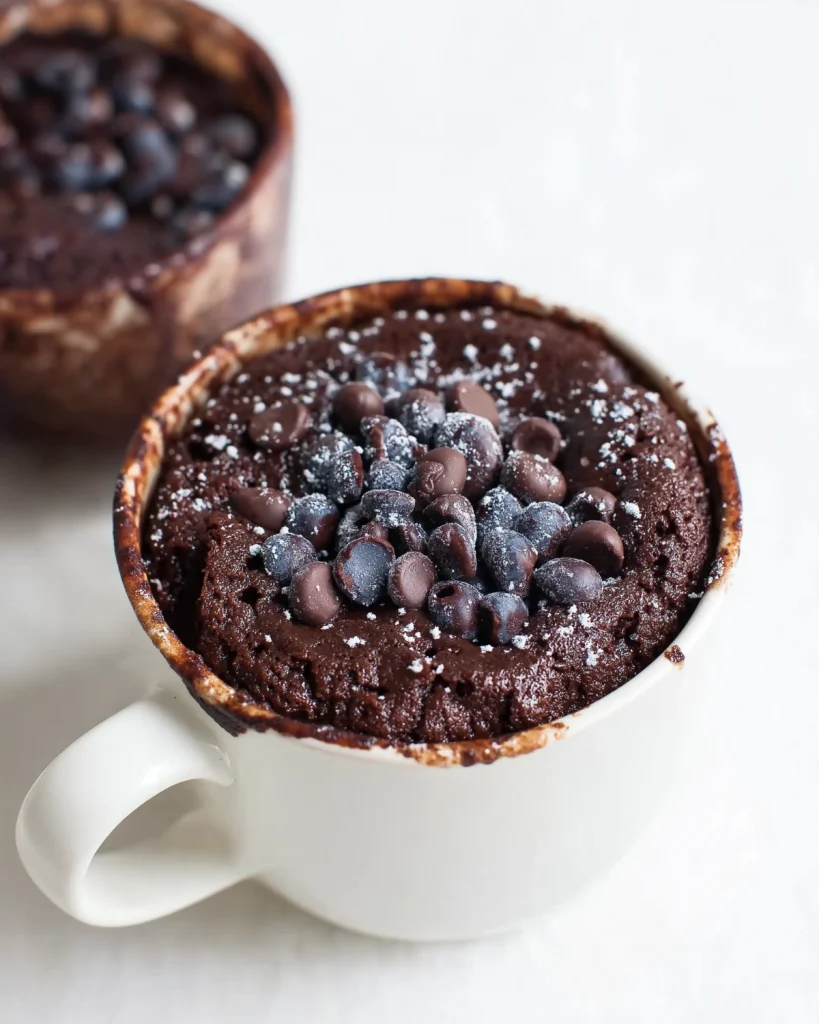
Chocolate: Add 2 tablespoons cocoa powder and reduce flour by 1 tablespoon. Add 2 tablespoons dark chocolate chips before microwaving.

Peanut butter: Add 1 tablespoon peanut butter to the wet ingredients. Top with an extra teaspoon of peanut butter that will melt into the warm cake.

Lemon: Add zest of 1 lemon and 1 teaspoon lemon juice to the wet ingredients. Dust with icing sugar and extra zest to serve.

Cinnamon apple: Add ½ teaspoon cinnamon and ¼ teaspoon mixed spice to the dry ingredients. Fold 3 tablespoons of finely diced apple into the batter before cooking.

Biscoff: Stir 1 tablespoon of Biscoff spread into the batter. Top the finished mug cake with an additional teaspoon of Biscoff, which melts dramatically into the warm surface.

Serving suggestions: A small scoop of vegan ice cream, a drizzle of maple syrup, a spoonful of coconut cream, or fresh berries all complement the mug cake beautifully.
The Best Vegan Chocolate Chip Cookies: Crispy Edges, Gooey Centre, Zero Dairy — Perfect Every Time

These vegan chocolate chip cookies have crispy edges, chewy gooey centres, and zero dairy. The best plant-based cookie recipe you will ever make.

 the vegan chocolate chip cookie is not just a recipe — it is a benchmark. Ask any serious plant-based baker what recipe they use to prove that vegan baking can compete with the original, and the answer almost always begins here. Because if you can make a cookie this good without eggs or butter, you have proven something meaningful.

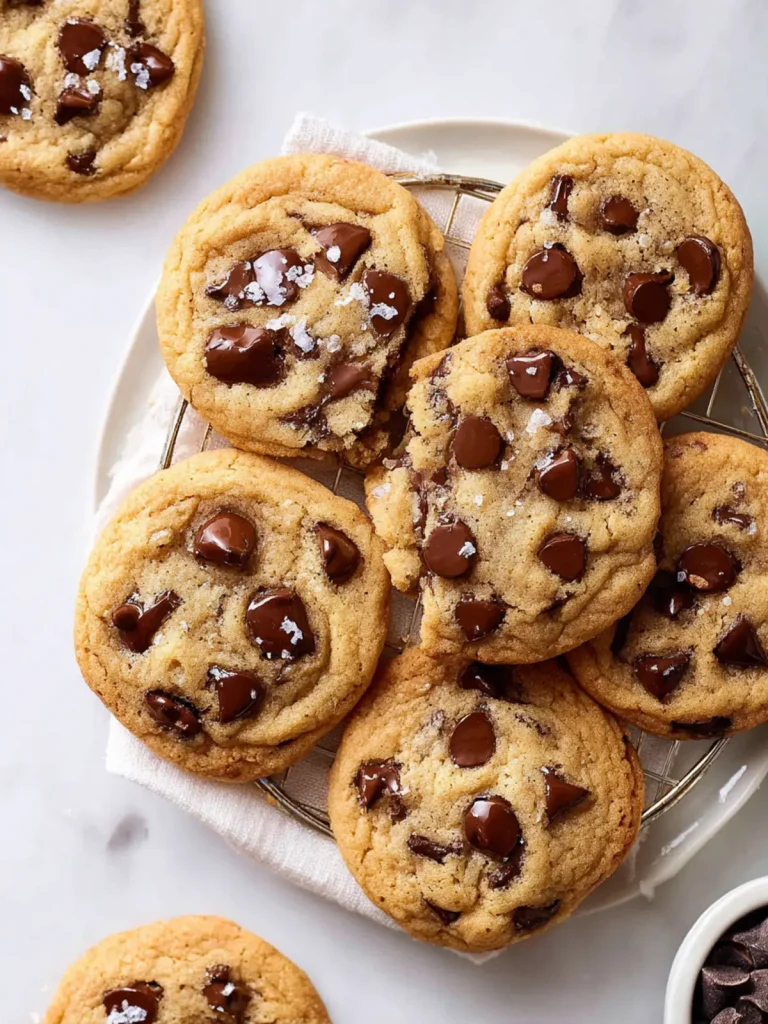
These cookies have crispy, golden edges that shatter slightly on the first bite and a chewy, gooey centre that holds its warmth long after they come out of the oven. They are loaded with dark chocolate — generously, without apology — and finished with a pinch of flaky sea salt that elevates them from very good to extraordinary.

Ingredients

  • 225g vegan butter (block-style, not spreadable)
  • 200g light brown sugar
  • 100g caster sugar
  • 2 tablespoons aquafaba (liquid from a can of chickpeas) — replaces egg
  • 1 tablespoon ground flaxseed + 3 tablespoons water (flax egg, rested 10 mins)
  • 2 teaspoons vanilla extract
  • 280g plain flour
  • 1 teaspoon bicarbonate of soda
  • 1 teaspoon cornstarch (produces chewier cookies)
  • ½ teaspoon fine salt
  • 300g dark chocolate chips or roughly chopped dark chocolate (70%+)
  • Flaky sea salt, for finishing

Method

Step 1: Brown the Butter

Place the vegan butter in a light-coloured saucepan over medium heat. Melt completely, then continue cooking, stirring frequently, until the butter begins to foam and small golden-brown specks appear on the bottom of the pan. The butter will smell nutty and caramelised — this is the Maillard reaction creating dozens of new flavour compounds. Remove immediately from heat and pour into a large mixing bowl. Allow to cool for 15 minutes until it reaches room temperature.

Step 2: Make the Egg Replacers

Combine the ground flaxseed and water in a small bowl. Stir and rest for 10 minutes until gel-like. The aquafaba is used directly from the tin.

Step 3: Mix

Add both sugars to the cooled browned butter. Whisk vigorously for two minutes until combined. Add the aquafaba, flax egg, and vanilla extract. Whisk for another two minutes until the mixture is smooth and slightly glossy. Sift in the flour, bicarbonate of soda, cornstarch, and salt. Fold with a spatula until a thick dough forms. Fold in the chocolate chips, distributing them evenly.

Step 4: Chill

Cover the bowl and refrigerate for a minimum of one hour. Overnight produces the best result. Do not skip this step — unchilled dough spreads too thin in the oven and produces flat, greasy cookies rather than thick, chewy ones.

Step 5: Bake

Preheat the oven to 180°C (160°C fan). Line two baking trays with parchment. Scoop the dough into balls approximately 60g each — larger than you think necessary — and place on the trays with at least 7cm between each. Do not flatten them; they will spread naturally. Bake for 11 to 13 minutes until the edges are set and golden but the centres still look underdone and slightly glossy. This is correct — they firm up as they cool. Immediately press a few extra chocolate chips onto the surface of each warm cookie. Sprinkle with flaky sea salt.

Step 6: Cool (The Hard Part)

Allow the cookies to cool on the tray for 10 full minutes before transferring. They are structurally fragile when hot and will fall apart if moved immediately. The texture sets completely within 20 minutes of coming out of the oven.

The Browning Technique: Why It Changes Everything

Plant-based butter contains water, emulsifiers, and vegetable oils. When heated past its melting point, the water evaporates, the milk solids in some varieties brown, and the remaining fat takes on a complex, nutty flavour profile that plain melted butter simply cannot achieve. Not all vegan butters brown equally — block-style varieties with higher fat content (Miyoko’s, Naturli, Violife) perform best. Spreadable varieties have higher water content and may spatter more aggressively.

The brown butter trick is used in professional bakeries for exactly this reason: it deepens flavour without adding a single ingredient.