
vegan curry recipe

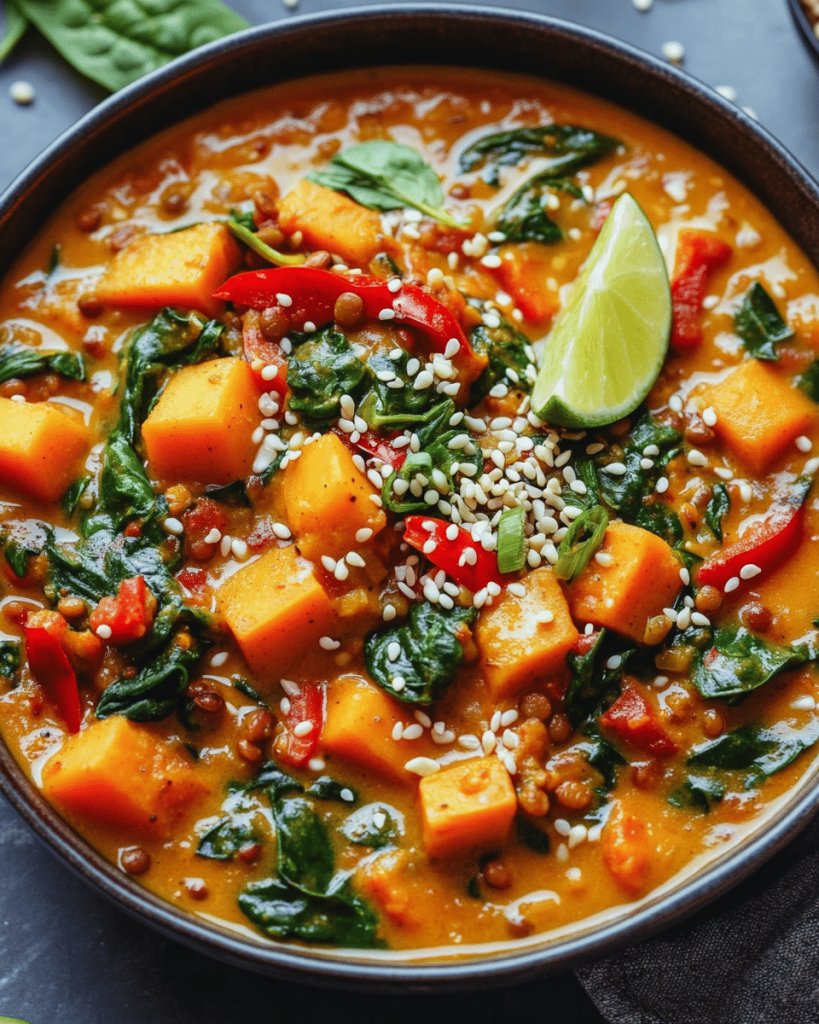
Golden Sweet Potato and Spinach Curry: Simple, Nourishing, and Deeply Satisfying

Some recipes become staples not because they are showstoppers, but because they are reliable. They fit into real life — they use affordable, available ingredients, they come together without drama, and they consistently produce something that makes dinner feel taken care of. This sweet potato and spinach curry is that kind of recipe.

It is golden in colour from turmeric and ginger, warming from the blend of spices, naturally sweet from the sweet potato, and made creamy by the coconut milk that brings the whole thing together. It is the kind of curry that makes you reach for more rice because the sauce demands it. It is also, importantly, completely one-pot — which means cleanup is as uncomplicated as the cooking.

I have made this curry for people who avoid curry, for people who are sceptical of vegan food, and for people who are simply hungry on a Tuesday evening and needed something good. It has never let me down.

Why Sweet Potato Works So Well in Curry

Sweet potato is not a traditional curry ingredient across most South Asian cooking traditions, but it earns its place here through its flavour logic. Its natural sweetness provides a counterpoint to the heat and spice of the sauce. Its starchy flesh absorbs the surrounding curry base as it cooks, carrying those flavours deep into each piece. And its vibrant orange colour, set against the golden sauce and dark spinach, makes the dish visually striking before anyone has tasted it.

For the best result, dice the sweet potato into uniform pieces of approximately 2cm. This ensures even cooking — pieces that are too small will dissolve into the sauce, while pieces that are too large will remain firm when the rest of the dish is ready.

Ingredients (Serves 4)

  • 2 large sweet potatoes (approximately 800g), peeled and diced into 2cm cubes
  • 200g baby spinach (or regular spinach, roughly chopped)
  • 1 can (400ml) full-fat coconut milk
  • 1 can (400g) chopped tomatoes
  • 1 medium onion, finely diced
  • 5 garlic cloves, minced
  • 2 tablespoons fresh ginger, grated
  • 2 tablespoons neutral oil
  • 1½ teaspoons ground cumin
  • 1½ teaspoons ground coriander
  • 1½ teaspoons turmeric
  • 1 teaspoon garam masala
  • 1 teaspoon smoked paprika
  • ½ to 1 teaspoon chilli powder (to taste)
  • 1 teaspoon salt, plus more to taste
  • 200ml vegetable stock
  • Juice of ½ lemon

To serve: Basmati rice or naan, fresh coriander, yoghurt alternative, mango chutney

Method

Step 1: Cook the Aromatics

Heat the oil in a large, deep pan or casserole over medium heat. Add the diced onion and a pinch of salt. Cook for 8 to 10 minutes, stirring occasionally, until the onion is soft, golden, and beginning to caramelise — do not rush this step. Add the garlic and ginger and cook for two more minutes.

Step 2: Add the Spices

Add the cumin, coriander, turmeric, smoked paprika, and chilli powder. Stir constantly for 90 seconds to bloom the spices. The mixture will look dry and paste-like — this is correct. The spices need direct contact with the heat to release their essential oils.

Step 3: Add Tomatoes and Sweet Potato

Pour in the chopped tomatoes and stir well, scraping any spices from the bottom of the pan. Add the diced sweet potato and vegetable stock. Stir to combine. Bring to a boil, then reduce to a steady simmer. Cook for 15 to 18 minutes until the sweet potato is tender when pierced with a knife but still holding its shape.

Step 4: Add Coconut Milk and Spinach

Pour in the coconut milk and stir. Simmer for five more minutes. Add the baby spinach in large handfuls, stirring after each addition until wilted. The spinach will reduce dramatically in volume. Add the garam masala, lemon juice, and additional salt to taste.

Step 5: Serve

Serve over fluffy basmati rice or with warm naan. Top with fresh coriander, a dollop of vegan yoghurt or coconut yoghurt, and mango chutney if desired.

The Importance of Garam Masala at the End

Garam masala is a fragrant, complex blend of warm spices — typically including cardamom, cloves, cinnamon, and black pepper — and it behaves differently from other spices in cooking. While base spices like cumin and coriander benefit from long cooking and blooming in hot oil, garam masala is most fragrant when added at the very end of cooking. The heat of the dish is sufficient to activate it without the prolonged cooking that would diminish its delicate floral notes.

This distinction makes a meaningful difference to the final flavour of the curry. Add it too early and it becomes background noise; add it at the end and it perfumes the entire dish.

Nutrition

This curry is a nutritional standout even within the context of plant-based cooking. Sweet potato provides extraordinary amounts of beta-carotene — more than almost any other food — along with vitamin C, potassium, and dietary fibre. Spinach contributes iron, vitamin K, folate, and antioxidants including lutein and zeaxanthin, which support eye health.

Turmeric deserves particular mention. Its active compound, curcumin, has been extensively studied for its anti-inflammatory properties. The fat in coconut milk helps the body absorb curcumin more effectively — another example of how traditional spiced cooking demonstrates an intuitive nutritional wisdom.

Together, this curry provides a substantial and well-balanced meal that genuinely supports health rather than simply avoiding harm.

Make-Ahead

This curry is an excellent candidate for batch cooking. Prepare a double quantity on a Sunday evening and refrigerate in portions — it reheats beautifully and the flavours continue to improve over the following two to three days. Freeze in sealed containers for up to three months.

When reheating, add a small splash of vegetable stock or water to loosen the sauce, which will have thickened considerably in the refrigerator.

Variations

Add protein: Stir in a can of drained chickpeas or white beans alongside the sweet potato for additional protein and fibre.

Make it richer: Replace 100ml of vegetable stock with an additional half can of coconut milk for an even more indulgent sauce.

Add heat: A finely diced fresh green chilli added with the aromatics, or a swirl of chilli oil at the end, increases the heat considerably.

Use pumpkin: Butternut squash or pumpkin can replace the sweet potato with equally excellent results.

Final Thoughts

A curry should feel like it was made with care, and this one does. It has the warmth and depth of something that has been simmering on a stove all afternoon, even though it takes forty minutes from start to finish. It fills the kitchen with one of the best smells imaginable. And it produces the kind of dinner that people remember and ask you to make again.

That is all a recipe needs to be.


Explore more warming plant-based meals in our Website.
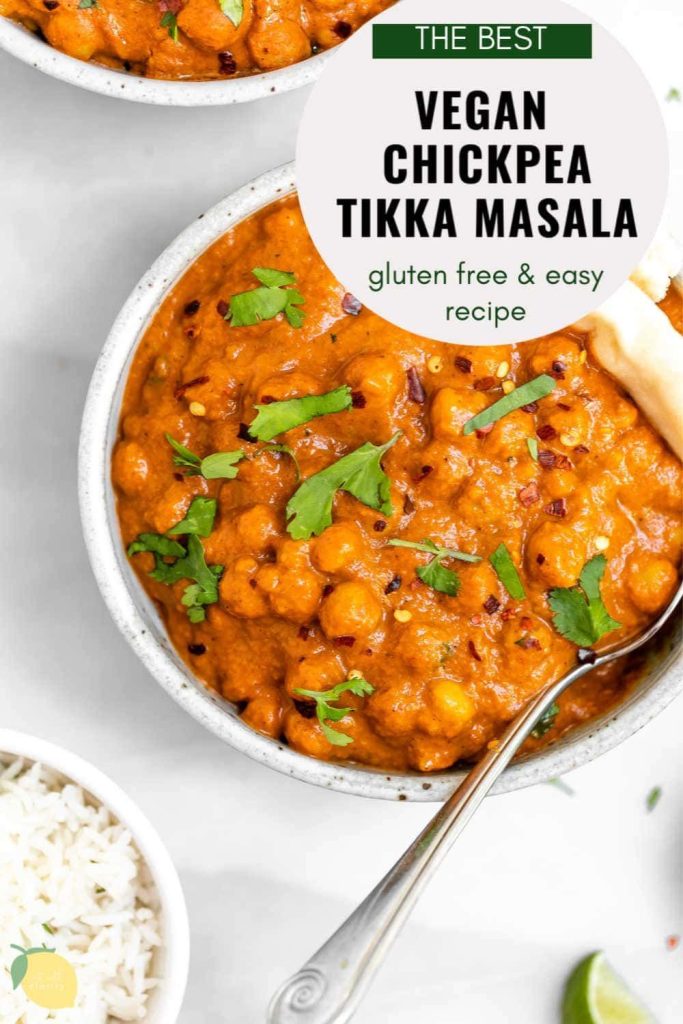
Creamy Chickpea Tikka Masala: A Plant-Based Twist on a Beloved Classic

There are some dishes that feel like a warm embrace — the kind of meal that makes you slow down, take a breath, and remember that cooking can be one of the most grounding things a person does. Tikka masala is one of those dishes for me. Rich, fragrant, deeply spiced, and finished with a sauce that you will want to mop up with everything in reach, it has long been a favourite in households across the world.

This version swaps the traditional chicken for chickpeas — not as a compromise, but as a genuine upgrade. Chickpeas carry spice beautifully. They have a natural earthiness that pairs wonderfully with the tomato-based sauce, and their firm texture means they hold up through the simmering process without turning to mush. The result is a bowl of food that is satisfying in every sense of the word.

What I love most about this recipe is that it is genuinely achievable on a weeknight. If you keep a few key spices in your pantry and most home cooks do the shopping list is short and the active cooking time is under forty minutes. Yet the flavour suggests something far more laboured. That is the beauty of spices used well.

Understanding the Flavour Base

Before we get into the recipe itself, it is worth talking briefly about what makes a tikka masala sauce taste the way it does because understanding the flavour logic makes you a better cook, not just a better recipe-follower.

The foundation is a deeply cooked onion and tomato base. When you take the time to cook the onions low and slow until they are genuinely golden not merely translucent you develop a natural sweetness and depth that no amount of seasoning can replicate. This step is the most important in the recipe, and it is also the one most people rush. Give it time.

From there, the spice blend does the work. Cumin, coriander, garam masala, turmeric, and smoked paprika come together to create that unmistakable warmth. A generous amount of ginger and garlic rounds out the aromatics. The final touch a swirl of coconut cream softens the edges of the sauce and gives it that distinctive, velvety finish.

Ingredients (Serves 4)

  • 2 cans (800g) chickpeas, drained and rinsed
  • 1 can (400g) chopped tomatoes
  • 1 can (400ml) coconut cream
  • 2 medium onions, finely diced
  • 6 garlic cloves, minced
  • 2 tablespoons fresh ginger, grated
  • 3 tablespoons tomato paste
  • 2 tablespoons neutral oil (such as sunflower or coconut)
  • 1½ teaspoons cumin seeds
  • 1½ teaspoons ground coriander
  • 1 teaspoon turmeric
  • 1 teaspoon smoked paprika
  • 1½ teaspoons garam masala
  • 1 teaspoon chilli powder (adjust to taste)
  • 1½ teaspoons salt, or to taste
  • 1 teaspoon sugar (optional, to balance acidity)
  • Fresh coriander, to serve
  • Basmati rice or naan bread, to serve

Method

Step 1: Build the Base

Heat the oil in a wide, heavy-bottomed pan over medium heat. Add the cumin seeds and let them sizzle for about thirty seconds — you will know they are ready when they begin to pop and release their aroma. Add the diced onions and a pinch of salt. Cook over medium-low heat for 12 to 15 minutes, stirring occasionally, until the onions are deeply golden and beginning to caramelise. This patience is rewarded later in the depth of the sauce.

Step 2: Add Aromatics and Spices

Stir in the garlic and ginger and cook for two minutes. Add the tomato paste and cook for another two minutes, stirring constantly — this brief caramelisation of the paste removes its raw edge and adds another layer of flavour. Now add the ground coriander, turmeric, smoked paprika, and chilli powder. Stir everything together and cook for one minute, letting the spices bloom in the residual oil.

Step 3: Build the Sauce

Pour in the chopped tomatoes and stir well, scraping any caramelised bits from the bottom of the pan. Simmer for 10 minutes, allowing the tomatoes to break down and the sauce to reduce. If you prefer a smoother sauce, use an immersion blender at this point to partially blend it — leaving some texture is perfectly fine too.

Step 4: Add the Chickpeas and Coconut Cream

Add the drained chickpeas and stir to coat them in the sauce. Pour in the coconut cream, reduce the heat to low, and simmer gently for 15 minutes. The sauce will thicken and deepen in colour. Add the garam masala and taste for salt. If the sauce tastes sharp or overly acidic, a small pinch of sugar will balance it beautifully.

Step 5: Rest and Serve

Remove from heat and allow the dish to rest for five minutes before serving. This brief resting time allows the flavours to settle. Serve over fluffy basmati rice or alongside warm naan bread, and finish with a generous handful of fresh coriander.

Why This Works for the Whole Family

One of the most common hesitations around plant-based cooking is the question of whether it will satisfy everyone at the table — particularly those who are accustomed to meat-centred meals. This tikka masala addresses that concern directly. Chickpeas are a meaningful source of plant-based protein and dietary fibre, which means this dish is genuinely filling rather than a lighter, compromise version of something else.

Each serving provides approximately 18 grams of protein from the chickpeas alone, alongside iron, folate, and complex carbohydrates from the legumes. The coconut cream contributes healthy fats that support nutrient absorption from the spices — particularly the curcumin in turmeric, which requires fat to be properly absorbed by the body.

Customising the Recipe

This recipe is forgiving and highly adaptable. Here are a few variations worth exploring:

Add vegetables: Spinach, diced sweet potato, or cauliflower florets all work beautifully in this sauce. Add firmer vegetables at the same time as the chickpeas, and stir spinach in during the last two minutes of cooking.

Adjust the heat: The chilli powder quantity in this recipe creates a mild-to-medium heat. Increase it for a spicier result, or replace it entirely with a sweet paprika for a family-friendly version that still has full flavour.

Storing and Reheating.

Store leftovers in an airtight container in the refrigerator for up to four days. The sauce thickens considerably once chilled, so add a small splash of water when reheating. It also freezes exceptionally well — portion it into freezer-safe containers and freeze for up to three months. Defrost overnight in the refrigerator before reheating gently on the stovetop.

A Dish That Brings People Together

Use canned coconut milk instead of cream: Coconut milk will produce a lighter, thinner sauce. Both work well — the choice depends on how rich you want the final dish to be.

Make it ahead: Tikka masala is one of those dishes that genuinely improves overnight. The spices continue to develop, the sauce thickens slightly, and the chickpeas absorb more of the surrounding flavour. Make a double batch and refrigerate for up to four days.

There is something quietly special about a recipe that crosses dietary lines so gracefully. Guests who eat meat rarely notice the absence of it in this dish. What they notice instead is the sauce — its depth, its warmth, its balance. That is the mark of good cooking regardless of what is or is not in the pot.

This chickpea tikka masala has found its way onto my table more times than I can count, and it has become the kind of recipe I return to not because I have to, but because I genuinely want to. I hope it does the same for you.

Serve it to someone you love, or simply make it for yourself on a Tuesday evening when you need something that tastes like effort but takes very little of it. Either way, it will not disappoint.


Looking for more plant-based dinner ideas? Explore our full collection of vegan recipes in the Health & Lifestyle section.