
vegan finger food

Fresh Mango and Avocado Summer Rolls with Peanut Dipping Sauce

There is a category of food that exists at the intersection of beautiful and delicious — food that looks like someone spent a great deal of time on it when they actually did not, and that tastes light and vibrant and like something you want to eat slowly. Vietnamese-style fresh summer rolls sit squarely in that category.

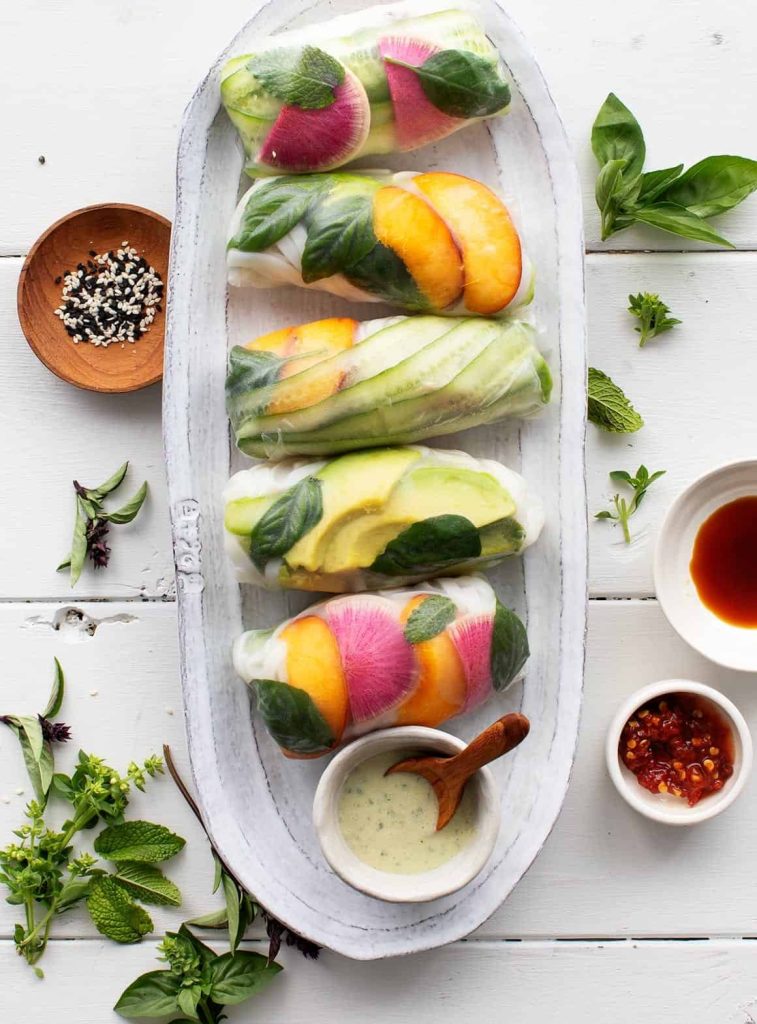
These mango and avocado summer rolls are raw, refreshing, and visually striking. The rice paper wrapper is translucent, allowing the vivid colours of the filling — the warm orange of the mango, the pale green of the avocado, the deep purple of the red cabbage — to show through like stained glass. They are the kind of dish that gets photographed before it gets eaten, and that still tastes excellent once the photography is done.

The peanut dipping sauce is the companion these rolls deserve: rich, slightly spicy, and assertive enough to complement the delicate filling without overwhelming it.

A Note on Rice Paper Wrappers

Rice paper wrappers require a brief soak in warm water to become pliable — typically 15 to 20 seconds in water that is warm but not boiling. Under-soaked wrappers are brittle and crack during rolling. Over-soaked wrappers become sticky and tear. The ideal is a wrapper that is just pliable — still slightly stiff when removed from the water, finishing its softening process as you lay it flat and begin filling it.

The technique is learned rather than read, and the first roll is almost always the least elegant. By the fourth, you will have found your rhythm.

Ingredients (Makes 10–12 rolls)

For the rolls:

  • 10–12 round rice paper wrappers (22cm diameter)
  • 2 ripe mangoes, peeled and julienned or thinly sliced
  • 2 ripe avocados, sliced
  • ½ head red cabbage, very finely shredded
  • 2 medium carrots, julienned or grated
  • 1 cucumber, julienned (seeds removed)
  • 100g rice vermicelli noodles, cooked and cooled
  • A large handful of fresh mint leaves
  • A large handful of fresh coriander
  • A large handful of fresh Thai basil (optional but excellent)
  • 1 red chilli, thinly sliced (optional)
  • 1 lime, for squeezing

For the peanut dipping sauce:

  • 4 tablespoons natural peanut butter
  • 2 tablespoons soy sauce or tamari
  • 2 tablespoons fresh lime juice
  • 1 tablespoon maple syrup or coconut sugar
  • 1 tablespoon rice vinegar
  • 1 teaspoon sesame oil
  • 2 garlic cloves, finely grated
  • 1 teaspoon fresh ginger, grated
  • 1 teaspoon chilli sauce or sambal oelek
  • 4–6 tablespoons warm water (to thin)

Method

Step 1: Prepare All Fillings

Before you begin rolling, have every element of the filling prepared, organised, and within reach. Once you start working with a soaked rice paper wrapper, speed matters — you want to fill and roll without stopping to chop or prepare. Set out the mango, avocado, cabbage, carrot, cucumber, noodles, and herbs in small portions on a large chopping board or tray.

Step 2: Make the Peanut Sauce

In a bowl, whisk together the peanut butter, soy sauce, lime juice, maple syrup, rice vinegar, sesame oil, garlic, ginger, and chilli sauce. Add warm water, one tablespoon at a time, until the sauce is smooth and pourable. It should coat the back of a spoon but flow freely when lifted. Taste and adjust — more lime if it needs brightness, more soy if flat, more maple syrup if too sharp. Set aside.

Step 3: Soak and Roll

Fill a large, shallow bowl or roasting tray with warm water. Submerge a rice paper wrapper for 15 to 20 seconds until just pliable. Remove carefully and lay flat on a clean, damp surface (a slightly damp tea towel or silicone mat works well — not a dry chopping board, which causes sticking).

Layer the fillings in the lower third of the wrapper: a small bundle of vermicelli noodles, a few slices of mango and avocado, a pinch of shredded cabbage and carrot, a few sticks of cucumber, mint leaves, coriander, and Thai basil. Do not overfill — the roll should close comfortably.

Fold the bottom of the wrapper up over the filling. Fold in the two sides. Roll forward firmly but gently until you have a neat cylinder. The rice paper will stick to itself. Place seam-side down on a plate. Repeat with remaining wrappers.

Step 4: Serve

Serve immediately with the peanut dipping sauce. If making ahead, lay the rolls on a parchment-lined tray, cover with a damp tea towel, and refrigerate for up to three hours. Beyond that, the wrappers begin to dry and crack.

Filling Variations

Summer rolls are one of the most adaptable preparations in any kitchen. Once you are comfortable with the technique, the filling becomes an exercise in creativity:

Tropical: Papaya, pineapple, and coconut strips with fresh mint and lime zest.

Protein-rich: Add strips of marinated and pan-fried tofu or tempeh alongside the vegetables.

Korean-inspired: Replace the peanut sauce with a gochujang-soy dipping sauce. Add kimchi, thinly sliced cucumber, and sesame seeds to the filling.

Mediterranean: Fill with hummus, roasted red peppers, cucumber, olives, and fresh parsley. Serve with a tahini dipping sauce.

Nutrition

Fresh summer rolls are among the most nutritionally efficient handheld foods available. Each roll provides a meaningful portion of vitamins A and C from the vegetables, healthy monounsaturated fats from the avocado, and plant-based protein and healthy fats from the peanut sauce. Mango contributes beta-carotene, vitamin C, and natural sugars for immediate energy.

Rice paper wrappers are naturally gluten-free, low in calories, and easy to digest. This makes these rolls a genuinely accessible option for those managing a range of dietary requirements.

A Final Note

What I love most about this recipe is the moment of assembly — the meditative repetition of soaking, filling, rolling. It is the kind of cooking that slows you down in the best way, requiring enough attention to pull you fully into the present moment.

Make these for a summer lunch, a light dinner, or a visually impressive starter for guests. Serve with additional lime wedges and a small dish of soy sauce alongside the peanut sauce.

They are one of those rare dishes that are as enjoyable to make as they are to eat.


Explore more fresh and vibrant plant-based recipes in our Website.
Crispy Cauliflower Buffalo Wings: The Plant-Based Party Food Everyone Reaches For First

The first time I served these at a gathering, they were gone before I had the chance to sit down. That is the truest endorsement I can give any recipe: a table of people who were not expecting to be impressed, reaching for a second piece before they had finished the first.

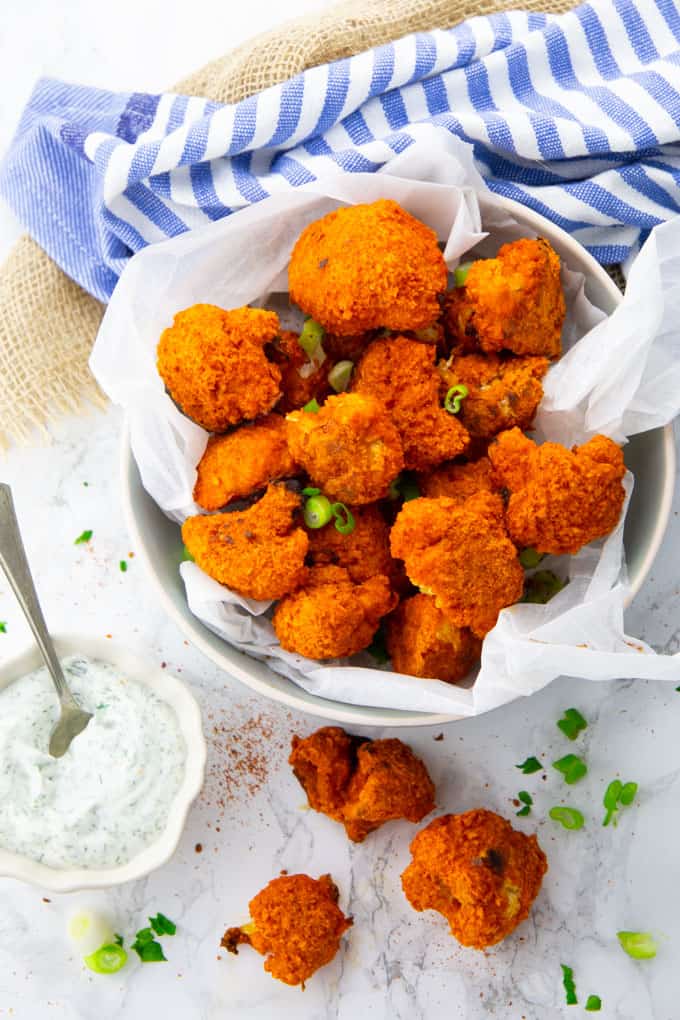
Cauliflower buffalo wings have become something of a plant-based staple in recent years, and for good reason. When prepared correctly — battered, baked until crispy, then tossed in a tangy, spicy buffalo sauce — they deliver the satisfaction of game-day food with none of the meat. The exterior is crunchy. The interior is tender. The sauce is bold, buttery, and unmistakably buffalo.

The key distinction between good and exceptional cauliflower wings is the batter. A well-seasoned, slightly thick batter that adheres properly to the cauliflower and crisps in the oven makes all the difference. The method below produces consistently excellent results, and it requires no deep-frying.

Ingredients (Serves 4 as a starter, or 6 as a snack)

For the cauliflower:

  • 1 large head of cauliflower, cut into large florets
  • 120g plain flour (or chickpea flour for gluten-free)
  • 160ml unsweetened plant milk
  • 1 teaspoon garlic powder
  • 1 teaspoon onion powder
  • 1 teaspoon smoked paprika
  • ½ teaspoon salt
  • ½ teaspoon black pepper
  • 80g panko breadcrumbs

For the buffalo sauce:

  • 120ml hot sauce (Frank’s RedHot is the classic choice)
  • 3 tablespoons vegan butter
  • 1 tablespoon maple syrup
  • 1 teaspoon garlic powder
  • ½ teaspoon onion powder
  • A pinch of salt

For serving:

  • Vegan ranch or blue cheese dressing
  • Celery sticks and carrot sticks
  • Fresh parsley
  • Lemon wedges

Method

Step 1: Prepare

Preheat your oven to 220°C (200°C fan). Line two large baking trays with parchment and drizzle lightly with oil. A well-oiled tray is essential for crispiness.

Step 2: Make the Batter

In a large bowl, whisk together the flour, plant milk, garlic powder, onion powder, smoked paprika, salt, and pepper until smooth. The batter should be thick enough to coat a floret without running off — similar to a thick crêpe batter. If too thick, add a splash more milk. If too thin, add a little more flour.

Step 3: Coat the Cauliflower

Spread the panko breadcrumbs on a plate. Working with one floret at a time, dip it in the batter and allow the excess to drip off. Then roll it in the panko breadcrumbs, pressing gently to adhere. Place on the prepared baking tray. Repeat with all florets.

Spacing is important: leave at least 2cm between each wing. Overcrowding causes steaming rather than crisping.

Step 4: Bake

Bake for 20 minutes, then carefully flip each piece. Bake for a further 10 to 15 minutes until deeply golden and crisp. The panko should be a rich golden-brown colour.

Step 5: Make the Buffalo Sauce

While the cauliflower bakes, melt the vegan butter in a small saucepan over low heat. Add the hot sauce, maple syrup, garlic powder, onion powder, and salt. Whisk until emulsified and smooth. Taste — adjust the heat level with more hot sauce if desired, or add an extra teaspoon of maple syrup to soften it.

Step 6: Toss and Finish

Remove the baked cauliflower wings from the oven. Transfer to a large bowl and pour over the buffalo sauce. Toss gently to coat every piece thoroughly without breaking the crust. Return to the baking tray and bake for a final 5 minutes to set the sauce.

Step 7: Serve Immediately

Serve hot with vegan ranch dressing for dipping, celery sticks, and a squeeze of lemon. These are at their very best within 15 minutes of the final bake, while the coating is still at its crispiest.

Tips for Maximum Crispiness

Several factors determine the crispiness of the final result:

Dry the cauliflower: After washing and cutting the florets, dry them thoroughly with a clean tea towel before battering. Moisture on the surface dilutes the batter and compromises the crust.

Use panko breadcrumbs: Regular breadcrumbs create a denser, heavier coating. Panko — Japanese-style breadcrumbs — are lighter and produce a significantly crispier crust. They are widely available in most supermarkets.

Do not crowd the tray: As noted above, spacing matters. If you need to cook in batches, do so rather than piling everything onto one tray.

High heat: 220°C is hotter than most baked vegetable recipes. This high heat is intentional — it drives off moisture quickly and promotes caramelisation of the crust.

The Vegan Ranch Dressing

A great dipping sauce is as important as the wings themselves. For a quick vegan ranch, combine 150g of vegan mayonnaise with 60ml of unsweetened oat milk, one tablespoon of apple cider vinegar, half a teaspoon of garlic powder, half a teaspoon of onion powder, one tablespoon of fresh dill (or a teaspoon of dried), and salt and pepper to taste. Whisk together and refrigerate for at least 20 minutes before serving. It keeps in the refrigerator for up to a week.

Nutritional Value

Cauliflower is one of the most nutritionally versatile vegetables available. A single serving of these wings provides vitamin C, vitamin K, folate, and a meaningful amount of dietary fibre. The chickpea flour variation increases the protein content of the batter considerably and makes the recipe suitable for those avoiding gluten.

These are a party food, and they should be enjoyed as such — but they are a better choice than most alternatives, made from whole ingredients without any artificial additives or preservatives.

Make-Ahead Options

The battered, pre-baked cauliflower wings (before the sauce is applied) can be prepared and refrigerated for up to 24 hours. Simply complete steps 1 through 4, allow to cool, and refrigerate in a sealed container. When ready to serve, reheat at 220°C for 8 to 10 minutes, then toss with the freshly made buffalo sauce and complete step 6.

The buffalo sauce keeps for up to a week in the refrigerator and reheats easily in a saucepan.

Final Thoughts

What makes this recipe so reliably excellent is the contrast it offers — the heat of the buffalo sauce against the cooling ranch, the crunch of the coating against the tender cauliflower, the sweet-sour-spicy balance of the sauce itself. Every element earns its place.

Serve them at your next gathering and watch them disappear. Then share this recipe when people ask how you made them.


Discover more warming plant-based recipes in our Website.