vegan meal prep dinner

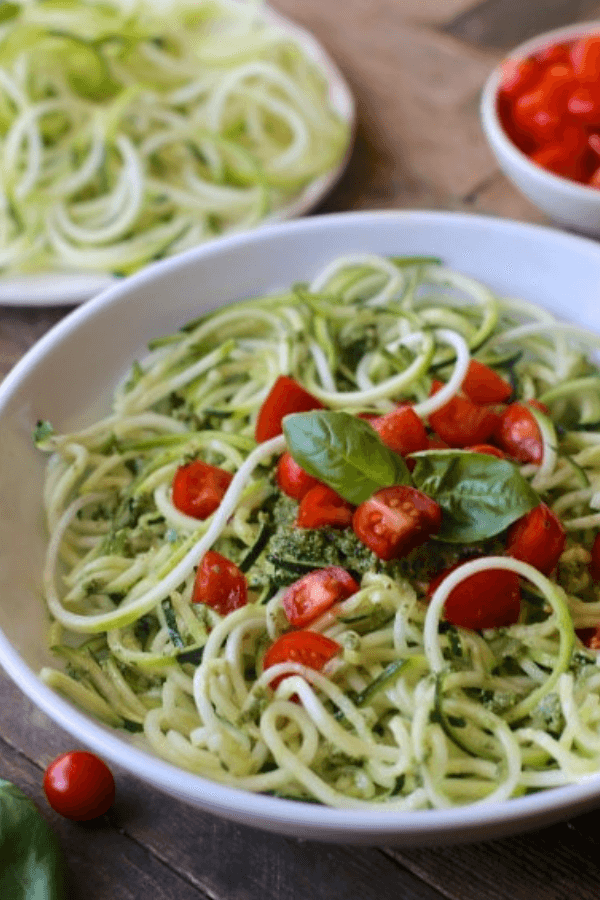
Zucchini Pasta with Vibrant Vegan Basil Pesto

The best things you can say about a pasta dish are that it is quick, that it is deeply flavoured, and that it leaves you genuinely satisfied. This zucchini pasta with vegan basil pesto achieves all three with such ease that it has become my most reliable weeknight dinner. From the moment the pasta water goes on to the moment the bowl lands on the table is thirty minutes. The pesto, once you have made it, is a revelation.

Pesto is one of those preparations that most people assume requires Parmesan cheese to taste the way it should. It does not. The cheese provides fat, salt, and umami — all of which can be replicated with nutritional yeast and good-quality salt in a way that is so convincing I have served this to Italian friends without revealing its plant-based nature, and received no complaints. One of them asked for the recipe.

The zucchini in this dish serves two purposes. Sliced into thin ribbons and added at the last moment, it softens gently from the residual heat of the pasta, providing a delicate textural contrast to the firm pasta and a freshness that lifts the richness of the pesto. It also stretches the dish, extending two servings of pasta to four without anyone feeling short-changed.

On Making the Best Pesto

Pesto is a sauce that rewards quality ingredients above all else. It has very few of them, which means each one matters more:

Basil: Use the freshest basil you can find, with large, unblemished leaves. Tired basil produces tired pesto. If your basil has started to wilt, it is still usable, but the flavour will be less vibrant. Fresh is always better.

Olive oil: Use extra-virgin olive oil. This is not the place for a light or mild cooking oil — the flavour of the oil is central to the flavour of the pesto. A grassy, slightly peppery Sicilian or Ligurian oil is ideal.

Nutritional yeast: This is what replaces the Parmesan in terms of flavour function. Two to three tablespoons add a savoury, almost cheesy depth. Do not skip it. Do not substitute.

Pine nuts vs alternatives: Pine nuts are traditional and produce a pesto with a particular richness and sweetness. They are also expensive. Walnuts make an excellent, more economical substitute, producing a slightly earthier pesto that many people prefer. Blanched almonds are another option. Whatever you use, toast them first — even two minutes in a dry pan dramatically improves the flavour.

Ingredients (Serves 4)

For the vegan basil pesto:

  • 60g fresh basil leaves, packed
  • 60g pine nuts (or walnuts), toasted
  • 3 garlic cloves
  • 3 tablespoons nutritional yeast
  • Juice of ½ lemon
  • 120ml extra-virgin olive oil
  • Salt and black pepper to taste

For the pasta:

  • 400g pasta of your choice (linguine, spaghetti, or penne all work well)
  • 3 medium zucchini (courgettes), sliced into thin ribbons with a peeler or mandoline
  • 3 tablespoons olive oil
  • 4 garlic cloves, thinly sliced
  • ½ teaspoon chilli flakes
  • 150g cherry tomatoes, halved
  • 50ml pasta cooking water (reserved before draining)
  • Salt for the pasta water

To serve:

  • Extra nutritional yeast or vegan Parmesan
  • Fresh basil leaves
  • Toasted pine nuts
  • Freshly cracked black pepper
  • Lemon zest

Method

Step 1: Make the Pesto

Toast the pine nuts in a dry pan over medium heat for 2 to 3 minutes, stirring, until lightly golden and fragrant. Watch them carefully — they burn quickly.

Place the basil, toasted pine nuts, garlic, and nutritional yeast in a food processor. Pulse several times until roughly combined. With the processor running, pour in the olive oil in a steady stream until the pesto reaches your preferred consistency — some people like it smooth, others prefer it chunky and textured. Season generously with salt, pepper, and lemon juice. Taste and adjust.

If you do not have a food processor, a blender works, or you can make it the traditional way in a mortar and pestle — starting with the garlic and salt, then adding the nuts, then the basil, and finally incorporating the oil by hand. The mortar and pestle method produces a more textured, more aromatic pesto that is arguably superior to the machine version.

Step 2: Cook the Pasta

Bring a large pot of water to a rolling boil. Season generously with salt — pasta water should taste pleasantly salty, like a mild broth. Cook the pasta according to packet instructions until al dente. Before draining, scoop out at least 100ml of pasta cooking water with a ladle or mug. This starchy water will help the pesto sauce cling to the pasta.

Step 3: Prepare the Zucchini

While the pasta cooks, use a vegetable peeler or mandoline to create thin ribbons from the zucchini. Run the peeler along the length of each courgette, rotating as you go. Stop when you reach the seedy core. The ribbons only need a minute in the pan — they cook through very quickly.

Step 4: Build the Sauce

Heat the olive oil in a wide pan over medium heat. Add the sliced garlic and chilli flakes. Cook gently for one to two minutes until the garlic is just golden — not brown. Add the cherry tomatoes, increase the heat slightly, and cook for three to four minutes until they begin to soften and blister.

Step 5: Combine

Add the drained pasta to the pan. Add two to three tablespoons of the reserved pasta water and stir vigorously — this emulsifies the starchy water with the oil, creating a light sauce that helps the pesto adhere. Add the zucchini ribbons and toss briefly. Remove from heat.

Spoon the pesto over the pasta and toss gently to coat, adding more pasta water if needed to loosen. The heat of the pasta will warm the pesto without cooking it — which is important, as cooking basil intensifies bitterness and dulls the vibrant green colour.

Step 6: Serve

Divide between warmed bowls immediately. Finish with extra nutritional yeast, toasted pine nuts, fresh basil leaves, lemon zest, and plenty of cracked black pepper.

Nutrition

This dish is an excellent source of complex carbohydrates for sustained energy, healthy fats from the olive oil and pine nuts, and plant-based protein and B vitamins from the nutritional yeast. Zucchini is low in calories and high in potassium and vitamin C. Basil, often overlooked nutritionally, provides a meaningful source of vitamin K.

For additional protein, stir in 200g of cooked white beans or chickpeas during step 4, or serve alongside a simple tomato and white bean salad.

Storage

Leftover pasta stores in the refrigerator for up to three days, though the pasta will absorb more pesto as it sits and may benefit from a drizzle of extra olive oil when reheating. Reheat gently in a pan with a splash of water.

The pesto itself stores beautifully. Pour into a clean jar, top with a thin layer of olive oil to prevent oxidation, and refrigerate for up to a week. It also freezes well in ice cube trays — pop the frozen cubes into a bag and use as needed.

Final Thoughts

There are dishes that impress through their complexity, and there are dishes that impress through their simplicity. This pasta belongs firmly in the second category. The pesto is so good on its own terms that it asks very little of the dish around it. Give it good pasta, fresh zucchini, a scattering of cherry tomatoes, and it does everything else itself.

Make the pesto in a larger batch than you need. You will find uses for it every day of the week.


Browse more simple, vibrant plant-based dinners in Website.
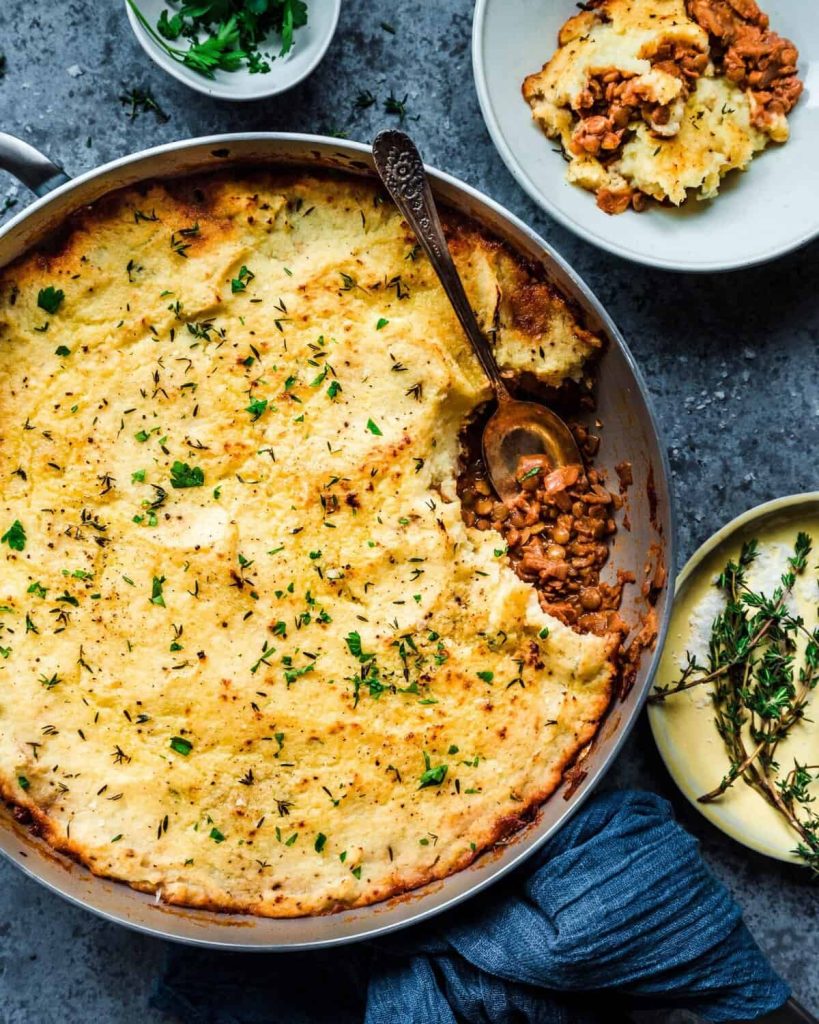
Vegan Shepherd’s Pie: The Ultimate Plant-Based Comfort Food

Few dishes carry the emotional weight of a shepherd’s pie. It is the kind of food that shows up at the table in winter, when the windows are fogged and the daylight is short, and it asks very little of you except that you sit down and eat. It is generous, warming, and deeply comforting — a meal that seems to understand what you need before you do.

This vegan version honours that spirit completely. The filling is built on lentils, mushrooms, and root vegetables slow-cooked in a rich, herbaceous gravy that is every bit as satisfying as the traditional lamb-based original. The topping is a cloud of creamy, golden mashed potato that blankets the filling and crisps beautifully in the oven. Together, they create a dish that I genuinely believe most people would struggle to identify as entirely plant-based.

The key to this recipe is the lentil and mushroom combination. Lentils provide body, protein, and a satisfying earthiness. Finely diced mushrooms — particularly if you allow them to cook down properly — take on an almost meaty texture and release a depth of umami flavour that forms the backbone of the filling. This is not a dish that imitates meat; it is a dish that builds its own compelling case.

Ingredients (Serves 6)

For the filling:

  • 250g green or brown lentils, rinsed (or 2 cans cooked lentils, drained)
  • 400g chestnut or portobello mushrooms, very finely diced
  • 2 medium carrots, diced into small cubes
  • 2 stalks celery, diced
  • 1 medium onion, finely diced
  • 4 garlic cloves, minced
  • 150g frozen peas
  • 2 tablespoons tomato paste
  • 2 tablespoons soy sauce
  • 1 tablespoon Worcestershire sauce (vegan version)
  • 250ml red wine or additional vegetable stock
  • 400ml vegetable stock
  • 2 tablespoons plain flour
  • 1 tablespoon fresh rosemary, finely chopped
  • 1 tablespoon fresh thyme leaves
  • 2 tablespoons olive oil
  • Salt and black pepper

For the mashed potato topping:

  • 1.2kg floury potatoes (Maris Piper or King Edward), peeled and quartered
  • 4 tablespoons vegan butter
  • 100ml unsweetened oat milk or plant milk of choice
  • 1 teaspoon Dijon mustard
  • Salt, white pepper, and a pinch of nutmeg

Method

Step 1: Cook the Lentils (if using dried)

If using dried lentils, place them in a saucepan with plenty of cold water. Bring to a boil and simmer for 20 to 25 minutes until tender but holding their shape. Drain and set aside. If using canned lentils, drain and rinse them and proceed directly to the filling.

Step 2: Build the Filling

Heat the olive oil in a large, deep pan or casserole over medium heat. Add the onion, carrots, and celery with a pinch of salt. Cook for 10 minutes, stirring occasionally, until softened. Add the garlic and cook for one more minute.

Turn the heat to high, add the diced mushrooms, and cook without stirring for two to three minutes to allow them to brown. They will release a lot of liquid — continue cooking, stirring occasionally, until this liquid has evaporated and the mushrooms are deeply golden. This step is essential for developing the meaty depth of the filling.

Reduce the heat to medium. Add the tomato paste and cook for two minutes, stirring. Sprinkle over the flour and stir well to coat everything — this will thicken the gravy. Add the red wine (or extra stock) and let it bubble for two minutes, then add the vegetable stock, soy sauce, Worcestershire sauce, rosemary, and thyme. Stir well.

Add the cooked lentils and stir to combine. Simmer over low heat for 15 to 20 minutes until the gravy is thick and rich. Add the frozen peas in the final two minutes of cooking. Taste and season generously with salt and black pepper.

Step 3: Make the Mashed Potato

While the filling simmers, cook the potatoes in a large pan of well-salted boiling water for 15 to 20 minutes until completely tender. Drain thoroughly, then return to the pan over low heat for one minute to steam off excess moisture — this step produces a fluffier mash.

Remove from heat. Mash until completely smooth. Add the vegan butter, plant milk, Dijon mustard, salt, white pepper, and a pinch of nutmeg. Beat with a wooden spoon until light and creamy. The mash should be rich and smooth — add more plant milk if needed to reach the right consistency.

Step 4: Assemble and Bake

Preheat your oven to 200°C (180°C fan). Transfer the filling to a large baking dish — approximately 30cm × 22cm — and spread it evenly. Spoon the mashed potato over the top, spreading it gently to cover the filling completely. Use a fork to create a ridged pattern across the surface — these ridges will catch the heat and crisp up beautifully in the oven.

Bake for 25 to 30 minutes until the mash is golden in places and the filling is visibly bubbling at the edges.

Step 5: Rest and Serve

Allow to rest for 5 to 10 minutes before serving — the filling will settle and become easier to portion. Serve with steamed green beans, tenderstem broccoli, or a simple green salad.

Why This Works Nutritionally

This dish is a nutritional complete meal in a single baking dish. Lentils are one of the most impressive sources of plant-based nutrition: a single cup provides around 18 grams of protein, 16 grams of dietary fibre, and substantial amounts of iron, folate, and potassium. They are also one of the most affordable sources of protein available, making this a dish that nourishes without straining a budget.

Carrots provide beta-carotene, celery contributes anti-inflammatory compounds, and mushrooms bring vitamin D and B vitamins to the mix. The potato topping, while primarily a source of comfort, also provides meaningful amounts of potassium and vitamin C — particularly when the skins are left on and the potatoes are cooked gently.

Storage and Freezing

This shepherd’s pie stores beautifully. Cover and refrigerate for up to four days, reheating portions in the oven at 180°C for 20 minutes or in the microwave. It also freezes exceptionally well — either as a whole assembled dish before or after baking, or in individual portions. Freeze for up to three months and thaw overnight in the refrigerator before reheating.

For best results when reheating from frozen, cover the dish with foil and bake at 180°C for 35 to 40 minutes, removing the foil for the final 10 minutes to re-crisp the topping.

Variations

Root vegetable topping: Replace half the potato with celeriac or parsnip for a more complex, slightly sweet topping that pairs particularly well with the herby filling.

Add red wine: If you have a bottle open, a generous splash of red wine added after the mushrooms caramelise adds a wonderful depth to the gravy. Let it reduce by half before adding the stock.

Sweeten the filling: A tablespoon of balsamic vinegar stirred through the filling at the end adds a gentle sweetness and extra complexity to the gravy.

Final Thoughts

There is a reason dishes like shepherd’s pie endure across generations and cultures: they are built on the principle of substance. They are designed to nourish, to warm, and to be genuinely enjoyed. This plant-based version does not diminish that purpose in any way — it carries it forward, with different ingredients and the same intention.

Make it for a cold evening. Make it for someone who thinks they do not like vegan food. Make it because you want something that will feed you well today and even better tomorrow.

It will do all of those things, and do them well.


Explore more warming plant-based recipes in our Website

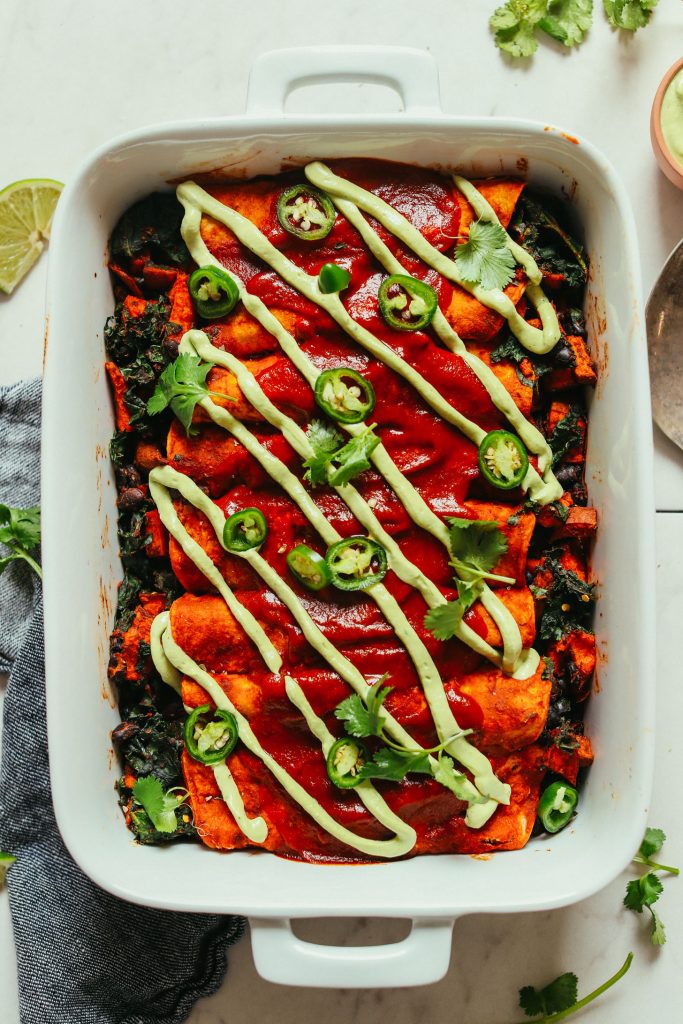
Sweet Potato and Black Bean Enchiladas: A Vegan Comfort Food Worth Making Every Week

There are certain meals that achieve something rare — they are simultaneously easy enough for a busy Wednesday evening and impressive enough to serve to guests on a weekend. These sweet potato and black bean enchiladas fall squarely into that category. They are saucy, slightly smoky, generously filled, and topped with a homemade red enchilada sauce that genuinely makes the dish.

I want to be honest about something: the enchilada sauce makes or breaks this recipe. Tinned enchilada sauce is perfectly serviceable, and on a time-pressed evening it is a completely reasonable shortcut. But the homemade version — which takes only fifteen minutes and uses ingredients most kitchens already stock — elevates the dish from good to genuinely memorable. I have included both options below, and you can make your own judgment.

What draws me back to this recipe regularly is how well it reheats. Make a tray on Sunday evening, and you have effortless lunches through the week. The flavours deepen overnight, the filling becomes even more tender, and the sauce settles into the tortillas in a way that is deeply satisfying. It is the kind of cooking that rewards you twice.

On the Filling

Sweet potato and black beans are a partnership built on complementary strengths. Sweet potato brings natural sweetness, a creamy texture, and a vibrant orange colour that makes the filling visually appealing. Black beans contribute earthy, robust protein and a firmness that prevents the filling from becoming stodgy. Together, seasoned with cumin, chilli, and smoked paprika, they create a filling that is layered, complex, and anything but one-dimensional.

The key to the best filling is roasting the sweet potato rather than boiling it. Roasting concentrates its natural sugars, adds caramelised edges, and gives the filling a textural interest that boiled sweet potato simply cannot match. It takes a little longer, but the difference is worth it.

Ingredients (Serves 4–6, approximately 10 enchiladas)

For the filling:

  • 2 medium sweet potatoes, peeled and diced into 1cm cubes
  • 2 cans (800g) black beans, drained and rinsed
  • 1 medium onion, finely diced
  • 3 garlic cloves, minced
  • 1 can (200g) sweetcorn, drained
  • 1 red bell pepper, diced
  • 2 teaspoons ground cumin
  • 1½ teaspoons smoked paprika
  • 1 teaspoon chilli powder
  • Salt and pepper to taste
  • 2 tablespoons olive oil
  • A handful of fresh coriander

For the homemade enchilada sauce:

  • 1 can (400g) chopped tomatoes
  • 2 tablespoons tomato paste
  • 2 teaspoons ground cumin
  • 1½ teaspoons smoked paprika
  • 1 teaspoon chilli powder
  • 1 teaspoon garlic powder
  • 1 teaspoon onion powder
  • 1 tablespoon olive oil
  • 200ml vegetable stock
  • Salt to taste

To assemble:

  • 10 medium flour tortillas
  • Vegan cheese, grated (optional)
  • Sliced avocado, lime, and coriander to serve

Method

Step 1: Roast the Sweet Potato

Preheat your oven to 200°C (180°C fan). Toss the diced sweet potato with one tablespoon of olive oil, a pinch of cumin, salt, and pepper. Spread in a single layer on a lined baking tray. Roast for 25 minutes until tender and lightly caramelised at the edges. Remove from the oven and set aside. Keep the oven on.

Step 2: Make the Enchilada Sauce

While the sweet potato roasts, heat the olive oil in a saucepan over medium heat. Add the tomato paste and cook for two minutes, stirring, to caramelise it slightly. Add the spices — cumin, smoked paprika, chilli powder, garlic powder, onion powder — and stir for one minute. Add the chopped tomatoes and vegetable stock. Simmer for 10 minutes, stirring occasionally, until the sauce has thickened and the flavours have come together. Taste and adjust seasoning. Blend briefly with an immersion blender for a smoother consistency, if preferred.

Step 3: Cook the Filling

Heat the remaining tablespoon of oil in a large pan over medium heat. Add the onion and cook for 6 to 7 minutes until softened. Add the garlic, red pepper, cumin, smoked paprika, and chilli powder. Cook for two more minutes. Add the black beans and sweetcorn. Stir to combine and season generously. Fold in the roasted sweet potato gently, keeping some pieces intact for texture. Add the fresh coriander.

Step 4: Assemble

Spread a thin layer of enchilada sauce across the bottom of a large baking dish. Warm the tortillas briefly in a dry pan or microwave — this makes them more pliable and less likely to crack when rolled. Place a generous spoonful of filling along the centre of each tortilla, roll firmly, and place seam-side down in the dish. Repeat until all filling and tortillas are used.

Pour the remaining enchilada sauce over the top, spreading it to cover the tortillas completely. Sprinkle with grated vegan cheese if using.

Step 5: Bake

Bake in the preheated oven for 20 to 25 minutes until the sauce is bubbling and the tops are lightly golden. Allow to rest for five minutes before serving.

Step 6: Serve

Serve straight from the dish, topped with sliced avocado, a squeeze of lime, and fresh coriander. A simple shredded lettuce salad alongside cuts through the richness beautifully.

Nutritional Information

This dish is a nutritional powerhouse in the most unassuming way. Sweet potatoes are rich in beta-carotene — the precursor to vitamin A — which supports immune function and skin health. They are also a good source of vitamin C, potassium, and dietary fibre. Black beans provide approximately 15 grams of protein and 15 grams of fibre per cup, making them one of the most valuable ingredients in plant-based cooking.

Together, this meal provides a substantial amount of complex carbohydrates for sustained energy, plant-based protein for muscle maintenance, and micronutrients that support overall health. It is the kind of meal you feel as good eating as you feel making it.

Storage and Meal Prep

These enchiladas store exceptionally well. Cover the baking dish tightly with foil and refrigerate for up to four days. Reheat individual portions in the microwave or return the entire dish to a 180°C oven for 15 minutes. Add a small splash of water before reheating to loosen the sauce if needed.

To freeze, assemble the enchiladas completely, including the sauce, but do not bake. Cover tightly with foil and freeze for up to three months. Bake from frozen at 180°C for 40 to 45 minutes, or thaw overnight in the refrigerator and bake for the usual 20 to 25 minutes.

Variations

Add greens: A large handful of spinach or finely chopped kale stirred into the filling at the last moment adds colour and nutrition without changing the flavour profile significantly.

Make it spicier: Add one or two finely diced chipotle peppers in adobo sauce to the enchilada sauce for a deeper, smokier heat.

Use corn tortillas: For a more traditional preparation and a naturally gluten-free version, use corn tortillas instead of flour. Warm them well before rolling to prevent cracking, and work quickly.

Add cashew cream: A drizzle of blended cashew cream over the finished enchiladas adds a luxurious richness and makes the dish feel especially indulgent.

Final Thoughts

What this recipe does well — and what I think sets it apart from a lot of plant-based cooking — is that it does not ask you to pretend. It does not try to be meat. It is simply a deeply flavourful, genuinely satisfying dish built on the merits of its own ingredients. The sweet potato is there because it belongs. The black beans are there because they work. The sauce ties everything together because someone took fifteen minutes to make it properly.

That is cooking at its most honest, and it is the kind of cooking that always tastes best.


Try more hearty plant-based dinner recipes in our website