vegan comfort food

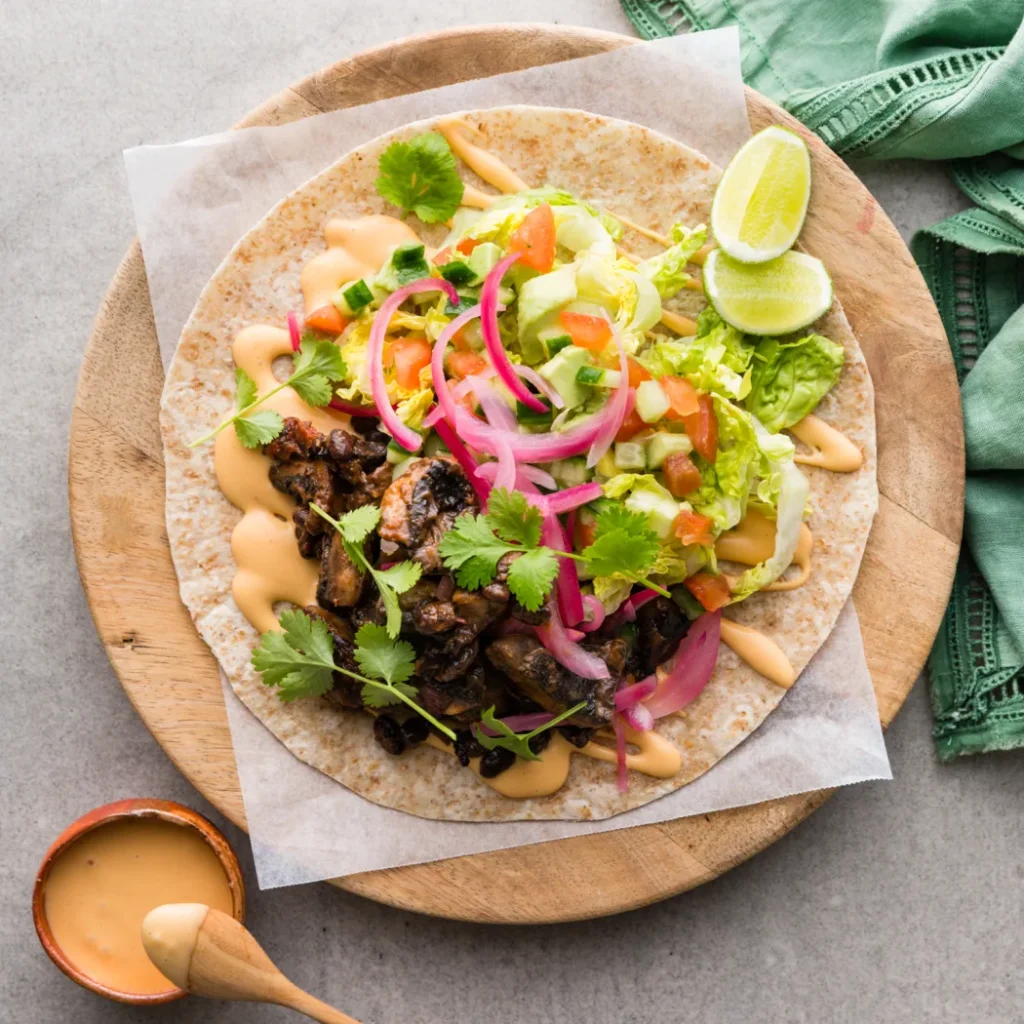
Smoky Pulled Mushroom Tacos: The Plant-Based Taco That Will Change How You Think About Fungi

Tacos are perhaps the most democratic food in existence. They welcome every filling, every flavour profile, every cultural influence with equal hospitality. They are fast to assemble, endlessly customisable, and almost universally enjoyed. The taco is the vehicle; the filling is the conversation.

These smoky pulled mushroom tacos are a conversation worth having. King oyster mushrooms — also sold as trumpet mushrooms or eryngii — have a fibrous, almost meaty texture when shredded and cooked over high heat. They absorb the surrounding flavours readily, caramelise beautifully in a hot pan, and develop a pulled, stringy quality that is so satisfying it requires no comparison to anything else. It simply is what it is: excellent food.

The seasoning here draws from Mexican cooking traditions — achiote, smoked paprika, cumin, and chipotle — and the result is a deeply savoury, slightly smoky, mildly spicy filling that pairs perfectly with warm corn tortillas and a sharp, cooling tomatillo salsa.

Why King Oyster Mushrooms?

You can make pulled mushroom tacos with a number of varieties, but king oyster mushrooms are the clear first choice. Their dense, meaty stems have a texture that shreds convincingly along natural grain lines, rather than crumbling or becoming soft as other mushrooms do when cooked. They are also mild in flavour, which means they absorb marinades and seasonings deeply rather than competing with them.

If king oyster mushrooms are unavailable, large portobello mushrooms — thickly sliced rather than shredded — work reasonably well. Oyster mushrooms, torn into large pieces, are another option. The technique and seasoning remain the same regardless of variety.

Ingredients (Serves 4, approximately 2–3 tacos per person)

For the pulled mushrooms:

  • 600g king oyster mushrooms
  • 3 tablespoons soy sauce or tamari
  • 2 tablespoons olive oil
  • 2 tablespoons fresh lime juice
  • 2 tablespoons tomato paste
  • 1 teaspoon liquid smoke (or an additional teaspoon of smoked paprika)
  • 2 teaspoons smoked paprika
  • 1½ teaspoons ground cumin
  • 1 teaspoon garlic powder
  • 1 teaspoon onion powder
  • 1 teaspoon dried oregano
  • ½ teaspoon chipotle powder or chilli flakes
  • ½ teaspoon black pepper
  • 1 teaspoon maple syrup

For the tomatillo salsa:

  • 400g tomatillos (or green tomatoes), roughly chopped
  • 1 small white onion, roughly diced
  • 2 garlic cloves
  • 1 jalapeño, seeded if you prefer less heat
  • A large handful of fresh coriander
  • Juice of 1 lime
  • Salt to taste

For the pickled red onion:

  • 1 large red onion, very thinly sliced
  • 100ml apple cider vinegar
  • 100ml water
  • 1 tablespoon sugar
  • 1 teaspoon salt

To serve:

  • 12 small corn tortillas
  • Sliced avocado or guacamole
  • Fresh coriander
  • Lime wedges
  • Vegan sour cream or cashew cream
  • Hot sauce

Method

Step 1: Quick-Pickle the Red Onion (do this first)

Combine the apple cider vinegar, water, sugar, and salt in a small saucepan. Heat over medium heat, stirring until the sugar and salt dissolve. Pour the hot brine over the sliced red onion in a heatproof bowl or jar. Leave to cool at room temperature for at least 30 minutes. The onions will turn a vivid pink and become pleasantly tangy and tender. These can be made up to a week in advance and stored in the refrigerator — they improve with time.

Step 2: Shred the Mushrooms

Clean the mushrooms with a damp cloth. Trim the very base of the stems. Using two forks, or simply your hands, shred the mushrooms along their natural grain into thin, fibrous strips. The goal is pieces that roughly resemble pulled meat — not uniform chunks, but irregular, fibrous shreds of varying lengths.

Step 3: Make the Marinade

In a large bowl, whisk together the soy sauce, olive oil, lime juice, tomato paste, liquid smoke, smoked paprika, cumin, garlic powder, onion powder, oregano, chipotle powder, black pepper, and maple syrup. Add the shredded mushrooms and toss to coat thoroughly. The marinade should coat every strand. Leave to marinate for at least 15 minutes, or up to two hours for deeper flavour absorption.

Step 4: Cook the Mushrooms

Heat a large, wide pan or cast-iron skillet over high heat. You want very high heat — this is what produces the caramelised, slightly charred edges that give the mushrooms their depth of flavour.

Add the marinated mushrooms to the dry pan (or with a very small amount of additional oil if needed) and spread in a single layer. Do not stir for two to three minutes — allow them to char and caramelise on one side. Then toss and continue cooking, spreading and pressing occasionally, for another five to six minutes until the mushrooms are deeply golden, slightly crispy at the edges, and most of the marinade has been absorbed and caramelised. Season with salt.

Step 5: Make the Tomatillo Salsa

Blend the tomatillos, white onion, garlic, jalapeño, and coriander in a blender or food processor until roughly smooth — a little texture is desirable. Season generously with lime juice and salt. Taste and adjust. The salsa should be bright, tangy, and have a good level of heat. It can be made in advance and refrigerated for up to three days.

Step 6: Warm the Tortillas

Warm the corn tortillas directly over a gas flame for 20 to 30 seconds per side until charred in spots and pliable, or in a dry pan over high heat. Keep warm wrapped in a clean tea towel.

Step 7: Assemble and Serve

Double up the tortillas for structural integrity — this is the correct way to serve corn tortillas. Layer each double tortilla with a generous spoonful of pulled mushrooms, a drizzle of tomatillo salsa, a small pile of pickled red onion, sliced avocado, and a scattered handful of fresh coriander. Serve with lime wedges, vegan sour cream, and hot sauce on the side.

The Case for Corn Tortillas

Flour tortillas are softer, more pliable, and more forgiving to work with. Corn tortillas are the correct choice for street-style tacos. They have a distinct flavour — slightly earthy and faintly sweet from the masa — that flour tortillas simply do not replicate. They are also naturally gluten-free and have a more interesting nutritional profile, being made from nixtamalised corn that has higher available calcium and amino acid content than regular corn flour.

Their one drawback is fragility — they tear more easily than flour tortillas. Doubling them resolves this completely and is authentic to how they are served in Mexico.

Nutrition

King oyster mushrooms are nutritionally impressive in a way that many people do not expect. They are a meaningful source of ergothioneine — a unique antioxidant with no plant-based equivalent — as well as beta-glucan fibre that supports immune function and healthy cholesterol levels. They also provide B vitamins, particularly riboflavin and niacin, and small amounts of vitamin D.

The combination of beans and corn tortillas in this meal provides a complete amino acid profile across the meal as a whole, making these tacos a nutritionally well-rounded dinner without any supplementation.

Entertaining with These Tacos

These mushroom tacos are outstanding for entertaining because the components can all be prepared in advance and assembled at the table. Set out the warm mushrooms, tomatillo salsa, pickled onions, avocado, sour cream, hot sauce, coriander, and lime wedges in separate small bowls and let guests assemble their own. This approach — the taco bar — is one of the most reliably enjoyable formats for casual gatherings.

Final Thoughts

The mushroom taco is not a compromise. It does not sit apologetically beside its meat counterpart, hoping to be judged on a different scale. It is simply a great taco — smoky, textural, complex, and deeply satisfying — that happens to be made entirely from plants.

Make it on Taco Tuesday. Make it on any day that needs improving. It will deliver every time.


Discover more creative plant-based recipes in our Website.
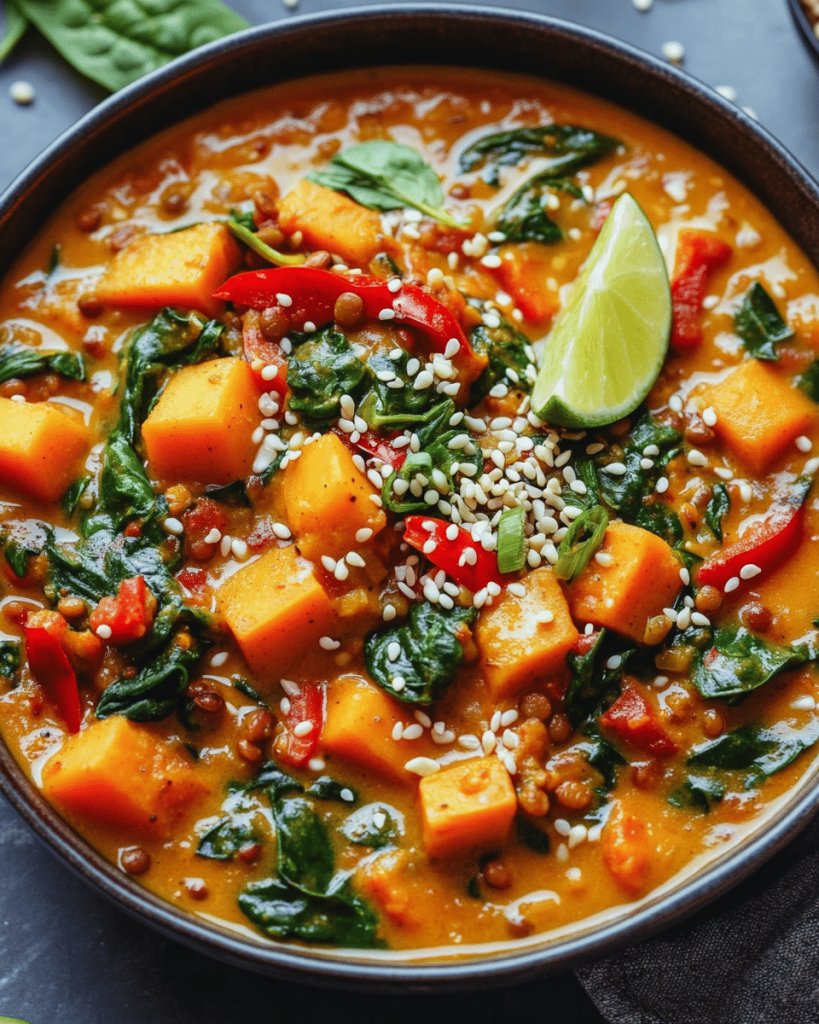
Golden Sweet Potato and Spinach Curry: Simple, Nourishing, and Deeply Satisfying

Some recipes become staples not because they are showstoppers, but because they are reliable. They fit into real life — they use affordable, available ingredients, they come together without drama, and they consistently produce something that makes dinner feel taken care of. This sweet potato and spinach curry is that kind of recipe.

It is golden in colour from turmeric and ginger, warming from the blend of spices, naturally sweet from the sweet potato, and made creamy by the coconut milk that brings the whole thing together. It is the kind of curry that makes you reach for more rice because the sauce demands it. It is also, importantly, completely one-pot — which means cleanup is as uncomplicated as the cooking.

I have made this curry for people who avoid curry, for people who are sceptical of vegan food, and for people who are simply hungry on a Tuesday evening and needed something good. It has never let me down.

Why Sweet Potato Works So Well in Curry

Sweet potato is not a traditional curry ingredient across most South Asian cooking traditions, but it earns its place here through its flavour logic. Its natural sweetness provides a counterpoint to the heat and spice of the sauce. Its starchy flesh absorbs the surrounding curry base as it cooks, carrying those flavours deep into each piece. And its vibrant orange colour, set against the golden sauce and dark spinach, makes the dish visually striking before anyone has tasted it.

For the best result, dice the sweet potato into uniform pieces of approximately 2cm. This ensures even cooking — pieces that are too small will dissolve into the sauce, while pieces that are too large will remain firm when the rest of the dish is ready.

Ingredients (Serves 4)

  • 2 large sweet potatoes (approximately 800g), peeled and diced into 2cm cubes
  • 200g baby spinach (or regular spinach, roughly chopped)
  • 1 can (400ml) full-fat coconut milk
  • 1 can (400g) chopped tomatoes
  • 1 medium onion, finely diced
  • 5 garlic cloves, minced
  • 2 tablespoons fresh ginger, grated
  • 2 tablespoons neutral oil
  • 1½ teaspoons ground cumin
  • 1½ teaspoons ground coriander
  • 1½ teaspoons turmeric
  • 1 teaspoon garam masala
  • 1 teaspoon smoked paprika
  • ½ to 1 teaspoon chilli powder (to taste)
  • 1 teaspoon salt, plus more to taste
  • 200ml vegetable stock
  • Juice of ½ lemon

To serve: Basmati rice or naan, fresh coriander, yoghurt alternative, mango chutney

Method

Step 1: Cook the Aromatics

Heat the oil in a large, deep pan or casserole over medium heat. Add the diced onion and a pinch of salt. Cook for 8 to 10 minutes, stirring occasionally, until the onion is soft, golden, and beginning to caramelise — do not rush this step. Add the garlic and ginger and cook for two more minutes.

Step 2: Add the Spices

Add the cumin, coriander, turmeric, smoked paprika, and chilli powder. Stir constantly for 90 seconds to bloom the spices. The mixture will look dry and paste-like — this is correct. The spices need direct contact with the heat to release their essential oils.

Step 3: Add Tomatoes and Sweet Potato

Pour in the chopped tomatoes and stir well, scraping any spices from the bottom of the pan. Add the diced sweet potato and vegetable stock. Stir to combine. Bring to a boil, then reduce to a steady simmer. Cook for 15 to 18 minutes until the sweet potato is tender when pierced with a knife but still holding its shape.

Step 4: Add Coconut Milk and Spinach

Pour in the coconut milk and stir. Simmer for five more minutes. Add the baby spinach in large handfuls, stirring after each addition until wilted. The spinach will reduce dramatically in volume. Add the garam masala, lemon juice, and additional salt to taste.

Step 5: Serve

Serve over fluffy basmati rice or with warm naan. Top with fresh coriander, a dollop of vegan yoghurt or coconut yoghurt, and mango chutney if desired.

The Importance of Garam Masala at the End

Garam masala is a fragrant, complex blend of warm spices — typically including cardamom, cloves, cinnamon, and black pepper — and it behaves differently from other spices in cooking. While base spices like cumin and coriander benefit from long cooking and blooming in hot oil, garam masala is most fragrant when added at the very end of cooking. The heat of the dish is sufficient to activate it without the prolonged cooking that would diminish its delicate floral notes.

This distinction makes a meaningful difference to the final flavour of the curry. Add it too early and it becomes background noise; add it at the end and it perfumes the entire dish.

Nutrition

This curry is a nutritional standout even within the context of plant-based cooking. Sweet potato provides extraordinary amounts of beta-carotene — more than almost any other food — along with vitamin C, potassium, and dietary fibre. Spinach contributes iron, vitamin K, folate, and antioxidants including lutein and zeaxanthin, which support eye health.

Turmeric deserves particular mention. Its active compound, curcumin, has been extensively studied for its anti-inflammatory properties. The fat in coconut milk helps the body absorb curcumin more effectively — another example of how traditional spiced cooking demonstrates an intuitive nutritional wisdom.

Together, this curry provides a substantial and well-balanced meal that genuinely supports health rather than simply avoiding harm.

Make-Ahead

This curry is an excellent candidate for batch cooking. Prepare a double quantity on a Sunday evening and refrigerate in portions — it reheats beautifully and the flavours continue to improve over the following two to three days. Freeze in sealed containers for up to three months.

When reheating, add a small splash of vegetable stock or water to loosen the sauce, which will have thickened considerably in the refrigerator.

Variations

Add protein: Stir in a can of drained chickpeas or white beans alongside the sweet potato for additional protein and fibre.

Make it richer: Replace 100ml of vegetable stock with an additional half can of coconut milk for an even more indulgent sauce.

Add heat: A finely diced fresh green chilli added with the aromatics, or a swirl of chilli oil at the end, increases the heat considerably.

Use pumpkin: Butternut squash or pumpkin can replace the sweet potato with equally excellent results.

Final Thoughts

A curry should feel like it was made with care, and this one does. It has the warmth and depth of something that has been simmering on a stove all afternoon, even though it takes forty minutes from start to finish. It fills the kitchen with one of the best smells imaginable. And it produces the kind of dinner that people remember and ask you to make again.

That is all a recipe needs to be.


Explore more warming plant-based meals in our Website.

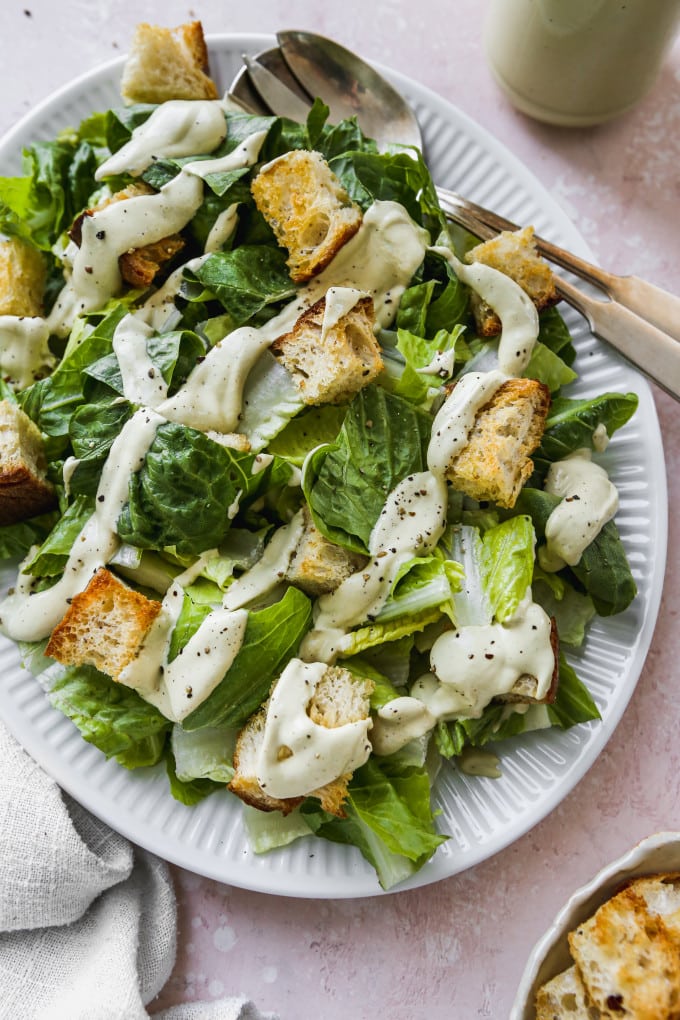
The Vegan Caesar Salad That Convinced Me Anchovies Were Never the Point

Caesar salad has a devoted following that can seem almost religious in its attachment to the traditional recipe. Anchovies, egg yolk, Parmesan, Worcestershire sauce — the original dressing is built almost entirely on animal products. Ask a Caesar purist whether a vegan version can hold up, and you will receive a polite but firm no.

I used to agree with them. Then I developed this recipe and changed my mind entirely.

The secret is understanding what each traditional ingredient actually contributes in terms of flavour function, and then replicating that function with plant-based ingredients. Anchovies bring saltiness and umami. Egg yolk provides emulsification and richness. Parmesan adds savoury depth. Worcestershire sauce contributes complexity. Once you understand those roles, finding plant-based alternatives becomes a culinary problem with several satisfying solutions rather than an impossible substitution.

The result is a Caesar salad with crisp, garlicky romaine, golden homemade croutons, and a dressing so convincingly Caesar that I served it at a dinner party without explanation and had three people ask if I had used the classic recipe.

On the Dressing

The dressing is everything in a Caesar salad. The romaine is a vehicle; the croutons are texture; the dressing is the reason.

This vegan Caesar dressing uses cashews as its base — soaked until soft and blended until completely smooth, they provide the creamy, rich emulsified texture that egg yolk creates in the original. Capers and caper brine replace anchovies, providing that characteristic briny, slightly pungent hit of umami. Nutritional yeast stands in for Parmesan. Dijon mustard helps the dressing emulsify and adds depth. And an unusually generous amount of garlic gives the dressing its assertive, garlicky character.

Chill the dressing before serving — it thickens and its flavours intensify with refrigeration.

Ingredients (Serves 4)

For the cashew Caesar dressing:

  • 100g raw cashews, soaked in cold water for at least 4 hours (or in boiling water for 30 minutes)
  • 2 tablespoons capers, plus 1 tablespoon of the caper brine
  • 3 garlic cloves
  • 2 tablespoons lemon juice, freshly squeezed
  • 1 tablespoon Dijon mustard
  • 1 tablespoon nutritional yeast
  • 1 teaspoon soy sauce or tamari
  • ½ teaspoon white wine vinegar
  • 60–80ml water (to thin)
  • Salt and black pepper to taste

For the croutons:

  • 200g sourdough bread or ciabatta, torn into rough 2cm pieces
  • 3 tablespoons olive oil
  • 2 garlic cloves, minced
  • 1 teaspoon dried Italian herbs
  • ½ teaspoon salt
  • ¼ teaspoon black pepper

For the salad:

  • 2 large heads romaine lettuce, washed and roughly torn
  • 40g vegan Parmesan (store-bought, or nutritional yeast sprinkled directly)
  • Extra cracked black pepper

Method

Step 1: Soak the Cashews

If you have not soaked the cashews in advance, cover them with boiling water and soak for a minimum of 30 minutes. The longer they soak, the creamier the dressing will be. Drain before using.

Step 2: Make the Croutons

Preheat the oven to 200°C (180°C fan). In a large bowl, combine the olive oil, minced garlic, Italian herbs, salt, and pepper. Add the torn bread and toss thoroughly to coat every piece. Spread in a single layer on a baking tray. Bake for 12 to 15 minutes, turning once, until deeply golden and crisp throughout. Allow to cool on the tray — they will continue to crisp as they cool. The croutons can be made up to two days in advance and stored in an airtight container.

Step 3: Blend the Dressing

Drain the soaked cashews. Place them in a high-speed blender along with the capers, caper brine, garlic, lemon juice, Dijon mustard, nutritional yeast, soy sauce, and white wine vinegar. Add 60ml of water and blend on high until completely smooth — at least one to two minutes. The dressing should be silky and creamy with no grainy texture. Add more water, one tablespoon at a time, if needed to reach a pourable, coating consistency.

Taste carefully and adjust: more lemon for brightness, more soy for saltiness, more nutritional yeast for cheesiness, more caper brine for brininess. Season with salt and pepper. Refrigerate until ready to use.

Step 4: Assemble

In a very large bowl, combine the torn romaine lettuce. Pour over approximately two-thirds of the dressing and toss well to coat every leaf — using your hands is the most effective method. The dressing should coat the leaves fully without pooling at the bottom of the bowl.

Add the croutons and toss once more. Taste and add more dressing if desired. Transfer to serving plates or a large platter.

Step 5: Finish and Serve

Scatter vegan Parmesan (or a generous amount of nutritional yeast) over the top. Add a generous amount of freshly cracked black pepper. Serve immediately — a dressed salad that sits for more than ten minutes will wilt.

Adding Protein

This salad is satisfying as it is, but for a complete meal, several additions work beautifully:

Crispy chickpeas: Drain and dry canned chickpeas thoroughly. Toss in olive oil, garlic powder, and smoked paprika. Roast at 200°C for 25 to 30 minutes until crispy. Scatter over the assembled salad.

Pan-seared tofu: Slice firm tofu into thin planks. Marinate in soy sauce, garlic, and lemon juice for 20 minutes. Pan-sear in a little oil until golden on both sides.

Tempeh bacon: Thinly slice tempeh and marinate in smoked paprika, maple syrup, soy sauce, and liquid smoke. Pan-fry until caramelised and crispy. This is particularly good in a Caesar.

Storage

The dressing stores in a sealed jar in the refrigerator for up to five days and actually improves after 24 hours as the flavours develop. The croutons keep at room temperature in an airtight container for up to three days. Do not dress the salad in advance — dress immediately before serving.

Nutrition

Cashews, the base of this dressing, are one of the most versatile ingredients in plant-based cooking and bring genuine nutritional value alongside their creaminess. They are a meaningful source of magnesium, copper, zinc, and healthy monounsaturated fats. Romaine lettuce, often unfairly dismissed as nutritionally uninteresting, provides a meaningful amount of vitamin K, folate, and beta-carotene.

The sourdough croutons, made from naturally fermented bread, are easier to digest than croutons made from standard bread and contribute a modest amount of beneficial bacteria precursors.

Final Thoughts

This salad changed my thinking about vegan cooking as a category. It taught me that the goal is not to miss the original ingredients, but to understand what they were doing and find ingredients that do those things just as well — or in some cases, better.

Make the dressing once. You will make it every week thereafter.


Browse more simple, vibrant plant-based dinners in Website.

Fluffy Vegan Pancakes: The Weekend Breakfast That Changes Everything

For a long time, I assumed that truly fluffy pancakes — the kind with height and airiness, that pull apart into soft, tender layers — required eggs. It seemed non-negotiable. The egg white, beaten into foam, was the structural mechanism that produced that lift. Without it, pancakes would be thin, dense, and disappointing.

I was wrong, and discovering how wrong I was remains one of my favourite moments in plant-based cooking.

These vegan pancakes are fluffy. Not almost-fluffy, not acceptable-for-vegan-pancakes fluffy, but genuinely, impressively fluffy. The secret is the vegan buttermilk — plant milk combined with apple cider vinegar — which reacts with the leavening agents to produce carbon dioxide bubbles throughout the batter, creating a light, airy texture that rivals anything eggs have to offer.

They are also, importantly, quick. From gathering the ingredients to stacking the first pancake takes under twenty minutes. This is Sunday morning food that does not ask you to wake up early.

Ingredients (Makes approximately 10–12 pancakes)

Dry ingredients:

  • 200g plain flour
  • 2 tablespoons caster sugar
  • 2 teaspoons baking powder
  • ½ teaspoon bicarbonate of soda
  • ½ teaspoon fine salt

Wet ingredients:

  • 240ml unsweetened oat milk (or any plant milk)
  • 1 tablespoon apple cider vinegar
  • 2 tablespoons neutral oil (plus extra for frying)
  • 1 teaspoon vanilla extract

Method

Step 1: Make the Vegan Buttermilk

Combine the oat milk and apple cider vinegar in a jug. Stir once and set aside for five minutes. The milk will curdle slightly and thicken — this is exactly what you want. This vegan buttermilk reacts with the bicarbonate of soda during cooking to produce the lift that makes these pancakes exceptional.

Step 2: Combine Dry Ingredients

In a large bowl, whisk together the flour, sugar, baking powder, bicarbonate of soda, and salt. Ensure these are well combined — uneven distribution of leavening agents leads to inconsistent rise.

Step 3: Combine Wet and Dry

Add the oil and vanilla extract to the buttermilk mixture. Pour the wet ingredients into the dry ingredients and fold with a spatula until just combined. The batter should be thick, slightly lumpy, and should fall from the spatula in heavy ribbons. Do not overmix. Small lumps of flour are not only acceptable — they are desirable. Overmixed batter develops gluten and produces tough, chewy pancakes.

Let the batter rest for five minutes. This rest allows the leavening agents to begin working and the gluten to relax.

Step 4: Cook

Heat a non-stick pan or griddle over medium heat. Add a small amount of oil and allow it to heat until a drop of batter sizzles immediately on contact. This is the right temperature — too cool, and the pancakes spread without rising; too hot, and they brown on the outside before the centre is cooked.

Pour approximately 60ml of batter per pancake into the pan. Cook until bubbles appear across the entire surface and the edges look set — typically two to three minutes. Flip carefully with a wide spatula and cook for a further minute and a half on the other side. The second side will not brown as evenly as the first; this is entirely normal.

Keep finished pancakes warm in a low oven (100°C) while you cook the remaining batches.

Step 5: Serve

Stack the pancakes generously and serve with your choice of toppings.

Topping Ideas

The pancakes are excellent with nothing more than maple syrup. But for those who want something more:

Classic: Maple syrup, sliced banana, and a dusting of icing sugar.

Berry compote: Simmer 200g of mixed frozen berries with two tablespoons of maple syrup and a squeeze of lemon juice for five minutes. Spoon warm over the stack.

Peanut butter and banana: Spread a generous layer of peanut butter between each pancake, top with sliced banana and a drizzle of maple syrup. This is as indulgent as it sounds.

Lemon and sugar: The classic combination — a squeeze of lemon juice and a teaspoon of caster sugar over each pancake. Simple, perfect, and worth returning to.

Biscoff and cream: A drizzle of Biscoff spread (which happens to be vegan) and a dollop of whipped coconut cream for something genuinely decadent.

Troubleshooting

Pancakes spreading too thin: The batter is too loose. This can happen if the milk was measured too generously or the flour too conservatively. Stir a tablespoon of flour into the remaining batter and allow the pan to reach a higher temperature before the next pancake.

Pancakes not rising: The baking powder or bicarbonate of soda may be past its best. Test by dropping a small amount of bicarbonate of soda into hot water — if it fizzes vigorously, it is still active.

Pancakes sticking: The pan was not adequately oiled, or the heat was too low. Re-oil between each pancake and ensure the pan is properly preheated.

Pancakes too dense: The batter was overmixed or the pan temperature was too low. Both produce pancakes that do not rise properly.

Variations

Blueberry pancakes: Fold 150g of fresh or frozen blueberries into the batter after mixing. They burst as the pancakes cook, creating pockets of jammy sweetness throughout.

Chocolate chip pancakes: Fold 80g of vegan chocolate chips into the batter. Add a tablespoon of cocoa powder to the dry ingredients for a fully chocolate version.

Banana pancakes: Mash one ripe banana and add to the wet ingredients. Reduce the oil by half — the banana provides natural fat and moisture. These are particularly tender and naturally sweet.

Buckwheat pancakes: Replace half the plain flour with buckwheat flour for a nuttier, slightly more complex flavour. Buckwheat is also naturally gluten-free, though check that your particular flour is produced in a certified gluten-free facility.

Nutrition

These pancakes are a source of complex carbohydrates that provide sustained morning energy. Using oat milk adds beta-glucan fibre, which has been associated with improved blood cholesterol levels and stable blood sugar response. When topped with fresh fruit, the nutritional value increases considerably — berries in particular bring vitamin C and antioxidants, while banana contributes potassium and natural sugars for immediate energy.

Meal Prep and Storage

Leftover pancakes store well and reheat beautifully. Place cooled pancakes in a single layer on a baking tray and freeze until solid, then transfer to a freezer bag. Reheat directly from frozen in a toaster, in a dry pan over medium heat, or in an oven at 180°C for five minutes.

They also keep in the refrigerator for up to three days — store with squares of parchment between each pancake to prevent sticking.

Final Thoughts

The best Sunday morning is one that starts slowly, with the particular smell of something sweet and warm on the stove and the knowledge that nothing is required of you for at least the next hour. These pancakes are built for that morning. They are quick enough not to be a project and good enough to make the morning feel special.

Make them for yourself, for someone you are fond of, or for a table full of people on a leisurely weekend. They will always be the right choice.


Browse more simple, vibrant plant-based dinners in Website.

Zucchini Pasta with Vibrant Vegan Basil Pesto

The best things you can say about a pasta dish are that it is quick, that it is deeply flavoured, and that it leaves you genuinely satisfied. This zucchini pasta with vegan basil pesto achieves all three with such ease that it has become my most reliable weeknight dinner. From the moment the pasta water goes on to the moment the bowl lands on the table is thirty minutes. The pesto, once you have made it, is a revelation.

Pesto is one of those preparations that most people assume requires Parmesan cheese to taste the way it should. It does not. The cheese provides fat, salt, and umami — all of which can be replicated with nutritional yeast and good-quality salt in a way that is so convincing I have served this to Italian friends without revealing its plant-based nature, and received no complaints. One of them asked for the recipe.

The zucchini in this dish serves two purposes. Sliced into thin ribbons and added at the last moment, it softens gently from the residual heat of the pasta, providing a delicate textural contrast to the firm pasta and a freshness that lifts the richness of the pesto. It also stretches the dish, extending two servings of pasta to four without anyone feeling short-changed.

On Making the Best Pesto

Pesto is a sauce that rewards quality ingredients above all else. It has very few of them, which means each one matters more:

Basil: Use the freshest basil you can find, with large, unblemished leaves. Tired basil produces tired pesto. If your basil has started to wilt, it is still usable, but the flavour will be less vibrant. Fresh is always better.

Olive oil: Use extra-virgin olive oil. This is not the place for a light or mild cooking oil — the flavour of the oil is central to the flavour of the pesto. A grassy, slightly peppery Sicilian or Ligurian oil is ideal.

Nutritional yeast: This is what replaces the Parmesan in terms of flavour function. Two to three tablespoons add a savoury, almost cheesy depth. Do not skip it. Do not substitute.

Pine nuts vs alternatives: Pine nuts are traditional and produce a pesto with a particular richness and sweetness. They are also expensive. Walnuts make an excellent, more economical substitute, producing a slightly earthier pesto that many people prefer. Blanched almonds are another option. Whatever you use, toast them first — even two minutes in a dry pan dramatically improves the flavour.

Ingredients (Serves 4)

For the vegan basil pesto:

  • 60g fresh basil leaves, packed
  • 60g pine nuts (or walnuts), toasted
  • 3 garlic cloves
  • 3 tablespoons nutritional yeast
  • Juice of ½ lemon
  • 120ml extra-virgin olive oil
  • Salt and black pepper to taste

For the pasta:

  • 400g pasta of your choice (linguine, spaghetti, or penne all work well)
  • 3 medium zucchini (courgettes), sliced into thin ribbons with a peeler or mandoline
  • 3 tablespoons olive oil
  • 4 garlic cloves, thinly sliced
  • ½ teaspoon chilli flakes
  • 150g cherry tomatoes, halved
  • 50ml pasta cooking water (reserved before draining)
  • Salt for the pasta water

To serve:

  • Extra nutritional yeast or vegan Parmesan
  • Fresh basil leaves
  • Toasted pine nuts
  • Freshly cracked black pepper
  • Lemon zest

Method

Step 1: Make the Pesto

Toast the pine nuts in a dry pan over medium heat for 2 to 3 minutes, stirring, until lightly golden and fragrant. Watch them carefully — they burn quickly.

Place the basil, toasted pine nuts, garlic, and nutritional yeast in a food processor. Pulse several times until roughly combined. With the processor running, pour in the olive oil in a steady stream until the pesto reaches your preferred consistency — some people like it smooth, others prefer it chunky and textured. Season generously with salt, pepper, and lemon juice. Taste and adjust.

If you do not have a food processor, a blender works, or you can make it the traditional way in a mortar and pestle — starting with the garlic and salt, then adding the nuts, then the basil, and finally incorporating the oil by hand. The mortar and pestle method produces a more textured, more aromatic pesto that is arguably superior to the machine version.

Step 2: Cook the Pasta

Bring a large pot of water to a rolling boil. Season generously with salt — pasta water should taste pleasantly salty, like a mild broth. Cook the pasta according to packet instructions until al dente. Before draining, scoop out at least 100ml of pasta cooking water with a ladle or mug. This starchy water will help the pesto sauce cling to the pasta.

Step 3: Prepare the Zucchini

While the pasta cooks, use a vegetable peeler or mandoline to create thin ribbons from the zucchini. Run the peeler along the length of each courgette, rotating as you go. Stop when you reach the seedy core. The ribbons only need a minute in the pan — they cook through very quickly.

Step 4: Build the Sauce

Heat the olive oil in a wide pan over medium heat. Add the sliced garlic and chilli flakes. Cook gently for one to two minutes until the garlic is just golden — not brown. Add the cherry tomatoes, increase the heat slightly, and cook for three to four minutes until they begin to soften and blister.

Step 5: Combine

Add the drained pasta to the pan. Add two to three tablespoons of the reserved pasta water and stir vigorously — this emulsifies the starchy water with the oil, creating a light sauce that helps the pesto adhere. Add the zucchini ribbons and toss briefly. Remove from heat.

Spoon the pesto over the pasta and toss gently to coat, adding more pasta water if needed to loosen. The heat of the pasta will warm the pesto without cooking it — which is important, as cooking basil intensifies bitterness and dulls the vibrant green colour.

Step 6: Serve

Divide between warmed bowls immediately. Finish with extra nutritional yeast, toasted pine nuts, fresh basil leaves, lemon zest, and plenty of cracked black pepper.

Nutrition

This dish is an excellent source of complex carbohydrates for sustained energy, healthy fats from the olive oil and pine nuts, and plant-based protein and B vitamins from the nutritional yeast. Zucchini is low in calories and high in potassium and vitamin C. Basil, often overlooked nutritionally, provides a meaningful source of vitamin K.

For additional protein, stir in 200g of cooked white beans or chickpeas during step 4, or serve alongside a simple tomato and white bean salad.

Storage

Leftover pasta stores in the refrigerator for up to three days, though the pasta will absorb more pesto as it sits and may benefit from a drizzle of extra olive oil when reheating. Reheat gently in a pan with a splash of water.

The pesto itself stores beautifully. Pour into a clean jar, top with a thin layer of olive oil to prevent oxidation, and refrigerate for up to a week. It also freezes well in ice cube trays — pop the frozen cubes into a bag and use as needed.

Final Thoughts

There are dishes that impress through their complexity, and there are dishes that impress through their simplicity. This pasta belongs firmly in the second category. The pesto is so good on its own terms that it asks very little of the dish around it. Give it good pasta, fresh zucchini, a scattering of cherry tomatoes, and it does everything else itself.

Make the pesto in a larger batch than you need. You will find uses for it every day of the week.


Browse more simple, vibrant plant-based dinners in Website.

The Best Vegan Chili: A Three-Bean Pot That Gets Better Every Day

A great chili is one of cooking’s most honest achievements. It does not ask for complicated technique or expensive ingredients. It asks for time, patience, good spices, and the willingness to let it simmer until it becomes something greater than the sum of its parts. What you end up with — a deeply flavoured, slightly smoky, richly seasoned pot of beans and vegetables — is the kind of food that fills a kitchen with warmth and a table with contentment.

This three-bean vegan chili has become, without exaggeration, the most-requested recipe among everyone who has tried it. The combination of kidney beans, black beans, and pinto beans gives the chili a complexity of texture and flavour that single-bean versions lack. The spice blend is layered and deliberate. And the addition of dark chocolate — yes, chocolate — at the end is the detail that makes people ask the question.

“What is that flavour? What did you put in this?”

The answer is always worth seeing their faces when you tell them.

The Role of Each Ingredient

Before the recipe, a brief word on why certain ingredients are here:

Three beans: Different beans bring different textures. Kidney beans are firm and substantial. Black beans are softer and earthier. Pinto beans sit somewhere in between. Together, they create a chili with textural dimension.

Dark chocolate: A small amount of good-quality dark chocolate (70% or above) added at the end of cooking adds depth, a subtle bitterness, and a richness that is felt rather than tasted. It is a technique used across Mexican mole cuisine and works extraordinarily well in chili.

Coffee: Brewed black coffee, added during cooking, deepens the umami of the dish without imparting a discernible coffee flavour. It is optional but worth including.

Apple cider vinegar: Added at the very end of cooking, a tablespoon of vinegar brightens the entire pot and balances the richness of the beans and spices.

Ingredients (Serves 8)

  • 1 can (400g) kidney beans, drained and rinsed
  • 1 can (400g) black beans, drained and rinsed
  • 1 can (400g) pinto beans, drained and rinsed
  • 2 cans (800g) chopped tomatoes
  • 3 tablespoons tomato paste
  • 500ml vegetable stock
  • 100ml brewed black coffee (optional)
  • 2 large onions, finely diced
  • 6 garlic cloves, minced
  • 2 red bell peppers, diced
  • 2 stalks celery, diced
  • 1 jalapeño, finely diced (optional)
  • 3 tablespoons olive oil
  • 3 teaspoons ground cumin
  • 2 teaspoons smoked paprika
  • 2 teaspoons chilli powder
  • 1 teaspoon ground coriander
  • 1 teaspoon dried oregano
  • ½ teaspoon ground cinnamon
  • ½ teaspoon cayenne pepper (adjust to heat preference)
  • 30g dark chocolate (70%+), roughly chopped
  • 1 tablespoon apple cider vinegar
  • 1 tablespoon soy sauce
  • Salt and pepper to taste

To serve: Steamed rice or cornbread, sliced avocado, vegan sour cream, fresh coriander, lime wedges, jalapeño slices

Method

Step 1: Build the Aromatics

Heat the olive oil in a large, heavy-bottomed pot over medium heat. Add the onions, celery, and red peppers with a good pinch of salt. Cook for 10 to 12 minutes, stirring occasionally, until the vegetables are soft and the onions are beginning to turn golden. Add the garlic and jalapeño (if using) and cook for two more minutes.

Step 2: Toast the Spices

Add all the dried spices: cumin, smoked paprika, chilli powder, ground coriander, oregano, cinnamon, and cayenne. Stir constantly for 90 seconds — the spices will become fragrant and the bottom of the pot may begin to darken slightly. This is the blooming step: it transforms the raw, slightly harsh flavour of dried spices into something rounded and complex.

Step 3: Add the Tomatoes and Liquids

Add the tomato paste and stir for two minutes to caramelise it. Pour in the chopped tomatoes, soy sauce, vegetable stock, and coffee if using. Stir well to scrape any caramelised bits from the bottom of the pot.

Step 4: Add the Beans and Simmer

Add all three types of drained beans. Stir to combine. Bring to a boil, then reduce to a low, steady simmer. Cook uncovered for 35 to 45 minutes, stirring occasionally, until the chili has thickened to your preferred consistency and the flavours have deepened significantly. A thick chili clings to a spoon; a thinner one flows. Both are correct — adjust the cooking time to preference.

Step 5: The Final Touches

Remove from heat. Add the chopped dark chocolate and stir until completely melted. Add the apple cider vinegar and stir. Taste carefully and season with salt and pepper. This final tasting and seasoning step is not optional — it transforms a good chili into a great one.

Step 6: Rest and Serve

Allow the chili to rest for 10 minutes before serving. This resting time allows the flavours to settle and the consistency to stabilise. Serve over steamed rice or with warm cornbread, topped with sliced avocado, fresh coriander, a squeeze of lime, and vegan sour cream.

Day Two is Better

I will make a direct recommendation: make this chili the day before you plan to serve it. The flavours of a chili — the interplay of spices, beans, tomato, and chocolate — continue to develop as it rests. A 24-hour-old chili is measurably better than a freshly made one. This makes it ideal for dinner parties, meal prepping, and any situation where you want excellent food with minimal same-day effort.

Storage and Freezing

Refrigerate in sealed containers for up to five days. Freeze in portions for up to four months. This is one of the best freezer meals you can make — it thaws and reheats beautifully, with no loss of flavour or texture.

Nutrition

This chili is genuinely one of the most nutritionally complete meals in this collection. Three varieties of beans provide a combined total of approximately 25 grams of protein per serving, along with extraordinary amounts of dietary fibre — approximately 20 grams per serving — iron, potassium, folate, and complex carbohydrates. The fibre content alone makes this one of the best gut-health meals you can eat.

Dark chocolate contributes flavanols — powerful antioxidants with established cardiovascular benefits — and adds iron. Tomatoes provide lycopene, and the bell peppers contribute more vitamin C per serving than most citrus fruits.

A Recipe Worth Keeping

Every cook should have one chili recipe that they know inside out — one that they can make from memory, adjust by instinct, and serve with confidence on any occasion. This is the recipe I would offer for that role.

Make it once, make it twice, and then make it yours.


Find more hearty plant-based meals in our Website.

Crispy Cauliflower Buffalo Wings: The Plant-Based Party Food Everyone Reaches For First

The first time I served these at a gathering, they were gone before I had the chance to sit down. That is the truest endorsement I can give any recipe: a table of people who were not expecting to be impressed, reaching for a second piece before they had finished the first.

Cauliflower buffalo wings have become something of a plant-based staple in recent years, and for good reason. When prepared correctly — battered, baked until crispy, then tossed in a tangy, spicy buffalo sauce — they deliver the satisfaction of game-day food with none of the meat. The exterior is crunchy. The interior is tender. The sauce is bold, buttery, and unmistakably buffalo.

The key distinction between good and exceptional cauliflower wings is the batter. A well-seasoned, slightly thick batter that adheres properly to the cauliflower and crisps in the oven makes all the difference. The method below produces consistently excellent results, and it requires no deep-frying.

Ingredients (Serves 4 as a starter, or 6 as a snack)

For the cauliflower:

  • 1 large head of cauliflower, cut into large florets
  • 120g plain flour (or chickpea flour for gluten-free)
  • 160ml unsweetened plant milk
  • 1 teaspoon garlic powder
  • 1 teaspoon onion powder
  • 1 teaspoon smoked paprika
  • ½ teaspoon salt
  • ½ teaspoon black pepper
  • 80g panko breadcrumbs

For the buffalo sauce:

  • 120ml hot sauce (Frank’s RedHot is the classic choice)
  • 3 tablespoons vegan butter
  • 1 tablespoon maple syrup
  • 1 teaspoon garlic powder
  • ½ teaspoon onion powder
  • A pinch of salt

For serving:

  • Vegan ranch or blue cheese dressing
  • Celery sticks and carrot sticks
  • Fresh parsley
  • Lemon wedges

Method

Step 1: Prepare

Preheat your oven to 220°C (200°C fan). Line two large baking trays with parchment and drizzle lightly with oil. A well-oiled tray is essential for crispiness.

Step 2: Make the Batter

In a large bowl, whisk together the flour, plant milk, garlic powder, onion powder, smoked paprika, salt, and pepper until smooth. The batter should be thick enough to coat a floret without running off — similar to a thick crêpe batter. If too thick, add a splash more milk. If too thin, add a little more flour.

Step 3: Coat the Cauliflower

Spread the panko breadcrumbs on a plate. Working with one floret at a time, dip it in the batter and allow the excess to drip off. Then roll it in the panko breadcrumbs, pressing gently to adhere. Place on the prepared baking tray. Repeat with all florets.

Spacing is important: leave at least 2cm between each wing. Overcrowding causes steaming rather than crisping.

Step 4: Bake

Bake for 20 minutes, then carefully flip each piece. Bake for a further 10 to 15 minutes until deeply golden and crisp. The panko should be a rich golden-brown colour.

Step 5: Make the Buffalo Sauce

While the cauliflower bakes, melt the vegan butter in a small saucepan over low heat. Add the hot sauce, maple syrup, garlic powder, onion powder, and salt. Whisk until emulsified and smooth. Taste — adjust the heat level with more hot sauce if desired, or add an extra teaspoon of maple syrup to soften it.

Step 6: Toss and Finish

Remove the baked cauliflower wings from the oven. Transfer to a large bowl and pour over the buffalo sauce. Toss gently to coat every piece thoroughly without breaking the crust. Return to the baking tray and bake for a final 5 minutes to set the sauce.

Step 7: Serve Immediately

Serve hot with vegan ranch dressing for dipping, celery sticks, and a squeeze of lemon. These are at their very best within 15 minutes of the final bake, while the coating is still at its crispiest.

Tips for Maximum Crispiness

Several factors determine the crispiness of the final result:

Dry the cauliflower: After washing and cutting the florets, dry them thoroughly with a clean tea towel before battering. Moisture on the surface dilutes the batter and compromises the crust.

Use panko breadcrumbs: Regular breadcrumbs create a denser, heavier coating. Panko — Japanese-style breadcrumbs — are lighter and produce a significantly crispier crust. They are widely available in most supermarkets.

Do not crowd the tray: As noted above, spacing matters. If you need to cook in batches, do so rather than piling everything onto one tray.

High heat: 220°C is hotter than most baked vegetable recipes. This high heat is intentional — it drives off moisture quickly and promotes caramelisation of the crust.

The Vegan Ranch Dressing

A great dipping sauce is as important as the wings themselves. For a quick vegan ranch, combine 150g of vegan mayonnaise with 60ml of unsweetened oat milk, one tablespoon of apple cider vinegar, half a teaspoon of garlic powder, half a teaspoon of onion powder, one tablespoon of fresh dill (or a teaspoon of dried), and salt and pepper to taste. Whisk together and refrigerate for at least 20 minutes before serving. It keeps in the refrigerator for up to a week.

Nutritional Value

Cauliflower is one of the most nutritionally versatile vegetables available. A single serving of these wings provides vitamin C, vitamin K, folate, and a meaningful amount of dietary fibre. The chickpea flour variation increases the protein content of the batter considerably and makes the recipe suitable for those avoiding gluten.

These are a party food, and they should be enjoyed as such — but they are a better choice than most alternatives, made from whole ingredients without any artificial additives or preservatives.

Make-Ahead Options

The battered, pre-baked cauliflower wings (before the sauce is applied) can be prepared and refrigerated for up to 24 hours. Simply complete steps 1 through 4, allow to cool, and refrigerate in a sealed container. When ready to serve, reheat at 220°C for 8 to 10 minutes, then toss with the freshly made buffalo sauce and complete step 6.

The buffalo sauce keeps for up to a week in the refrigerator and reheats easily in a saucepan.

Final Thoughts

What makes this recipe so reliably excellent is the contrast it offers — the heat of the buffalo sauce against the cooling ranch, the crunch of the coating against the tender cauliflower, the sweet-sour-spicy balance of the sauce itself. Every element earns its place.

Serve them at your next gathering and watch them disappear. Then share this recipe when people ask how you made them.


Discover more warming plant-based recipes in our Website.
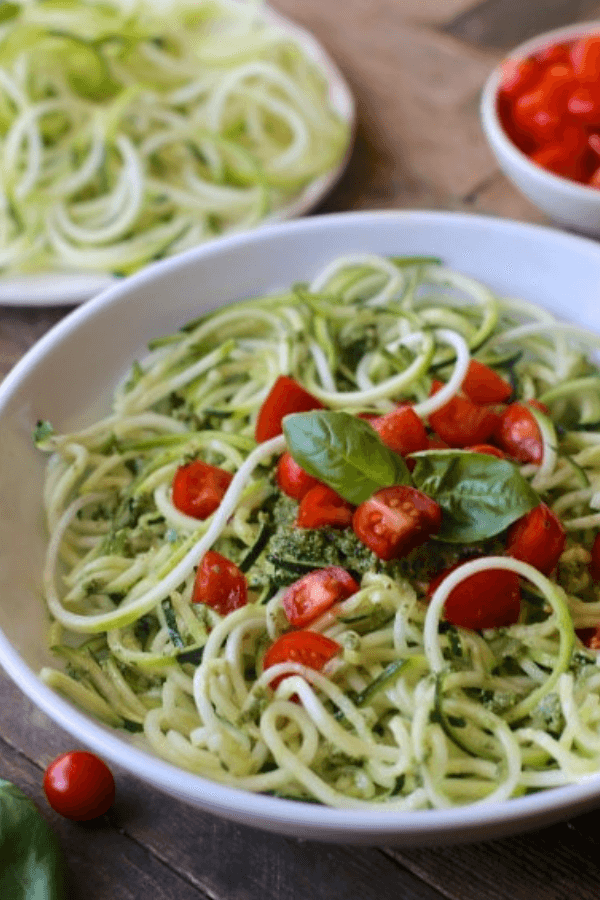
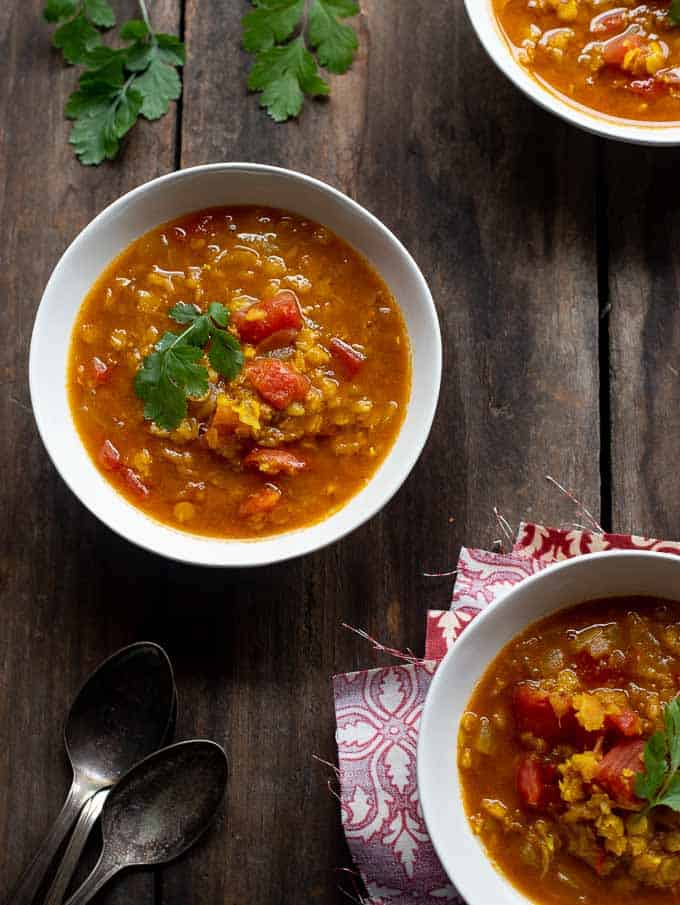
Classic Red Lentil Soup: The Vegan Bowl That Has Fed the World for Centuries

Red lentil soup is one of the oldest prepared foods in human history. Across the Middle East, the Indian subcontinent, the Mediterranean, and North Africa, variations of this humble, warming dish have nourished people for thousands of years. There is a reason for that longevity: it is one of the most satisfying, affordable, and nutritionally complete meals that can be prepared with minimal equipment and modest ingredients.

This version draws inspiration from the Turkish mercimek çorbası — a smooth, warmly spiced soup finished with a smoky red pepper and butter drizzle that transforms the bowl from simple to extraordinary. The drizzle takes less than two minutes to prepare, but it is the detail that elevates everything.

If you cook this soup once, you will understand why it has endured.

Ingredients (Serves 6)

  • 350g red lentils, rinsed thoroughly
  • 1 large onion, diced
  • 4 garlic cloves, minced
  • 2 medium carrots, diced
  • 2 stalks celery, diced
  • 1 can (400g) chopped tomatoes
  • 1.5 litres vegetable stock
  • 2 teaspoons ground cumin
  • 1 teaspoon ground turmeric
  • 1 teaspoon smoked paprika
  • ½ teaspoon ground coriander
  • ½ teaspoon chilli flakes
  • 3 tablespoons olive oil
  • Juice of 1 large lemon
  • Salt and black pepper to taste

For the red pepper drizzle:

  • 3 tablespoons olive oil or vegan butter
  • 1 teaspoon smoked paprika
  • ½ teaspoon chilli flakes

To serve: Fresh parsley or coriander, lemon wedges, warm flatbread

Method

Build the base: Heat olive oil in a large pot over medium heat. Add the onion, carrots, and celery with a pinch of salt. Cook for 10 minutes until softened. Add garlic and all the spices. Cook for one minute.

Add liquids: Add the chopped tomatoes and stir for two minutes. Add the rinsed lentils and vegetable stock. Bring to a boil, then reduce to a steady simmer. Cook uncovered for 20 to 25 minutes until the lentils have completely broken down and the soup is thick.

Blend: Use an immersion blender to blend about two-thirds of the soup, leaving some texture. Alternatively, blend all of it for a completely smooth result. Stir in the lemon juice and adjust seasoning.

Make the drizzle: In a small pan, heat the olive oil over medium heat. Add the smoked paprika and chilli flakes. Swirl for 30 seconds — the oil will turn a deep red and become fragrant. Pour immediately over the bowls of soup.

Serve: Ladle into warmed bowls, drizzle with the red pepper oil, and garnish with fresh herbs and lemon wedges. Serve with warm flatbread for dipping.

Nutrition and Storage

Red lentils are extraordinarily rich in plant-based protein, iron, and folate. They also cook faster than any other lentil variety and require no soaking. This soup provides approximately 18 grams of protein and 14 grams of fibre per serving, making it one of the most nutritionally efficient meals in plant-based cooking.

Refrigerate for up to five days or freeze for up to four months. It thickens considerably on storage — add stock or water when reheating.


Discover more warming plant-based recipes in our Website.
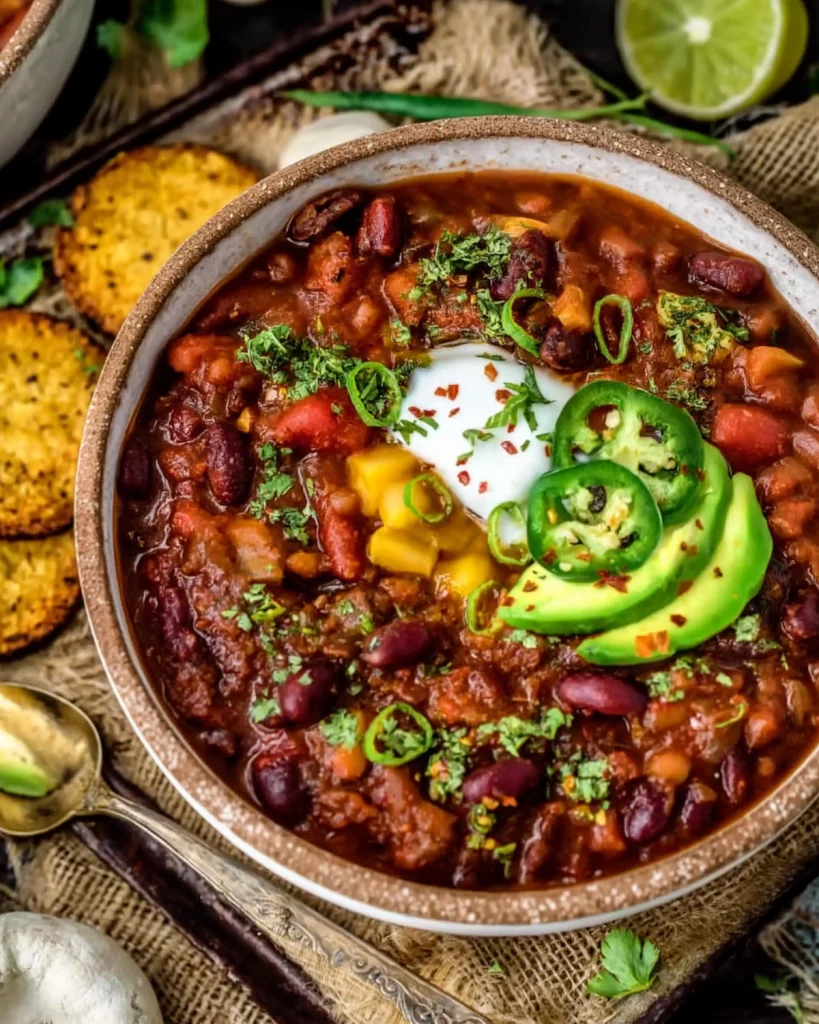
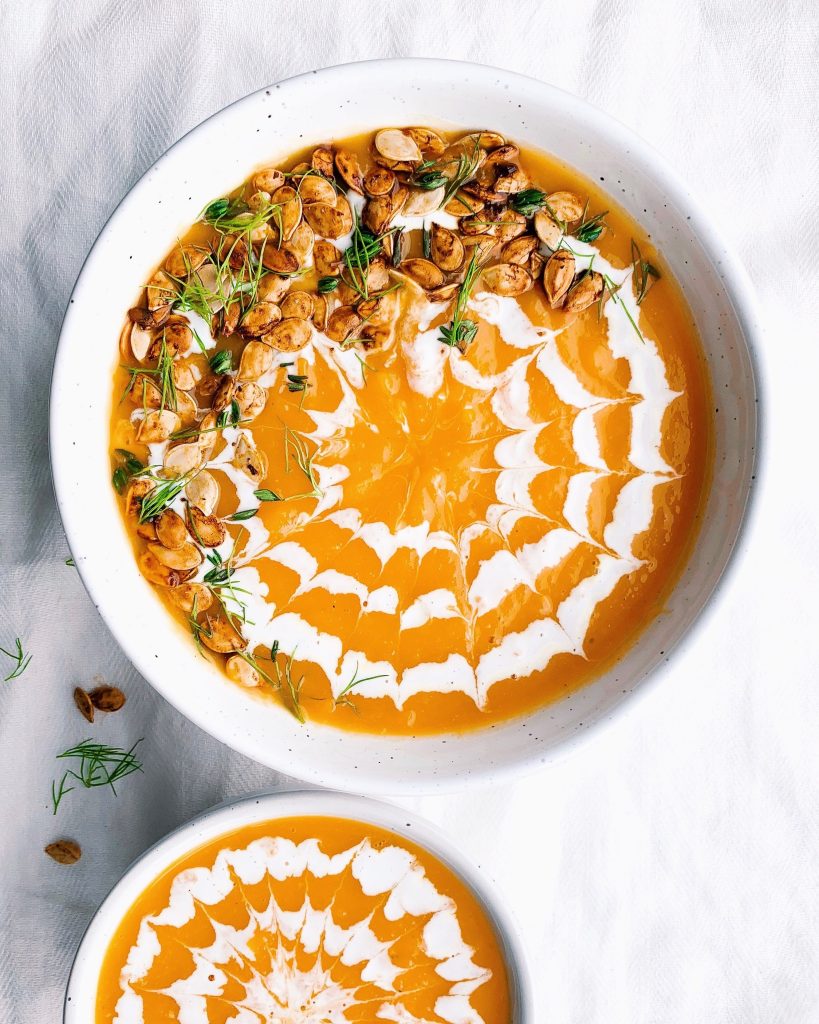
Roasted Butternut Squash Soup: The Vegan Bowl That Feels Like a Hug

There is a particular kind of afternoon — grey sky, cold air pressing at the windows, the day already feeling shorter than it should — where nothing matters more than a bowl of good soup. Not soup from a tin or a carton, but real soup: the kind that fills the kitchen with warmth while it is cooking, that smells like autumn itself, and that tastes like someone genuinely made it for you.

This roasted butternut squash soup is that soup. It is velvet-smooth, naturally sweet, subtly spiced, and finished with a swirl of coconut cream that adds a richness without heaviness. Roasting the squash before blending is the step that separates a good squash soup from a great one — it concentrates the sugars, caramelises the edges, and develops a depth of flavour that boiling simply cannot replicate.

This is also one of the most forgiving recipes you can make. The squash is difficult to overcook. The blending step is straightforward. And the final result is so consistently excellent that it has become my most-made soup of the autumn and winter seasons, and one of the first recipes I share when someone tells me they are curious about cooking more plant-based food.

Why Roasting Makes the Difference

When you boil butternut squash, the water draws flavour out of the vegetable into the cooking liquid. Some of that ends up in the soup, but much of the natural sugars and flavour compounds are diluted. When you roast it, the opposite happens: the moisture evaporates, the sugars concentrate and caramelise at the cut surfaces, and the squash develops a complexity that intensifies further when blended.

The same principle applies to the garlic and onion in this recipe. Roasting them alongside the squash — rather than softening them separately on the stovetop — gives the soup a mellow, slightly sweet base that is markedly different from the sharper flavour of raw-sautéed alliums.

If you have an extra twenty minutes, roast everything together. The soup will be better for it.

Ingredients (Serves 4–6)

  • 1 large butternut squash (approximately 1.2kg), peeled, seeded, and diced into 3cm chunks
  • 1 large onion, quartered
  • 6 garlic cloves, unpeeled
  • 3 tablespoons olive oil
  • 1 litre vegetable stock (good quality, ideally homemade or low-sodium)
  • 1 can (400ml) coconut milk or coconut cream
  • 2 teaspoons ground ginger
  • 1 teaspoon ground cumin
  • ½ teaspoon smoked paprika
  • ¼ teaspoon ground nutmeg
  • ¼ teaspoon ground cinnamon
  • Salt and black pepper to taste
  • 1 tablespoon apple cider vinegar or fresh lemon juice (to brighten)

To serve:

  • Coconut cream, swirled
  • Toasted pumpkin seeds
  • Chilli flakes or fresh red chilli
  • Fresh thyme or flat-leaf parsley
  • Crusty sourdough bread

Method

Step 1: Roast the Vegetables

Preheat your oven to 200°C (180°C fan). Arrange the diced squash and quartered onion on a large, lined baking tray. Scatter the unpeeled garlic cloves over the top. Drizzle generously with olive oil and season with salt and pepper. Toss everything to coat, then spread into a single layer.

Roast for 35 to 40 minutes, turning the squash once halfway through, until the squash is completely tender and beginning to caramelise at the edges, and the onion is golden and softened. The garlic cloves should feel completely soft when pressed. Remove from the oven.

Step 2: Prepare for Blending

Allow the roasted vegetables to cool for 5 minutes. Squeeze the roasted garlic from its skins directly into your blender or soup pot, discarding the papery husks. Transfer the squash and onion as well.

Step 3: Add the Spices and Blend

Add the ground ginger, cumin, smoked paprika, nutmeg, and cinnamon to the blender along with half the vegetable stock. Blend until completely smooth. If using an immersion blender, transfer everything to a large pot and blend directly in the pot. Work in batches if necessary to avoid overfilling a standard blender.

Step 4: Finish the Soup

Pour the blended soup into a large saucepan over medium heat. Add the remaining vegetable stock and the coconut milk, stirring to combine. Adjust the consistency with additional stock if the soup is thicker than you prefer. Simmer gently for 10 minutes to allow the spices to mellow and the flavours to integrate.

Add the apple cider vinegar or lemon juice — this small addition lifts the entire soup, cutting through the sweetness of the squash and the richness of the coconut. Taste carefully and adjust the salt, pepper, and spice levels.

Step 5: Serve

Ladle into warmed bowls. Add a swirl of coconut cream, a small handful of toasted pumpkin seeds, a pinch of chilli flakes, and fresh herbs. Serve immediately with crusty bread for dipping.

Warming Spice Combinations to Explore

The spice blend in this recipe is warming and gently exotic without being overwhelming. But there are several excellent variations worth exploring once you have made the base recipe:

Thai-inspired: Replace the spice blend with 2 tablespoons of red Thai curry paste and add a stalk of lemongrass to the roasting tray. Remove before blending.

Moroccan style: Use ras el hanout in place of the individual spices, and add a tablespoon of harissa to the finished soup for heat and complexity.

Classic autumn: Omit the ginger and cumin, increase the cinnamon and nutmeg, and finish with a drizzle of good maple syrup and a sprig of fresh sage fried crispy in butter.

Each variation produces a distinctly different soup while maintaining the same essential sweetness and silkiness of the base.

Nutrition and Wellness

Butternut squash is among the most nutrient-dense winter vegetables available. It is exceptionally rich in beta-carotene — the precursor to vitamin A — with a single cup providing well over the daily recommended intake. Vitamin A supports immune function, skin cell turnover, and eye health, making squash an especially valuable ingredient in the colder months when immune resilience is a priority.

The squash also provides meaningful amounts of vitamin C, potassium, magnesium, and dietary fibre. Coconut milk contributes medium-chain triglycerides — a form of saturated fat that is metabolised differently from long-chain fats and has been associated with improved energy metabolism in some research contexts.

Pumpkin seeds, used here as a garnish, are a concentrated source of zinc, magnesium, and plant-based omega-3 fatty acids. Even a small handful on top of each bowl adds genuine nutritional value alongside texture.

Storage and Meal Prep

This soup keeps well and is ideal for batch cooking. Refrigerate in sealed containers for up to five days. It thickens considerably on refrigeration — simply add a small amount of water or stock when reheating and stir to restore the original consistency.

To freeze, allow the soup to cool completely and portion into freezer-safe containers. Leave a small amount of headspace to allow for expansion. Freeze for up to four months. Thaw overnight in the refrigerator and reheat gently, stirring frequently to prevent the coconut milk from separating.

This soup also packs well in a thermos for work lunches or outdoor activities. Keep the toppings in a separate small container and add at the moment of serving.

Final Thoughts

A great soup is one of the simplest proofs that cooking well is not about complexity — it is about understanding your ingredients and giving them what they need. Butternut squash needs heat to become its best self. Spices need a moment to bloom. Acid needs to be added at the end to preserve its brightness.

Give this recipe those small attentions, and it will reward you with a bowl of soup that is genuinely, unreservedly excellent. Make a large pot. Share it if you can. Keep the rest for the days when you need it most.


Find more nourishing plant-based recipes in our Website.

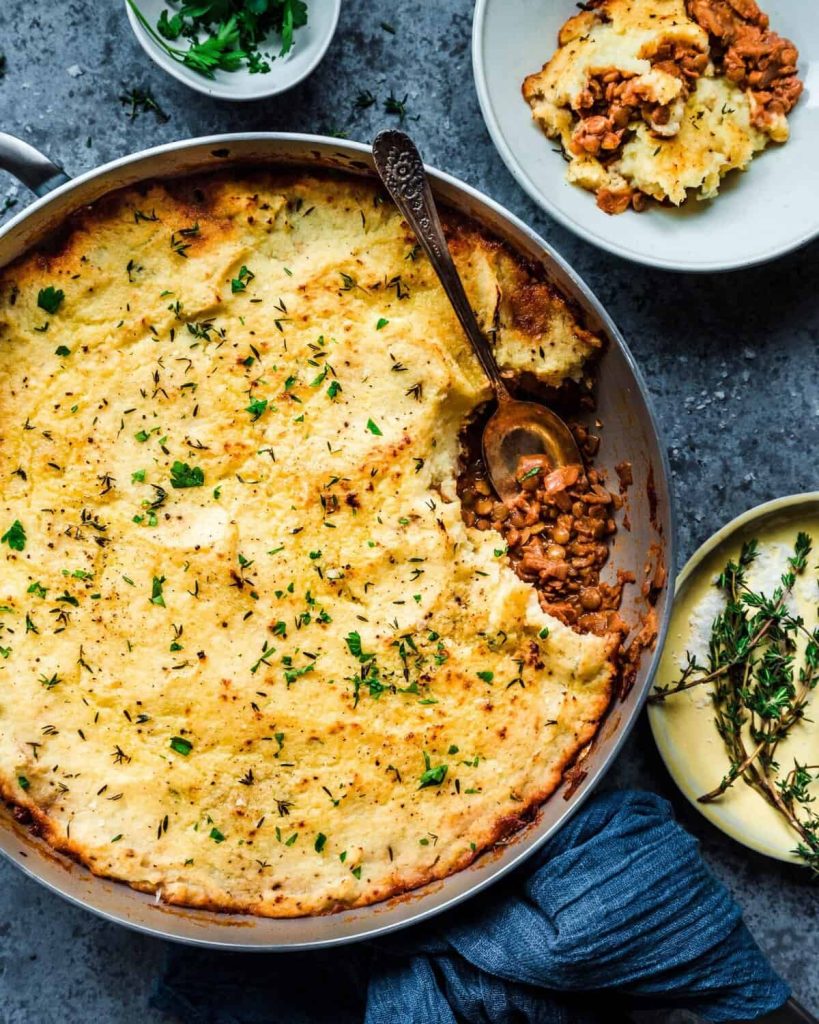
Vegan Shepherd’s Pie: The Ultimate Plant-Based Comfort Food

Few dishes carry the emotional weight of a shepherd’s pie. It is the kind of food that shows up at the table in winter, when the windows are fogged and the daylight is short, and it asks very little of you except that you sit down and eat. It is generous, warming, and deeply comforting — a meal that seems to understand what you need before you do.

This vegan version honours that spirit completely. The filling is built on lentils, mushrooms, and root vegetables slow-cooked in a rich, herbaceous gravy that is every bit as satisfying as the traditional lamb-based original. The topping is a cloud of creamy, golden mashed potato that blankets the filling and crisps beautifully in the oven. Together, they create a dish that I genuinely believe most people would struggle to identify as entirely plant-based.

The key to this recipe is the lentil and mushroom combination. Lentils provide body, protein, and a satisfying earthiness. Finely diced mushrooms — particularly if you allow them to cook down properly — take on an almost meaty texture and release a depth of umami flavour that forms the backbone of the filling. This is not a dish that imitates meat; it is a dish that builds its own compelling case.

Ingredients (Serves 6)

For the filling:

  • 250g green or brown lentils, rinsed (or 2 cans cooked lentils, drained)
  • 400g chestnut or portobello mushrooms, very finely diced
  • 2 medium carrots, diced into small cubes
  • 2 stalks celery, diced
  • 1 medium onion, finely diced
  • 4 garlic cloves, minced
  • 150g frozen peas
  • 2 tablespoons tomato paste
  • 2 tablespoons soy sauce
  • 1 tablespoon Worcestershire sauce (vegan version)
  • 250ml red wine or additional vegetable stock
  • 400ml vegetable stock
  • 2 tablespoons plain flour
  • 1 tablespoon fresh rosemary, finely chopped
  • 1 tablespoon fresh thyme leaves
  • 2 tablespoons olive oil
  • Salt and black pepper

For the mashed potato topping:

  • 1.2kg floury potatoes (Maris Piper or King Edward), peeled and quartered
  • 4 tablespoons vegan butter
  • 100ml unsweetened oat milk or plant milk of choice
  • 1 teaspoon Dijon mustard
  • Salt, white pepper, and a pinch of nutmeg

Method

Step 1: Cook the Lentils (if using dried)

If using dried lentils, place them in a saucepan with plenty of cold water. Bring to a boil and simmer for 20 to 25 minutes until tender but holding their shape. Drain and set aside. If using canned lentils, drain and rinse them and proceed directly to the filling.

Step 2: Build the Filling

Heat the olive oil in a large, deep pan or casserole over medium heat. Add the onion, carrots, and celery with a pinch of salt. Cook for 10 minutes, stirring occasionally, until softened. Add the garlic and cook for one more minute.

Turn the heat to high, add the diced mushrooms, and cook without stirring for two to three minutes to allow them to brown. They will release a lot of liquid — continue cooking, stirring occasionally, until this liquid has evaporated and the mushrooms are deeply golden. This step is essential for developing the meaty depth of the filling.

Reduce the heat to medium. Add the tomato paste and cook for two minutes, stirring. Sprinkle over the flour and stir well to coat everything — this will thicken the gravy. Add the red wine (or extra stock) and let it bubble for two minutes, then add the vegetable stock, soy sauce, Worcestershire sauce, rosemary, and thyme. Stir well.

Add the cooked lentils and stir to combine. Simmer over low heat for 15 to 20 minutes until the gravy is thick and rich. Add the frozen peas in the final two minutes of cooking. Taste and season generously with salt and black pepper.

Step 3: Make the Mashed Potato

While the filling simmers, cook the potatoes in a large pan of well-salted boiling water for 15 to 20 minutes until completely tender. Drain thoroughly, then return to the pan over low heat for one minute to steam off excess moisture — this step produces a fluffier mash.

Remove from heat. Mash until completely smooth. Add the vegan butter, plant milk, Dijon mustard, salt, white pepper, and a pinch of nutmeg. Beat with a wooden spoon until light and creamy. The mash should be rich and smooth — add more plant milk if needed to reach the right consistency.

Step 4: Assemble and Bake

Preheat your oven to 200°C (180°C fan). Transfer the filling to a large baking dish — approximately 30cm × 22cm — and spread it evenly. Spoon the mashed potato over the top, spreading it gently to cover the filling completely. Use a fork to create a ridged pattern across the surface — these ridges will catch the heat and crisp up beautifully in the oven.

Bake for 25 to 30 minutes until the mash is golden in places and the filling is visibly bubbling at the edges.

Step 5: Rest and Serve

Allow to rest for 5 to 10 minutes before serving — the filling will settle and become easier to portion. Serve with steamed green beans, tenderstem broccoli, or a simple green salad.

Why This Works Nutritionally

This dish is a nutritional complete meal in a single baking dish. Lentils are one of the most impressive sources of plant-based nutrition: a single cup provides around 18 grams of protein, 16 grams of dietary fibre, and substantial amounts of iron, folate, and potassium. They are also one of the most affordable sources of protein available, making this a dish that nourishes without straining a budget.

Carrots provide beta-carotene, celery contributes anti-inflammatory compounds, and mushrooms bring vitamin D and B vitamins to the mix. The potato topping, while primarily a source of comfort, also provides meaningful amounts of potassium and vitamin C — particularly when the skins are left on and the potatoes are cooked gently.

Storage and Freezing

This shepherd’s pie stores beautifully. Cover and refrigerate for up to four days, reheating portions in the oven at 180°C for 20 minutes or in the microwave. It also freezes exceptionally well — either as a whole assembled dish before or after baking, or in individual portions. Freeze for up to three months and thaw overnight in the refrigerator before reheating.

For best results when reheating from frozen, cover the dish with foil and bake at 180°C for 35 to 40 minutes, removing the foil for the final 10 minutes to re-crisp the topping.

Variations

Root vegetable topping: Replace half the potato with celeriac or parsnip for a more complex, slightly sweet topping that pairs particularly well with the herby filling.

Add red wine: If you have a bottle open, a generous splash of red wine added after the mushrooms caramelise adds a wonderful depth to the gravy. Let it reduce by half before adding the stock.

Sweeten the filling: A tablespoon of balsamic vinegar stirred through the filling at the end adds a gentle sweetness and extra complexity to the gravy.

Final Thoughts

There is a reason dishes like shepherd’s pie endure across generations and cultures: they are built on the principle of substance. They are designed to nourish, to warm, and to be genuinely enjoyed. This plant-based version does not diminish that purpose in any way — it carries it forward, with different ingredients and the same intention.

Make it for a cold evening. Make it for someone who thinks they do not like vegan food. Make it because you want something that will feed you well today and even better tomorrow.

It will do all of those things, and do them well.


Explore more warming plant-based recipes in our Website