May 2026

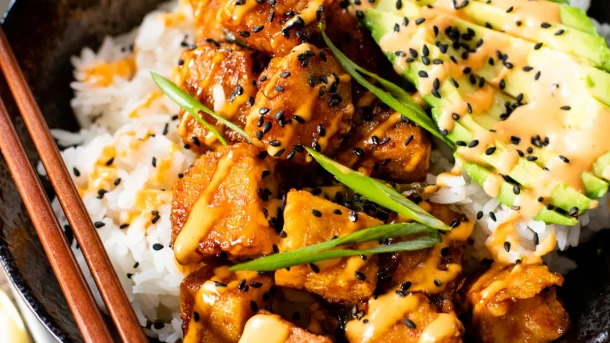
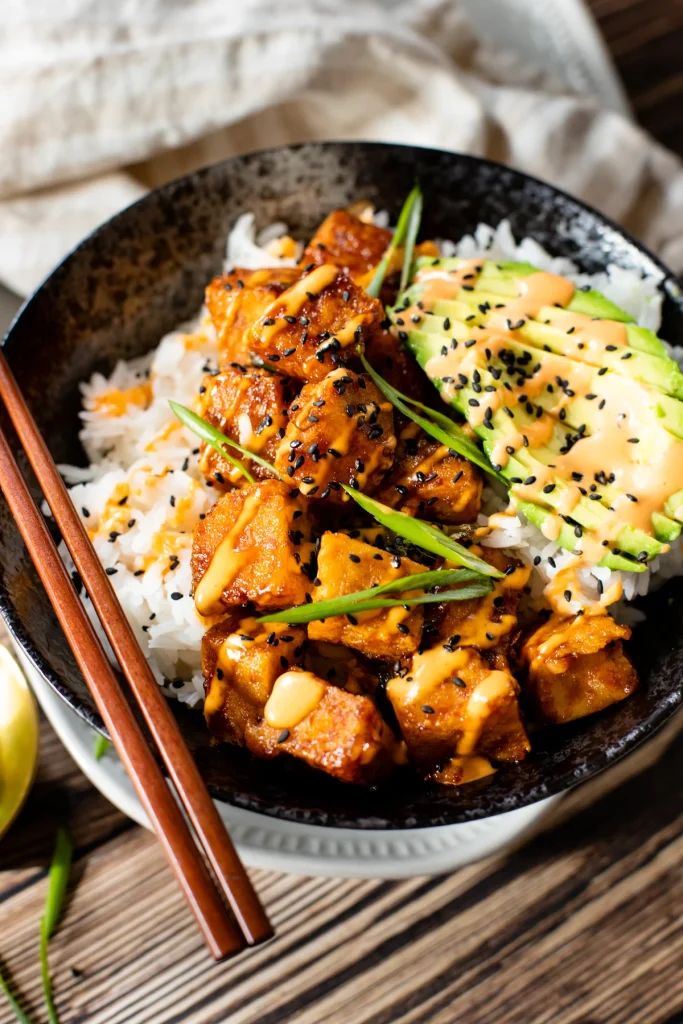
Sticky Sriracha Maple Tofu Bowl: The Sweet-Spicy Vegan Recipe

Make creamy vegan cottage cheese at home using tofu, cashews, or almonds. The breakout Google food trend of 2026 — high-protein, dairy-free, and more versatile than you think.
Make creamy vegan cottage cheese at home using tofu, cashews, or almonds.

Combination of flavours sticky, sweet, spicy and with an edge of acidity. It is the reason sriracha honey chicken became a restaurant menu staple. It is the reason sweet chilli sauce has a permanent place in most refrigerators. And it is the reason this sriracha maple tofu bowl has spent months as one of the most saved recipes across Pinterest food boards.

Served over coconut rice — which is fragrant, slightly sweet, and rich enough to balance the bold tofu — and finished with fresh cucumber, shredded carrot, avocado, sesame seeds, and coriander, this bowl is complete, balanced, and the kind of dinner that earns requests for repeats.

Why This Recipe Works as a Takeaway Alternative

The two main reasons people reach for takeaway are convenience and that specific quality of restaurant flavours — the boldness, the glaze, the richness — that feels difficult to replicate at home. This recipe addresses both.

The active cooking time is twenty minutes.Once you understand the method, it applies to almost any sauce. This sriracha maple version is a template.

On Pressing Tofu: Why It Is Not Optional

Every crispy tofu recipe includes the instruction to press the tofu, and it is the instruction most often skipped by people who are new to cooking with it. I want to be direct: pressing the tofu is the entire difference between this dish working and not working.

After pressing, tofu will develop a golden crust in hot oil in three to four minutes. Unpressed tofu will take much longer, brown unevenly, and potentially crumble hold its shape.

Ingredients (Serves 4)

Crispy tofu:

  • 400g -firm tofu, pressed for 30 minutes
  • 3 tablespoons cornstarch
  • 1 tablespoon soy sauce
  • 1 teaspoon garlic powder
  • 1 teaspoon smoked paprika
  • 2 tablespoons neutral oil (for frying)

Maple sauce:

  • 3 tablespoons sriracha (adjust to heat preference)
  • 3 tablespoons maple syrup
  • 2 tablespoons soy sauce or tamari
  • 1 tablespoon rice vinegar
  • 1 tablespoon sesame oil
  • 3 garlic cloves, very finely minced or grated
  • 1 teaspoon fresh ginger, grated
  • 1 teaspoon cornstarch (to thicken the sauce in the pan)
  • 2 tablespoons water

For the coconut rice:

  • 300g jasmine rice
  • 200ml full-fat coconut milk
  • 250ml water
  • ½ teaspoon salt
  • 1 teaspoon coconut sugar (optional)

For the bowl toppings:

  • 1 large cucumber, thinly sliced or diced
  • 2 medium carrots, grated or julienned
  • 1 ripe avocado, sliced
  • 4 spring onions, thinly sliced
  • 2 tablespoons toasted sesame seeds
  • A large handful of fresh coriander
  • 1 lime, quartered
  • Extra sriracha or chilli oil, to serve
  • Edamame (optional, for additional protein)

Method

Step 1: Cook the Coconut Rice

Rinse the jasmine rice the water runs clear. Combine the rinsed rice, coconut milk, water, and salt in a saucepan. Bring to a boil, stirring once. Reduce to the lowest possible heat, cover tightly, and cook for 15 minutes. Remove from heat and leave covered for 10 more minutes. Fluff with a fork — the rice will be fragrant, slightly sticky, and beautifully coconut-flavoured. Keep warm, covered.

Step 2: Make the Sriracha Maple Sauce

Whisk together sriracha, maple syrup, soy sauce, rice vinegar, sesame oil, garlic, ginger, cornstarch, and water in a small bowl. The sauce will look thin — the cornstarch will thicken it considerably and it hits the hot pan. Taste and adjust the sriracha level to your preferred heat.

Step 3: Prepare the Tofu

Cut the pressed tofu into cubes (approximately 2cm) or rectangles. Toss with the tablespoon of soy sauce, garlic powder, and smoked paprika. Spread the cornstarch on a plate and roll each piece of tofu to coat thoroughly — get into all the edges and surfaces. The cornstarch coating should be thin and complete.

Step 4: Fry the Tofu

Heat the neutral oil in a wide, non-stick or cast-iron pan over high heat. You want the oil genuinely hot — a small piece of tofu dropped in should sizzle immediately and vigorously. Add the tofu in a single layer, working in batches. Do not touch it for three to four minutes. it’s underside is deeply golden, turn each piece. Cook for two to three minutes on the second side. Remove from the pan and set aside on a plate.

Step 5: Make the Sauce in the Pan

In the same pan, reduce the heat to medium. Pour in the sriracha maple sauce. It will bubble immediately and thicken quickly from the corn-starch — stir constantly for 60 to 90 seconds the sauce coats the back of a spoon thickly. Add the fried tofu back to the pan and toss vigorously to coat every piece. The sauce should cling and caramelise slightly around each piece. Remove from heat immediately.

Step 6: Assemble the Bowls

Divide the coconut rice between four bowls. Pile the glazed tofu over the rice. Arrange the cucumber, grated carrot, sliced avocado, and edamame around the tofu. Scatter spring onions, sesame seeds, and coriander generously over everything. Add a lime wedge to each bowl.

Finish with an extra drizzle of sriracha or chilli oil for those who want more heat.

Making the Sauce Your Own

The sriracha maple sauce is a template, not a fixed formula. Once you understand the ratio — heat, sweet, salty, acidic — you can vary each element:

Gochujang maple: Replace sriracha with gochujang for a deeper, more fermented heat with less sharpness.

Mango sriracha: Add two tablespoons of mango purée to the sauce for a fruity-spicy-sweet variation that works beautifully in summer.

Peanut sriracha: Add one tablespoon of peanut butter to the sauce for richness and a nutty undertone.

Teriyaki style: Replace sriracha entirely with mirin and a little extra soy sauce for a sweet, mild, more traditional Japanese glaze.

Nutritional Value

This bowl is nutritionally complete in a way that rivals most structured meal plans. Tofu provides complete plant protein — approximately 18 grams per serving. Coconut rice supplies complex carbohydrates for sustained energy. Avocado contributes monounsaturated fats, potassium, and folate. Carrots provide beta-carotene. Cucumber contributes hydration and vitamin K. Edamame adds additional protein and fibre.

Sriracha contains capsaicin — associated with improved metabolism and anti-inflammatory effects in research — and garlic provides allicin, a compound with established antimicrobial and cardiovascular benefits.

This is a bowl that makes you feel as good as it tastes.

Meal Prep Notes

The components of this bowl are ideal for meal prep:

  • Cook a large batch of coconut rice at the start of the week. It keeps refrigerated for four days and reheats with a splash of water.
  • Press, cut, and coat the tofu with cornstarch up to 24 hours in advance. Store uncovered in the refrigerator the surface dries and produces an crispier crust.
  • Make the sauce in advance and refrigerate in a jar for up to a week.
  • Chop the vegetables and store in separate containers.

Assembly on any given evening takes five minutes.

Final Thoughts

What makes this bowl the kind of recipe that ends up saved, shared, and made repeatedly is the fact that it delivers restaurant-quality flavour through a home-cook-accessible technique. There is no specialist equipment, no obscure ingredient, and no technical skill that cannot be learned in the first attempt.

Make it once. Make it your own.


Find more trending plant-based bowl recipes and easy vegan dinners in our Website.
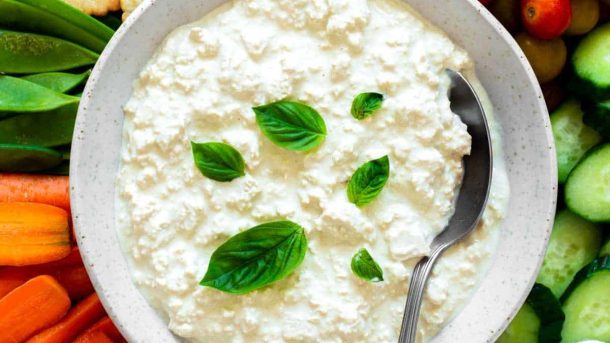
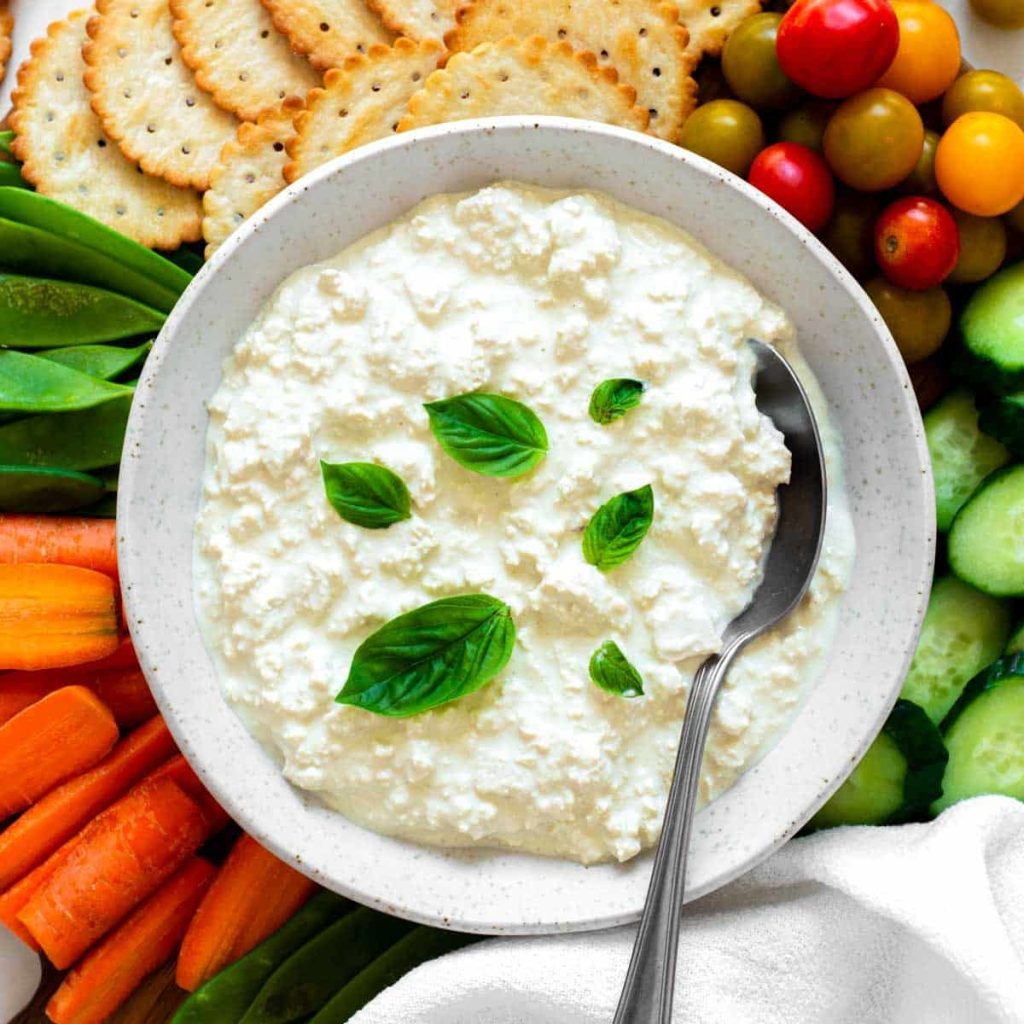
Vegan Cottage Cheese: How to Make the Breakout Food Trend of 2026 at Home (3 Ways)

This vegan pho recipe has a deeply fragrant, star anise-spiced broth and all the classic toppings — made entirely plant-based. The ultimate Vietnamese noodle soup recipe for healthy, soul-warming vegan dinners.

Sometimes a trend arrives so quietly that you almost miss it. There were no celebrity endorsements, no supermarket launches, no food media campaigns. Just thousands of people, independently and almost simultaneously, typing the same question into their search bars: “how do I make vegan cottage cheese?”

According to Google Trends analysis, vegan cottage cheese became one of the fastest-growing food search terms of 2025, continuing strongly into 2026. The interest was not driven by a single viral post or a notable product launch. It was driven by something more interesting: a genuine curiosity, widely shared, about whether the mild, creamy, high-protein versatility of cottage cheese could be replicated without dairy.

The answer, as this recipe demonstrates in three different ways, is a convincing yes.

Why Cottage Cheese Has Become the Ingredient of the Moment

Traditional cottage cheese experienced a significant cultural renaissance in 2024 and 2025, driven largely by the high-protein eating trend and the cottage cheese pancake and cottage cheese bowl content that flooded TikTok and Pinterest. For dairy eaters, it offered a high-protein, relatively low-fat food with mild flavour and remarkable versatility — usable in sweet and savoury contexts alike.

For plant-based eaters watching this trend from the sidelines, the question was natural: can I have this too?

Vegan cottage cheese is not a new idea — it has existed in whole-food plant-based cooking for years. But the sudden mainstream interest brought new creativity to the concept, and the versions that emerged from that creative pressure are genuinely excellent.

Three Versions of Vegan Cottage Cheese

This recipe presents three distinct approaches, each with different base ingredients, different textures, and different nutritional profiles. Choose based on what you have available, what you plan to use it for, and your own preferences.


Version 1: Tofu Cottage Cheese (Best for High Protein, Savory Uses)

This is the most nutritionally impressive version and the most convincing in terms of texture. Crumbled firm tofu has a natural lumpiness that closely mimics the curds of dairy cottage cheese.

Ingredients:

  • 400g firm tofu, drained (not pressed — you want it slightly moist)
  • 200g silken tofu
  • 2 tablespoons lemon juice
  • 1 tablespoon apple cider vinegar
  • 1 tablespoon nutritional yeast
  • 1 teaspoon onion powder
  • ½ teaspoon garlic powder
  • ½ teaspoon salt, or more to taste
  • 2 tablespoons unsweetened oat milk or plant milk (to adjust consistency)
  • Fresh chives, finely chopped (optional)

Method: Blend the silken tofu with the lemon juice, apple cider vinegar, nutritional yeast, onion powder, garlic powder, and salt until completely smooth — this forms the creamy base.

Crumble the firm tofu into the blended base using your hands, breaking it into irregular pieces of varying sizes — some small, some slightly larger — that mimic the curd structure of dairy cottage cheese. Do not blend again; fold gently with a spatula. Add the plant milk to reach your desired consistency. Fold in the chives if using. Taste and adjust salt and acid.

Refrigerate for at least one hour before serving — the flavours develop considerably, and the texture sets in a way that improves the overall result.

Protein per serving (½ cup): approximately 12–14 grams


Version 2: Cashew Cottage Cheese (Best for Creamy, Sweet Uses)

This version is richer, creamier, and more indulgent. The cashew base produces a texture closer to ricotta than cottage cheese, but it works beautifully in sweet contexts — on toast with fruit, in parfaits, in baking.

Ingredients:

  • 200g raw cashews, soaked for at least four hours, drained
  • 2 tablespoons lemon juice
  • 1 tablespoon apple cider vinegar
  • 1 tablespoon maple syrup (for sweet uses) or omit for savoury
  • ½ teaspoon salt
  • 60–80ml water
  • 100g silken tofu (optional, to add protein and lighten the texture)

Method: Blend all ingredients except the water until almost smooth. Add water, one tablespoon at a time, until you reach a thick, scoopable consistency. For a cottage-cheese-style texture, pulse rather than blend fully — leaving some slight texture.

Refrigerate for one hour before using. This version will keep for up to five days in a sealed jar.

Uses: Toast with sliced peach and honey alternative, layered in parfaits with granola and berries, as a filling for blintzes, in cheesecake as a ricotta substitute.


Version 3: Almond Cottage Cheese (Best for Budget-Friendly, Everyday Use)

Blanched almonds, soaked and blended with a cultured element, produce a mild, slightly textured cottage cheese alternative that is more affordable than cashews and works well in most savoury applications.

Ingredients:

  • 200g blanched almonds, soaked for 8 hours or overnight, drained
  • 2 tablespoons lemon juice
  • 1 tablespoon apple cider vinegar
  • 1 tablespoon vegan plain yoghurt (adds a cultured, tangy note)
  • ½ teaspoon salt
  • 1 teaspoon onion powder
  • 80–100ml water

Method: Blend all ingredients, starting with 80ml of water. Blend until smooth but slightly grainy — almonds will never achieve the silkiness of cashews, and that slight texture works in favour of the cottage cheese illusion. Adjust salt and acid. Refrigerate for at least two hours before using.


10 Ways to Use Vegan Cottage Cheese

Once you have a jar in the refrigerator, here is how to use it:

  1. On toast: With sliced avocado and everything bagel seasoning for a savoury breakfast.
  2. In a bowl: With fresh berries, a drizzle of maple syrup, and granola for a high-protein sweet breakfast.
  3. In pancakes: Fold into pancake batter for extra moisture and protein — the mildness works perfectly.
  4. As a dip: Season the tofu version with fresh herbs, garlic, and lemon zest for a vegetable dip.
  5. Stuffed pasta filling: Use in place of ricotta in stuffed shells or lasagne.
  6. In salad dressing: Blend with lemon juice, olive oil, and herbs for a creamy, protein-rich dressing.
  7. On baked potatoes: As a healthier alternative to sour cream or butter.
  8. In smoothies: A few tablespoons in a protein smoothie adds creaminess and protein without affecting flavour.
  9. With cucumber and dill: Sliced cucumber, fresh dill, and a squeeze of lemon — a simple, elegant snack.
  10. As a cheesecake base: The cashew version works beautifully as the filling for a no-bake vegan cheesecake.

The Nutritional Case for Vegan Cottage Cheese

Traditional dairy cottage cheese has long been celebrated for its high protein-to-calorie ratio. The tofu-based version holds up well in comparison. Per half-cup serving:

  • Tofu cottage cheese: ~12–14g protein, ~100 calories, high iron and calcium
  • Dairy cottage cheese: ~14g protein, ~110 calories
  • Cashew cottage cheese: ~5g protein, ~180 calories (higher in healthy fats)

The tofu version also provides isoflavones — phytoestrogens with demonstrated benefits for bone health and cardiovascular health in research contexts — along with calcium (particularly if made with calcium-set tofu), iron, and all essential amino acids.

The cashew and almond versions are lower in protein but higher in heart-healthy monounsaturated fats and vitamin E.

Storage

All three versions keep in a sealed jar in the refrigerator for four to five days. They do not freeze well — the texture suffers on thawing. Make smaller batches more frequently for the freshest result.

Final Thoughts

The vegan cottage cheese trend is worth paying attention to — not because it is particularly glamorous, but because it solves a real practical problem for plant-based eaters: the need for a mild, creamy, high-protein food that works across contexts and occasions, that requires no cooking, and that keeps conveniently in the refrigerator for several days.

Make the tofu version first. Use it on toast tomorrow morning. See how quickly the jar empties.


Find more trending high-protein vegan recipes and plant-based kitchen staples in our Website.

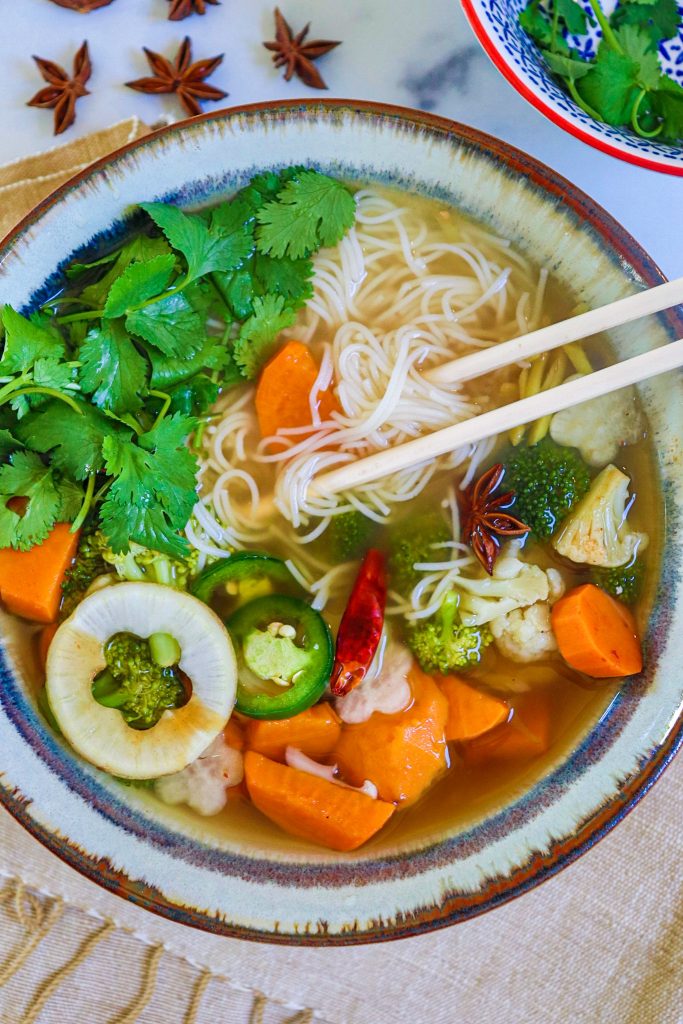
Vegan Pho Recipe: Fragrant Vietnamese Noodle Soup With a Broth

Make an authentic vegan bibimbap bowl at home with crispy tofu, rainbow vegetables, and homemade gochujang sauce. The trending Korean plant-based recipe everyone is making in 2026.

Pho is perhaps the most perfectly composed soup in the world. Not the most complex — there are broths that take longer, ingredients that are rarer, techniques that are more demanding. But in terms of the relationship between its elements — the clarity of the broth, the freshness of the herbs, the heat of the chilli, the give of the noodles, the depth of the aromatics — it achieves a balance that is almost mathematical in its precision.

Traditional pho is built on a beef bone broth simmered for hours with charred ginger and onion, star anise, cloves, cinnamon, and cardamom. The result is a broth of extraordinary fragrance and depth. The plant-based version presented here does not try to pretend that process away — instead, it replicates the flavour logic using roasted vegetables and dried mushrooms in place of bones, and the same charred aromatics and spice blend that give authentic pho its unmistakeable, warming fragrance.

The result is a vegan broth so good that it has become one of the most pinned and saved recipes across every major platform in 2025 and 2026. People who have eaten real pho in Hanoi find it convincing. People who are making pho for the first time find it manageable. It serves both audiences equally well.

The Key to the Broth: Charring the Aromatics

The step that most home cooks skip — and the step that most distinguishes authentic pho broth from an approximation — is the direct charring of the ginger and onion before they go into the pot.

Halve the ginger lengthways and the onion crossways. Place them cut-side down directly on a gas flame, under a hot grill, or in a dry cast-iron pan over maximum heat. Cook until the cut surfaces are deeply blackened — not lightly browned, but actually burnt. This char does two things: it removes the raw bite of the aromatics and replaces it with a deep, caramelised sweetness, and it contributes a subtle smokiness to the broth that is one of pho’s most characteristic background notes.

Do not be afraid of the blackening. It is correct and intentional.

Ingredients (Serves 4)

For the vegan pho broth:

  • 3 litres cold water
  • 20g dried shiitake mushrooms
  • 10g dried porcini mushrooms
  • 10g kombu seaweed
  • 3 medium onions, halved crossways
  • 8cm piece fresh ginger, halved lengthways
  • 1 large head of garlic, halved crossways
  • 2 medium carrots, roughly chopped
  • 3 stalks celery, roughly chopped
  • 3 tablespoons soy sauce or tamari
  • 2 tablespoons vegan fish sauce or additional soy sauce
  • 1 tablespoon dark soy sauce (for colour)
  • 1 tablespoon coconut sugar or brown sugar

The spice sachet (tie in muslin or use a tea infuser):

  • 4 star anise
  • 1 cinnamon stick (7cm)
  • 4 whole cloves
  • 3 cardamom pods, lightly crushed
  • 1 teaspoon black peppercorns
  • 1 teaspoon coriander seeds

For the bowl:

  • 400g flat rice noodles (bánh phở)
  • 300g extra-firm tofu, pressed and thinly sliced, pan-fried until golden
  • 200g baby bok choy, halved
  • 100g bean sprouts

For the table (traditional pho garnishes):

  • A large bunch of fresh Thai basil
  • A large bunch of fresh coriander
  • 2 fresh red chillies, thinly sliced
  • 2 limes, quartered
  • Hoisin sauce, to serve
  • Sriracha or chilli oil, to serve
  • Extra bean sprouts

Method

Step 1: Char the Aromatics

Place the halved onions, ginger, and garlic directly over a gas flame, under a grill on maximum heat, or in a very hot dry cast-iron pan. Cook until deeply charred on the cut surfaces — 3 to 5 minutes. Turn and char the skin side for another minute. The surfaces should be genuinely black, not just dark. Transfer to the soup pot.

Step 2: Build the Broth

In a large pot, combine the charred aromatics with the dried shiitake, porcini, and kombu. Add the carrots, celery, and 3 litres of cold water. Bring to a boil, then reduce to a low simmer. Skim any foam that rises in the first five minutes.

Add the spice sachet. Simmer gently, uncovered, for at least one hour — two hours produces a deeper, more developed broth. The kitchen will fill with one of the most extraordinary aromas imaginable.

Step 3: Strain and Season

Strain the broth through a fine-mesh sieve into a clean pot, discarding all solids (you can squeeze the mushrooms first to extract maximum flavour). The broth should be clear, amber-brown, and deeply fragrant.

Add the soy sauce, dark soy sauce, vegan fish sauce, and coconut sugar. Taste carefully and adjust — it should be savoury, slightly sweet, deeply aromatic, and clear in flavour. If it tastes flat, add a little more soy sauce. If it tastes too salty, add a splash of water.

Step 4: Prepare the Toppings

While the broth simmers, prepare the bowl elements. Pan-fry the sliced tofu in a little neutral oil until golden on both sides. Briefly blanch the bok choy in the simmering broth for 60 seconds, then remove. Cook the rice noodles according to packet instructions, drain, and rinse.

Step 5: Assemble

Warm your bowls. Divide the noodles between the bowls — they should fill about a third of the bowl. Arrange the tofu, bok choy, and bean sprouts over the noodles. Ladle the very hot broth over everything — it should fill the bowl and just cover the noodles. The heat of the broth will warm every component in the bowl.

Step 6: Serve with the Full Garnish Spread

Bring everything to the table at once: Thai basil, coriander, sliced chilli, lime wedges, hoisin sauce, and sriracha. Each person customises their bowl — this interactive element is part of what makes pho such a communal, enjoyable eating experience.

Squeeze lime over the broth before eating. Add basil and coriander directly into the bowl, allowing them to wilt slightly from the heat. Add chilli and hoisin to taste. Mix everything gently before eating.

The Patience Investment

I want to be clear: the broth takes time. One hour minimum, two hours for the best result. This is not an everyday weeknight recipe — it is a weekend project, a Sunday endeavour, a cooking meditation.

But the reward is proportional. The broth you produce after two hours of slow simmering is something you will not find in a packet or a store, and it will make every bowl of soup you serve remarkable.

Make a large batch — six to eight litres — and freeze it in portions. You will have vegan pho broth on hand for months, and each bowl thereafter takes less than fifteen minutes.

Nutrition

This soup is one of the most complete nutritional packages in Vietnamese cuisine. The broth, made with dried shiitake and kombu, is rich in iodine, B vitamins, and umami amino acids. Tofu provides complete plant protein. Bok choy delivers calcium, vitamin C, and folate. Bean sprouts are a source of vitamin C and easily digestible protein. Fresh Thai basil and coriander provide vitamin K and antioxidant compounds.

Rice noodles are naturally gluten-free and easy on digestion, making this a bowl that is both nourishing and gentle.

Final Thoughts

Pho is a dish with soul. It carries the flavours of an entire culture in a single bowl — the warmth of star anise, the fragrance of fresh herbs, the deep satisfaction of a long-simmered broth. Making it plant-based does not diminish any of that. It simply changes the source of the depth from bones to earth, and the result is no less extraordinary for the change.

Make it on a cold weekend. Set the table properly. Eat slowly.


Discover more warming international plant-based recipes in our Website.

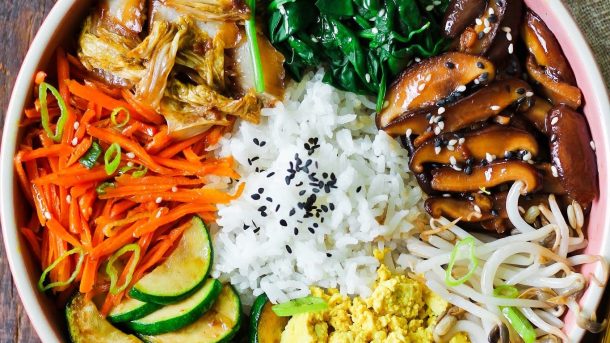
Vegan Korean Bibimbap Bowl: The K-Food Trend

Korean food has been having a global moment, and that moment shows no signs of slowing down. Driven in part by the worldwide reach of K-pop culture and in part by the extraordinary quality of the cuisine itself, Korean food has moved from niche to mainstream in kitchens across the globe. And at the centre of that movement — perhaps the most searched, most pinned, and most recreated Korean dish outside of Korea — is bibimbap.

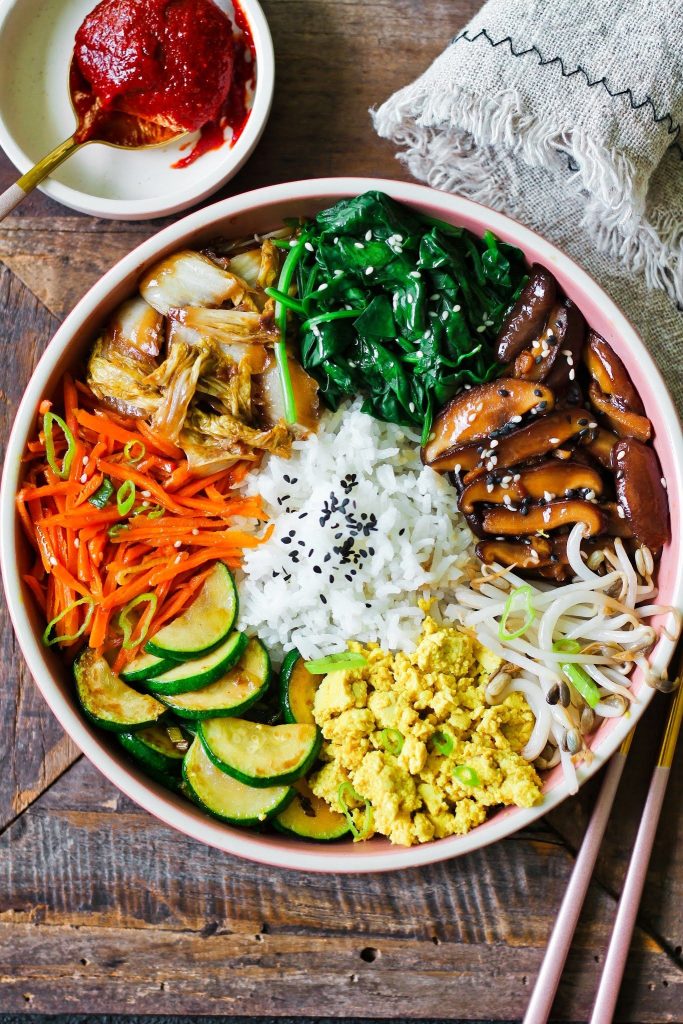
Bibimbap translates roughly as “mixed rice.” But that translation undersells it considerably. What it actually describes is one of the most elegant and satisfying rice dishes in any food culture: a bowl of warm rice topped with a rainbow of individually prepared vegetables, protein, a fried egg (or in this version, crispy tofu), and a dramatic drizzle of gochujang — a sweet-spicy fermented chilli paste that ties everything together in a way that produces genuine, repeated flavour revelations with each bite.

This plant-based version is completely authentic in spirit, deeply flavourful, and more achievable at home than it first appears. The components can be prepared in stages, and several can be made days in advance. It is a Sunday meal prep dream.

Understanding the Structure of Bibimbap

What makes bibimbap remarkable as a dish is its modularity. Unlike most bowl recipes where ingredients are combined and cooked together, bibimbap places each topping separately — which means each component retains its own distinct character, and the eater chooses how to mix them in each bite. You control the ratio. You decide when to stir the gochujang through. The bowl evolves from first bite to last.

The traditional components of a Korean bibimbap include: rice (always short-grain, always warm), namul (seasoned and sautéed vegetables), protein (egg or meat, here replaced with tofu), gochujang sauce, and sesame oil. Each namul is prepared individually — this is the most labour-intensive element, but it is also what gives the dish its textural and flavour range.

Ingredients (Serves 4)

For the crispy gochujang tofu:

  • 400g extra-firm tofu, pressed for at least 30 minutes
  • 2 tablespoons gochujang (Korean fermented chilli paste — check it is vegan)
  • 1 tablespoon soy sauce
  • 1 tablespoon maple syrup
  • 1 tablespoon sesame oil
  • 1 tablespoon rice vinegar
  • 2 garlic cloves, grated
  • 1 tablespoon cornstarch
  • 1 tablespoon neutral oil (for pan-frying)

For the bibimbap sauce:

  • 3 tablespoons gochujang
  • 2 tablespoons sesame oil
  • 1 tablespoon soy sauce
  • 1 tablespoon maple syrup or rice syrup
  • 1 tablespoon rice vinegar
  • 2 garlic cloves, grated
  • 1 teaspoon toasted sesame seeds
  • 2 tablespoons water (to loosen)

For the namul (seasoned vegetables) — prepare individually:

  • 200g baby spinach
  • 200g bean sprouts
  • 2 medium zucchini (courgettes), julienned
  • 2 medium carrots, julienned
  • 200g shiitake mushrooms, thinly sliced
  • Soy sauce, sesame oil, garlic, sesame seeds (for seasoning each namul)

For the bowl:

  • 400g short-grain white rice (or brown rice), cooked
  • 4 tablespoons toasted sesame seeds
  • 4 spring onions, thinly sliced
  • Kimchi (vegan version, optional but excellent)
  • Toasted nori, crumbled

Method

Step 1: Marinate and Cook the Tofu

Cut the pressed tofu into rectangles approximately 1cm thick. Combine gochujang, soy sauce, maple syrup, sesame oil, rice vinegar, and garlic in a bowl. Add the tofu and toss to coat. Marinate for at least 20 minutes (or overnight in the refrigerator for deeper flavour).

Dust the marinated tofu lightly with cornstarch. Heat neutral oil in a non-stick pan over high heat. Cook the tofu for three to four minutes per side until deeply caramelised and sticky. Set aside.

Step 2: Make the Bibimbap Sauce

Whisk together all sauce ingredients in a small bowl. Taste — it should be bold, spicy, sweet, and slightly sour. Adjust as desired. This sauce is powerful; a little goes a long way.

Step 3: Prepare the Namul

Each vegetable is seasoned and cooked separately. The standard seasoning for each is the same: a splash of soy sauce, a drizzle of sesame oil, a small amount of minced garlic, and sesame seeds. Adjust quantities to taste.

Spinach namul: Blanch the spinach in boiling water for 30 seconds. Drain, rinse with cold water, and squeeze firmly to remove all excess moisture. Season with soy sauce, sesame oil, a little garlic, and sesame seeds. Shape into a small mound and set aside.

Bean sprout namul: Blanch bean sprouts for two minutes. Drain, rinse, squeeze. Season identically to the spinach.

Zucchini namul: Sauté julienned zucchini in a little sesame oil over high heat for two to three minutes. Season with soy sauce and a pinch of salt.

Carrot namul: Sauté julienned carrot in a little sesame oil for three minutes until slightly softened but still holding texture. Season with soy sauce.

Shiitake mushroom namul: Sauté the sliced shiitake in sesame oil over medium-high heat for four to five minutes until golden. Add soy sauce and a little garlic. Cook for one more minute.

Step 4: Cook the Rice

Rinse the rice until the water runs clear. Cook using the absorption method: combine rinsed rice with water in a ratio of 1:1.2. Bring to a boil, cover, reduce to the lowest heat, and cook for 12 minutes. Remove from heat and steam, covered, for ten more minutes. Fluff gently with a fork.

Step 5: Assemble the Bibimbap

Use warmed bowls for the best result. Place a generous portion of rice in the centre of each bowl. Arrange the five namul in separate sections around the rice — the aesthetic arrangement is part of the tradition, with the different colours creating a rainbow effect. Place the crispy tofu in the centre or to one side. Add a spoonful of kimchi if using. Drizzle a generous tablespoon of bibimbap sauce over everything.

Sprinkle with toasted sesame seeds, spring onions, and crumbled nori. Serve with additional sauce on the side.

Step 6: Mix

This is the crucial and joyful step. At the table, mix everything together thoroughly — the rice, the vegetables, the tofu, the sauce. The act of mixing is both practical (distributing the sauce evenly) and characteristic (bibimbap means mixed rice). The bowl transforms completely when combined, and the flavours marry in a way that the separate components cannot achieve alone.

Make-Ahead and Meal Prep

Bibimbap is an outstanding meal prep recipe. The namul keep well in the refrigerator for three to four days in separate containers. The tofu can be cooked and refrigerated for up to three days. The sauce keeps for up to two weeks. When ready to eat, simply cook fresh rice and assemble — the meal comes together in five minutes.

This makes bibimbap one of the most practical healthy vegan meal prep recipes for the working week.

Nutrition

The nutritional range of a bibimbap bowl is extraordinary. Short-grain rice provides complex carbohydrates and energy. Tofu delivers complete plant protein. The five vegetable namul together contribute vitamins A, C, and K, iron, calcium, folate, and a range of phytonutrients and antioxidants. Sesame oil provides healthy monounsaturated fats and sesamin — a lignan with anti-inflammatory properties.

Gochujang contributes capsaicin — the compound responsible for chilli heat — which has been associated with improved metabolism and circulation in several research contexts. It is also naturally probiotic (the paste is fermented) and a source of vitamins B and C.

This bowl genuinely earns the description of a complete, balanced meal.

A Final Note on Gochujang

If you have never cooked with gochujang before, this recipe is the ideal introduction. It is one of the most versatile fermented condiments in any world cuisine — sticky, mildly spicy, complex, and slightly sweet. It works as a marinade, a glaze, a sauce base, and a condiment. Once you have a jar in your refrigerator, you will find uses for it constantly.

Buy a good-quality version (Korean-made is preferable) and check that it contains no fish sauce or shrimp paste for a fully vegan product — most standard versions are vegan, but it is worth verifying the label.


Explore more trending Korean-inspired plant-based recipes in our Website.

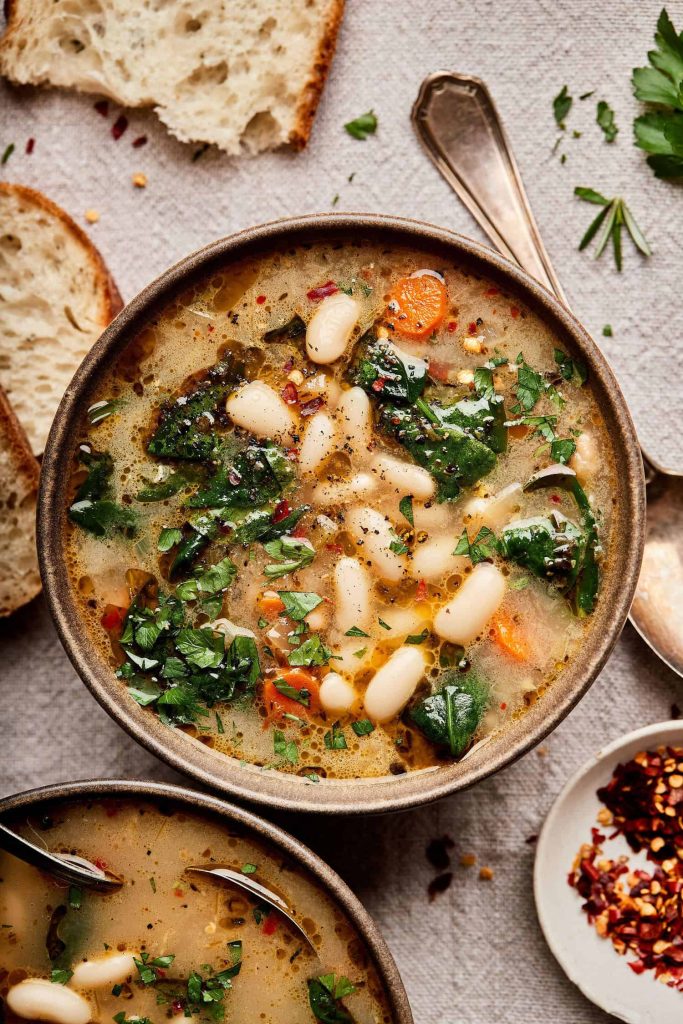
Tuscan White Bean and Kale Soup | Famous Vegan Comfort Bowl

This Tuscan white bean and kale soup is Pinterest's most-saved vegan soup recipe. One pot, 35 minutes, deeply nourishing and Italian-inspired. The best easy vegan dinner for cold nights.

There are recipes that belong to a season. And then there are recipes that belong to a feeling — the particular warmth of a kitchen on a cold evening, the smell of garlic and rosemary in olive oil, the quiet satisfaction of a bowl of soup that is somehow exactly what you needed without knowing you needed it. This Tuscan white bean and kale soup is the second kind.

The Italian Tradition Behind This Recipe

Ribollita — which translates roughly as “reboiled” — is the Tuscan peasant soup that forms the ancestral basis of this recipe. Traditionally made from leftover minestrone reboiled the following day with stale bread stirred through, it is the original waste-not cuisine: humble, thrifty, and unassumingly extraordinary.

This version draws from ribollita’s flavour architecture without its complexity or time investment. It borrows the white beans, the cavolo nero, the aromatics, and the slow-simmer instinct from the original and produces a soup that is ready in under forty minutes.

The bread is still welcome. It is encouraged.

Why Cannellini Beans Are the Right Choice

White beans — and specifically cannellini beans — have a quality that most other beans lack: they break down beautifully under low heat, releasing starch into the surrounding liquid that thickens the soup naturally without any added cream or flour. Pressing a small portion of the beans before adding them to the pot accelerates this process, producing a broth that is rich and almost creamy while remaining entirely whole-food.

Butter beans are an excellent alternative — their larger, creamier texture creates a slightly more indulgent result. Great Northern beans work well too. Avoid chickpeas in this recipe — their firmer texture and more assertive flavour disrupts the gentle, creamy balance the soup depends on.

Ingredients (Serves 6)

  • 3 cans (1.2kg) cannellini beans, drained (reserve the liquid from one can)
  • 200g cavolo nero (Tuscan kale) or regular curly kale, ribs removed, roughly chopped
  • 1 can (400g) chopped tomatoes
  • 1.2 litres good-quality vegetable stock
  • 1 large onion, finely diced
  • 6 garlic cloves, thinly sliced (not minced — sliced garlic behaves differently in oil)
  • 3 stalks celery, diced
  • 2 medium carrots, diced
  • 4 tablespoons good-quality extra-virgin olive oil, plus more to serve
  • 2 sprigs fresh rosemary
  • 3 sprigs fresh thyme
  • 1 bay leaf
  • 1 Parmesan rind (if not keeping fully vegan — adds extraordinary depth) or 3 tablespoons nutritional yeast
  • ½ teaspoon chilli flakes
  • 1 tablespoon white wine vinegar or lemon juice (to brighten at the end)
  • Salt and black pepper

To serve:

  • Thick-cut crusty bread or sourdough, toasted
  • Additional extra-virgin olive oil
  • Nutritional yeast or vegan Parmesan
  • Fresh flat-leaf parsley
  • Chilli flakes

Method

Step 1: Build the Soffritto

In a large, heavy-bottomed pot, heat the olive oil over medium-low heat. Add the onion, celery, and carrots with a generous pinch of salt. This is the soffritto — the Italian aromatic base that underpins the flavour of the entire soup. Cook slowly for 12 to 15 minutes, stirring occasionally, until the vegetables are completely soft, translucent, and beginning to turn golden. Do not rush this. The long, slow cooking sweetens the onion and concentrates the base.

Add the sliced garlic, rosemary, thyme, chilli flakes, and bay leaf. Cook for two more minutes until the garlic is fragrant and just beginning to colour.

Step 2: Add the Tomatoes

Add the chopped tomatoes and stir well. Increase the heat slightly and cook for five minutes, allowing the tomatoes to reduce and deepen in colour. This step removes the raw tomato edge and concentrates the umami.

Step 3: Prepare and Add the Beans

Drain two cans of beans and add them to the pot. With the back of a wooden spoon or a potato masher, press roughly one-third of the beans directly in the pot — this releases their starch and begins to build the creamy consistency. Drain the third can and add the beans whole. Pour the reserved bean liquid from one can into the soup — it adds body and flavour.

Add the vegetable stock and the Parmesan rind or nutritional yeast. Stir well.

Step 4: Simmer

Remove the Parmesan rind (if using), the rosemary and thyme sprigs, and the bay leaf.

Step 5: Add the Kale

Add the chopped kale in large handfuls, stirring after each addition. It will reduce dramatically in volume within seconds of hitting the hot broth. Simmer for five more minutes until the kale is completely wilted and tender but still a deep, vivid green.

Step 6: Finish and Serve

Add the white wine vinegar or lemon juice and stir. This final acidity is important — it brightens every flavour in the soup and lifts it from comforting to exceptional. Taste and season generously with salt and black pepper.

Ladle into deep bowls. Add a generous drizzle of good extra-virgin olive oil over the surface of each bowl — this is not optional. It is the Italian way, and it matters enormously to the final flavour. Scatter fresh parsley, chilli flakes, and nutritional yeast or vegan Parmesan. Serve with thick slices of toasted bread for dipping.

The Day-Two Phenomenon

This soup is excellent on the day it is made. It is transcendent on the second day. As it sits overnight, the beans continue to break down, the kale softens further, and the flavours from the rosemary and thyme permeate the entire pot in a way that active cooking cannot replicate. This is the ribollita principle: the best version of this soup is always the reboiled one.

Make a large batch intentionally. Reheat it the next day with a splash of water and eat it again. You will be glad you did.

Nutrition: Why This Soup Deserves Its Superfood Status

Cannellini beans are one of the most impressive nutritional packages in plant-based cooking: a single cup provides 17 grams of protein, 11 grams of dietary fibre, and very high levels of folate, iron, magnesium, and potassium. They are genuinely filling — the combination of protein and fibre produces sustained satiety that processed foods cannot match.

Cavolo nero (Tuscan kale) is arguably the most nutrient-dense leafy green available. It provides exceptional amounts of vitamins K, A, and C, along with calcium, iron, and glucosinolates — compounds with demonstrated protective effects against cellular damage. It also contains lutein and zeaxanthin, carotenoids that support long-term eye health.

Olive oil — used generously in both the cooking and serving of this soup — contributes oleocanthal, a compound with anti-inflammatory properties comparable in mechanism to ibuprofen, according to some research. This is the reason Mediterranean diets consistently show positive associations with cardiovascular health.

This bowl is medicine without tasting like it.

Storage and Freezing

Refrigerate in sealed containers for up to five days. The soup thickens considerably on cooling and may need water or stock when reheating — add gradually until the consistency returns to what you prefer.

To freeze: allow to cool completely. Freeze in portions for up to four months. Thaw overnight in the refrigerator and reheat gently, adding liquid as needed.

A Soup Worth Making in Volume

One of the small wisdoms of Italian home cooking is the batch-cook instinct — making more than you need today because you know tomorrow’s version will be better. This soup embodies that instinct entirely. Make a full pot. Share it if you can. Keep the rest.


Find more one-pot plant-based soups and vegan dinner ideas in our Website.

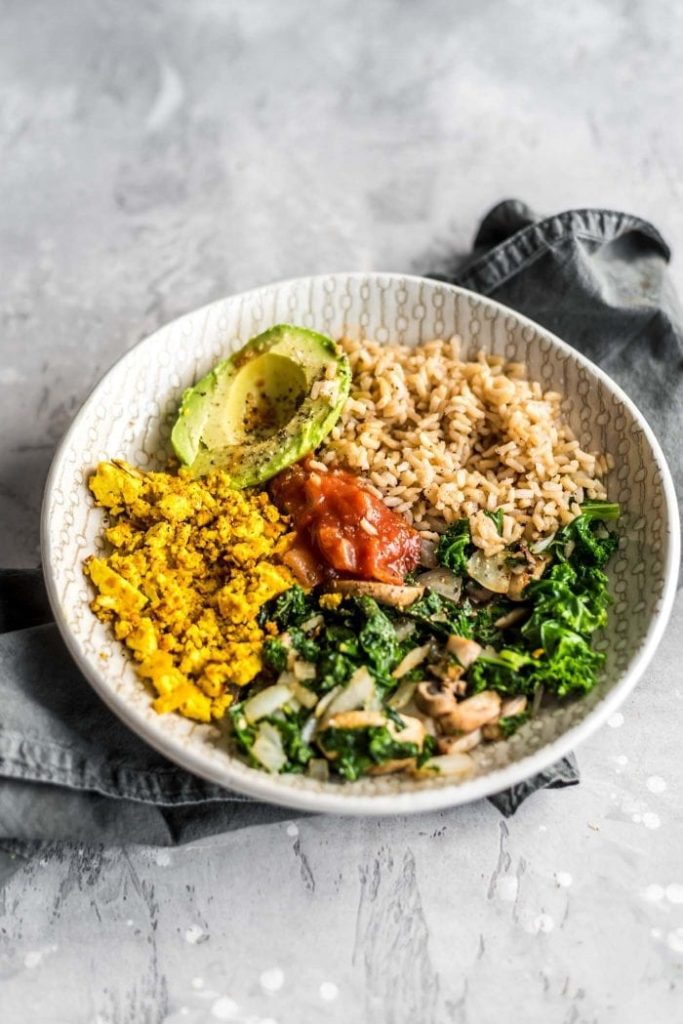
High-Protein Vegan Breakfast Bowl: 35g of Plant-Based Protein to Start Your Day Right

Protein is the conversation that will not quiet down. Walk into any gym, scroll through any nutrition forum, or open any food-focused social media feed in 2026, and protein is there — counted, celebrated, optimised. And for people eating a plant-based diet, the question that comes with it is always the same: how do I get enough? The answer begins at breakfast.

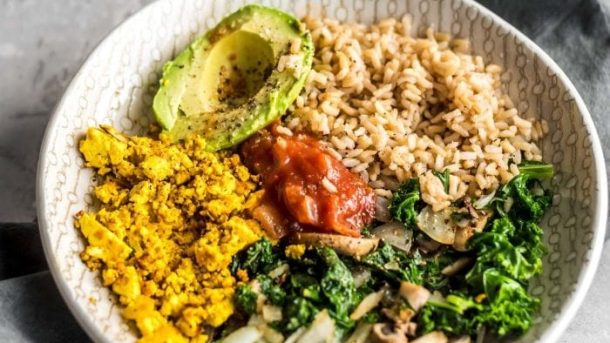
This high-protein vegan breakfast bowl was designed with one primary objective: to deliver serious protein content from whole, plant-based foods without resorting to powders, supplements, or manufactured protein products. Every ingredient earns its place nutritionally. And the result — a layered, flavourful, genuinely satisfying bowl — is something you will genuinely look forward to eating, rather than something you eat out of obligation.

At 35 grams of protein per serving, it outperforms most conventional breakfasts. It requires fifteen minutes to prepare. And it is as good to eat as it is good for you.

Why Protein at Breakfast Matters

Research on macronutrient timing is nuanced, but one finding has been replicated consistently: eating adequate protein at breakfast significantly improves satiety, reduces mid-morning hunger, and stabilises blood sugar levels throughout the morning. A high-protein breakfast has been associated with reduced overall calorie intake across the rest of the day — not through restriction, but through genuine, sustained fullness.

For plant-based eaters, the morning is an important opportunity to build toward daily protein targets. Most plant proteins are not consumed in the large, single-serving portions that animal proteins often are — they are accumulated across multiple meals and snacks. Starting the morning with a meaningful protein contribution makes the rest of the day significantly easier to manage.

The protein sources in this recipe are also genuinely complete or strategically combined: tofu and hemp seeds both contain all nine essential amino acids in meaningful quantities. Chickpeas and oats together cover a broad amino acid spectrum. You are not just getting quantity — you are getting quality.

The Protein Breakdown (Per Serving)

IngredientApproximate Protein
Scrambled silken tofu14g
Hemp seeds (3 tbsp)10g
Chickpeas (½ cup)7g
Oat milk (200ml)2g
Nutritional yeast (2 tbsp)4g
Total~37g

Ingredients (Serves 2)

For the turmeric scrambled tofu:

  • 400g firm silken tofu (or soft firm tofu, pressed lightly)
  • 2 tablespoons nutritional yeast
  • 1 teaspoon turmeric
  • 1 teaspoon garlic powder
  • ½ teaspoon onion powder
  • ½ teaspoon smoked paprika
  • 1 tablespoon soy sauce or tamari
  • 1 teaspoon Dijon mustard
  • 1 tablespoon olive oil
  • Salt and black pepper
  • Black salt (kala namak) — ¼ teaspoon, optional but adds an egg-like sulphurous note

For the crispy spiced chickpeas:

  • 1 can (400g) chickpeas, drained, rinsed, and thoroughly dried
  • 1 tablespoon olive oil
  • 1 teaspoon smoked paprika
  • ½ teaspoon cumin
  • ½ teaspoon garlic powder
  • ¼ teaspoon cayenne
  • Salt

For the base and toppings:

  • 2 slices thick sourdough bread, toasted
  • 1 large avocado, halved and sliced
  • 3 tablespoons hemp seeds
  • 2 tablespoons nutritional yeast (additional)
  • A handful of baby spinach or rocket
  • Cherry tomatoes, halved
  • Fresh chives or spring onion
  • Lemon wedge
  • Chilli flakes
  • Extra virgin olive oil drizzle

Method

Step 1: Crispy Chickpeas (25 minutes, mostly hands-off — start these first)

Preheat the oven to 200°C (180°C fan). This is the most important step: the chickpeas must be completely dry before roasting. Spread the drained chickpeas on a clean tea towel and rub vigorously until no visible moisture remains. If any skins come loose, remove them — skinless chickpeas crisp more evenly.

Toss the dried chickpeas with olive oil, smoked paprika, cumin, garlic powder, cayenne, and salt. Spread in a single layer on a lined baking tray. Roast for 25 minutes, shaking the tray once at the 15-minute mark, until golden, crispy, and completely dried through. They will crisp further as they cool — do not judge their crunchiness straight from the oven.

Step 2: Scramble the Tofu

Combine nutritional yeast, turmeric, garlic powder, onion powder, smoked paprika, soy sauce, and Dijon mustard in a small bowl to make a seasoning paste.

Heat the olive oil in a non-stick pan over medium-high heat. Crumble the tofu directly into the pan using your hands — aim for irregular pieces of varying sizes that mimic the look of scrambled eggs. Do not stir immediately. Allow the tofu to sit undisturbed for two minutes to develop some colour on the base.

Add the seasoning paste and fold it through the tofu gently. Continue cooking for three to four more minutes, folding occasionally, until the tofu is heated through and beginning to catch slightly at the edges. Add the black salt if using. Taste and adjust salt and pepper.

Step 3: Assemble the Bowl

Toast the sourdough and place on a plate or in a bowl. Arrange the scrambled tofu to one side. Layer with sliced avocado, a handful of baby spinach or rocket, and halved cherry tomatoes. Add a generous spoonful of the crispy chickpeas. Scatter hemp seeds generously over the entire bowl — they should be present in almost every bite.

Add an additional sprinkle of nutritional yeast, fresh chives, chilli flakes, and a squeeze of lemon. Finish with a drizzle of good extra virgin olive oil.

Vegan Breakfast Meal Prep: Making This Work on Busy Mornings

The scrambled tofu can be made in advance and refrigerated for up to three days. Reheat in a non-stick pan over medium heat with a small splash of water, stirring until warm. The texture will remain excellent.

The crispy chickpeas keep at room temperature in an airtight container for three to four days. Add them to the bowl cold and fresh from the container — they hold their crunch well.

With these components prepared, assembling the bowl each morning takes five minutes. That is fast enough for any weekday.

Variations for Different Goals

For weight loss: Omit the sourdough toast and serve the scrambled tofu over a base of baby spinach with the chickpeas and hemp seeds on top. This reduces carbohydrates significantly while keeping protein and satiety high.

For muscle gain: Add a second slice of toast, double the hemp seeds, and include a 200ml glass of fortified oat milk alongside the bowl. This version pushes total protein toward 50 grams.

For a quicker version: Replace the roasted chickpeas with canned chickpeas tossed cold in olive oil and spices. You sacrifice crunch for convenience — a reasonable trade on a busy morning.

Gluten-free version: Replace the sourdough with a slice of gluten-free bread or serve over cooked quinoa for an equally protein-rich, completely gluten-free option.

The Hemp Seed Argument

Hemp seeds deserve more than the brief mention they get in most recipes. They are one of the most nutritionally complete foods available — containing all nine essential amino acids in proportions that closely match human protein needs, which is rare in the plant kingdom. Three tablespoons (30g) provide ten grams of protein, nine grams of healthy fats (including an ideal ratio of omega-3 to omega-6), and meaningful amounts of magnesium, phosphorus, and zinc.

They require no preparation. They have a mild, pleasant, slightly nutty flavour that works with almost anything. They are the single easiest upgrade to any vegan meal.

If you take nothing else from this recipe, add hemp seeds to your morning routine. They will make a measurable difference to how you feel.

Frequently Asked Questions

Is tofu a good protein source? Yes — it is one of the best. Tofu is a complete protein, meaning it contains all essential amino acids. The protein content varies by firmness: firm tofu provides approximately 8–10 grams per 100g; silken tofu provides somewhat less.

Can I make this egg-free AND soy-free? Yes. Replace the tofu scramble with mashed chickpeas seasoned with turmeric, nutritional yeast, black salt, and smoked paprika. The protein content decreases slightly but remains substantial.

What is black salt (kala namak) and where do I find it? Black salt is a volcanic rock salt from South Asia with a distinctive sulphurous aroma that closely resembles the smell and flavour of cooked eggs. Find it at Indian grocery stores or online. A small amount makes tofu scramble genuinely egg-like.


Browse more high-protein plant-based meals and vegan breakfast ideas in our Website.

Vegan Dubai Chocolate Bark

If you have been anywhere near food social media in 2025 and 2026, you already know about Dubai chocolate. The Bar, created by Fix Dessert Chocolatier in Dubai, became perhaps the most talked-about confectionery item of the decade — a thick slab of premium chocolate filled with a layered combination of pistachio cream and crispy, golden kataifi pastry that produces, upon the first bite, a sound and texture combination so satisfying it borders on absurd.

The original sold out within minutes of each release. People flew to Dubai specifically to taste it. Videos of the snap — that deeply satisfying crack through the chocolate shell — accumulated hundreds of millions of views.

Now the question everyone is asking is: can I make it at home? And more specifically: can I make it vegan?

The answer to both is a resounding yes. This recipe creates a fully plant-based version of the Dubai chocolate bar — made with dark chocolate, homemade pistachio cream, and oven-crisped kataifi — that captures every element of the original experience. The snap is there. The filling is extraordinary. And the entire thing costs a fraction of the price.

What Makes Dubai Chocolate Different from Every Other Chocolate Bar

The genius of the Dubai chocolate bar lies in its textural architecture. Most filled chocolates are soft inside — ganache, caramel, fondant. The Dubai bar inverts that expectation entirely by placing a crispy, toasted element at its centre. The kataifi — a fine, vermicelli-like shredded pastry used across Middle Eastern and Greek cuisines — is toasted in butter until it becomes light, crackling, and golden, then mixed with pistachio cream. When enclosed in chocolate and chilled, it maintains its crunch. Each bite delivers simultaneously: the snap of chocolate, the give of the pistachio cream, and the crunch of the kataifi.

It is an experience rather than simply a flavour.

Finding the Ingredients

Kataifi pastry is available in Middle Eastern grocery stores, many specialty food shops, and increasingly in larger supermarkets in the frozen pastry section. If unavailable, very fine vermicelli pasta toasted in butter produces a reasonable substitute — it lacks the exact texture but captures the spirit.

Pistachio cream or pistachio paste can be found in specialty food stores, online, or made at home (recipe included below). It is distinct from pistachio butter — richer, smoother, and slightly sweeter.

Vegan butter replaces the regular butter used in most versions for toasting the kataifi. A high-quality vegan butter (such as Miyoko’s or Naturli) works excellently here.

Dark chocolate (70% or above) is naturally vegan. Check the label for dairy additions, which are present in some brands. Good-quality couverture chocolate produces the best snap and shine.

Ingredients (Makes 6–8 bars or one large 30cm × 20cm bark)

For the chocolate shell:

  • 500g dark chocolate (70%+ cocoa, vegan), finely chopped
  • 1 tablespoon coconut oil (optional, for a smoother, shinier chocolate)

For the pistachio filling:

  • 200g pistachio cream or paste (store-bought or see homemade recipe below)
  • 2 tablespoons tahini (adds depth and smooths the texture)
  • 1 tablespoon maple syrup
  • A pinch of sea salt
  • ½ teaspoon vanilla extract

For the crispy kataifi:

  • 150g kataifi pastry (or very fine vermicelli as substitute), thawed if frozen
  • 3 tablespoons vegan butter
  • A pinch of sea salt
  • 1 teaspoon maple syrup (optional, for a slightly caramelised finish)

For the homemade pistachio cream (if making from scratch):

  • 250g raw unsalted pistachios
  • 3 tablespoons coconut cream
  • 2 tablespoons maple syrup
  • 1 tablespoon neutral oil
  • ½ teaspoon vanilla extract
  • A pinch of salt

Method

Step 1: Make the Pistachio Cream (if making from scratch)

Soak the raw pistachios in hot water for 15 minutes. This softens them and makes the skin removal easier — though removing skins is optional; it simply produces a greener, more vibrant cream.

Drain and dry the pistachios thoroughly. Transfer to a high-speed blender or food processor. Blend on high for 3 to 5 minutes, stopping to scrape the sides every minute. Add the coconut cream, maple syrup, oil, vanilla, and salt. Continue blending until completely smooth and silky. The cream should flow slowly from a spoon. Add a small amount of additional oil if it seems too thick. Transfer to a jar and refrigerate until needed.

Step 2: Toast the Kataifi

Separate and loosely pull apart the kataifi strands — they are tangled when frozen and need to be loosened before cooking.

Melt the vegan butter in a wide, non-stick pan over medium heat. Add the kataifi and a pinch of salt. Cook, stirring frequently, for 8 to 10 minutes until deeply golden and crispy throughout — not just at the edges. The kataifi should be uniformly bronzed and smell of toasted pastry. Remove from heat, add the maple syrup if using, and toss to coat. Allow to cool completely on a plate. It will crisp further as it cools.

Step 3: Make the Filling

Combine the pistachio cream, tahini, maple syrup, vanilla, and salt in a bowl. Stir until smooth and well combined. Fold in about three quarters of the cooled toasted kataifi, reserving the rest for the top. The mixture should be thick and textured.

Step 4: Temper the Chocolate

For the best snap and shine, tempering the chocolate is recommended — though if you are making this as a refrigerated bark rather than individual bars, you can skip this step.

For a simple temper: Melt two-thirds of the chocolate in a heatproof bowl set over barely simmering water, stirring until it reaches 45°C. Remove from heat, add the remaining chopped chocolate, and stir until melted and the temperature drops to 27°C. Return briefly to the heat to bring it to 31°C for dark chocolate. The coconut oil, if using, can be added at this stage.

For a simpler version: simply melt all the chocolate with the coconut oil in a microwave in 30-second intervals, stirring between each, until just melted and smooth.

Step 5: Assemble

Line a 30cm × 20cm baking tray (or individual bar moulds) with parchment paper. Pour half the melted chocolate across the base and tilt to spread evenly. Refrigerate for 10 minutes until just set.

Remove from the refrigerator. Spread the pistachio-kataifi filling evenly over the set chocolate layer, leaving a small border around the edges. Pour the remaining chocolate over the top, spreading gently to cover the filling completely. Scatter the reserved toasted kataifi over the surface while the chocolate is still soft. Sprinkle with flaky sea salt.

Step 6: Set and Slice

Refrigerate for a minimum of two hours until completely set. For individual bars, score the chocolate with a warm knife before fully set, then cut through once fully hardened. For bark, break into irregular shards.

The Famous Snap: Tips for Success

The video-worthy snap that made Dubai chocolate famous depends on properly crystallised chocolate. If your chocolate snap is soft or bendy rather than clean and sharp, the chocolate was not tempered correctly. For home cooks who find tempering challenging, the simplest solution is to use a high-quality chocolate (at least 70% cocoa) and allow the bark to come to room temperature for 15 minutes before cutting — this prevents shattering.

Storage

Store the finished bars or bark between layers of parchment in an airtight container in the refrigerator for up to two weeks. Remove from the refrigerator 10 minutes before eating — the pistachio cream is at its best flavour and texture when slightly above fridge temperature.

Do not freeze the assembled bars — the kataifi loses its crunch on thawing.

Nutritional Notes

Dark chocolate (70%+) provides flavanols — potent antioxidants with demonstrated benefits for cardiovascular health, including improved blood flow and reduced LDL oxidation. Pistachios are one of the most nutritionally complete tree nuts, providing complete protein, heart-healthy monounsaturated fats, vitamin B6, and potassium. Tahini adds calcium, iron, and additional healthy fats.

This is a dessert, not a health food — but it is one made from genuinely wholesome ingredients with real nutritional value.

Why This Belongs on Your 2026 Recipe List

The Dubai chocolate represents something significant in the food trend landscape: the mainstreaming of Middle Eastern flavours and ingredients. Kataifi, pistachio cream, and the broader flavour language of the Levant and Gulf regions are increasingly finding their way into global kitchens, and rightly so — they are extraordinary.

Making this recipe is also an entry point into ingredients and techniques that will expand your cooking in valuable ways. Once you have made pistachio cream and toasted kataifi, you will find uses for them far beyond this single recipe.

Make a batch. Gift them. Eat them slowly. Film the snap.


Discover more trending plant-based desserts and viral vegan recipes in our Website.

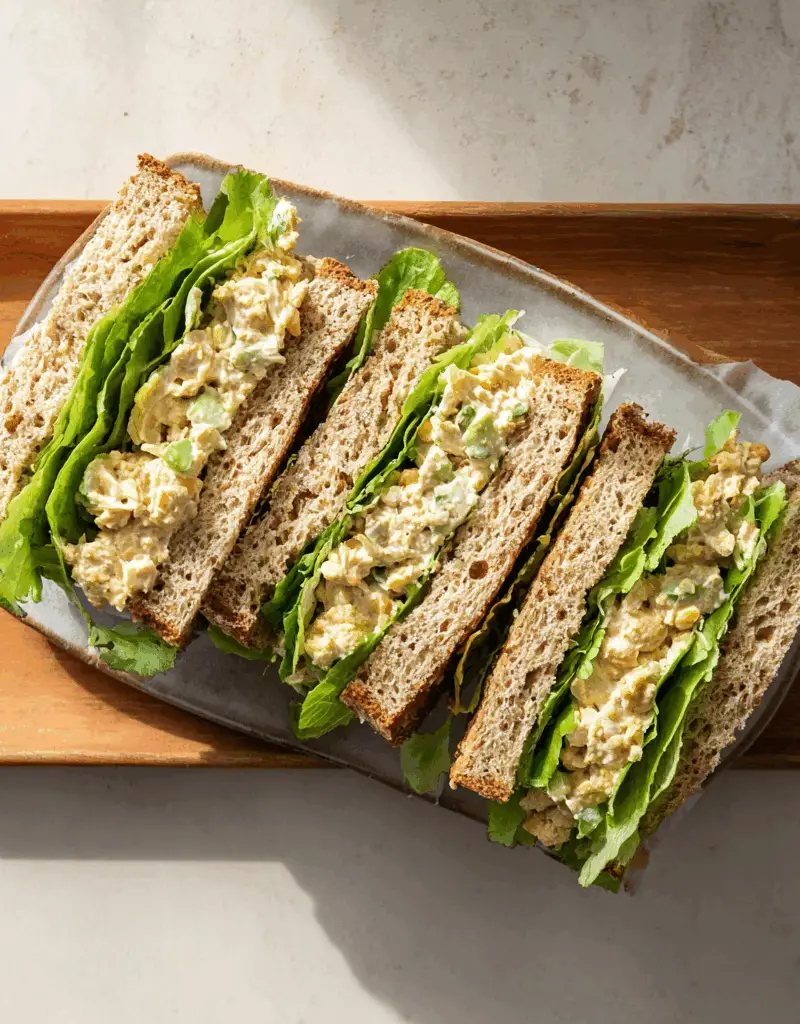
Chickpea “Tuna” Salad

The chickpea tuna salad works as a sandwich filling, a wrap, a stuffed avocado, a topping for crackers, or simply eaten from a bowl with a fork. It is the definition of a workhorse recipe.

The Secret: The Brine

The detail that separates a good chickpea tuna salad from a great one is the use of nori or seaweed-based seasoning. Fresh tuna has an oceanic, mineral quality that is entirely specific — and chickpeas, on their own, do not have it. The addition of half a sheet of crumbled nori, or a teaspoon of seaweed flakes, or a small amount of dedicated vegan fish sauce introduces that characteristic oceanic depth in a way that changes the entire character of the dish.

If you have ever made a chickpea tuna salad without this element and found it slightly flat, this is why. Add the nori. It matters.

Ingredients (Serves 4, or 2 generously)

For the chickpea “tuna”:

  • 2 cans (800g total) chickpeas, drained (reserve the aquafaba liquid — it is useful)
  • ½ sheet nori, crumbled very finely (or 1 teaspoon dried seaweed flakes)
  • 1 tablespoon capers, roughly chopped
  • 1 tablespoon caper brine
  • ½ red onion, very finely diced
  • 2 stalks celery, very finely diced
  • 2 tablespoons fresh dill, chopped (or 1 teaspoon dried)
  • 1 tablespoon fresh parsley, chopped

For the creamy dressing:

  • 4 tablespoons vegan mayonnaise
  • 1 tablespoon Dijon mustard
  • 1 tablespoon lemon juice, freshly squeezed
  • 1 teaspoon apple cider vinegar
  • ½ teaspoon garlic powder
  • ½ teaspoon onion powder
  • Salt and cracked black pepper to taste

To serve:

  • Sourdough bread, toasted
  • Butter lettuce leaves
  • Sliced tomato and cucumber
  • Avocado, mashed or sliced
  • Crackers or rice cakes

Method

Step 1: Mash the Chickpeas (the right way)

Drain the chickpeas and spread them on a clean tea towel. Pat thoroughly dry — moisture is the enemy of the right texture here. Transfer to a large bowl. Using a fork or a potato masher, mash the chickpeas until you have a flaky, chunky consistency. Aim for roughly half the chickpeas fully mashed and half still in recognisable, slightly broken pieces. This variation in texture is what creates the convincing similarity to tinned fish.

Do not use a food processor — it produces a uniform paste that lacks the textural identity of the dish.

Step 2: Add Aromatics

Add the finely diced red onion, celery, and capers to the mashed chickpeas. Add the caper brine. Crumble the nori sheet very finely over the top — think of it as seasoning rather than a visible ingredient. Add the dill and parsley. Toss briefly to distribute everything evenly.

Step 3: Make the Dressing

Combine the vegan mayonnaise, Dijon mustard, lemon juice, apple cider vinegar, garlic powder, and onion powder in a small bowl. Whisk until smooth. Taste — it should be creamy, tangy, and assertively seasoned.

Step 4: Combine

Pour the dressing over the chickpea mixture. Fold gently until everything is well coated. Season generously with salt and cracked black pepper. Taste and adjust — more lemon for brightness, more caper brine for salinity, more mustard for sharpness.

At this point, refrigerate for at least 20 minutes before serving. The chickpeas will absorb the dressing and the flavours will settle and integrate. It genuinely tastes better after this rest.

Step 5: Serve

Toast your bread. Spread a generous layer of the chickpea tuna over each slice. Layer with butter lettuce, sliced tomato, and cucumber. A layer of mashed avocado on the other slice of bread adds richness and healthy fats.

Alternatively, fill a wrap, spoon into avocado halves, or serve on crackers as a snack.

Five Ways to Serve Chickpea Tuna Salad

1. The Classic Sandwich: On thick-sliced sourdough with butter lettuce, sliced tomato, and a few cornichons on the side.

2. The Meal Prep Bowl: Served over a base of cooked quinoa with shredded red cabbage, edamame, cucumber, and a drizzle of tahini dressing. This is the version that makes the best desk lunch.

3. Stuffed Avocado: Halve and stone two ripe avocados. Fill each half generously with the chickpea tuna. Finish with everything bagel seasoning and a squeeze of lemon. This is visually excellent and nutritionally outstanding.

4. Lettuce Wraps: Spoon into large butter lettuce cups with shredded carrot, sliced spring onion, and chilli flakes for a lighter, grain-free version.

5. Loaded Crackers: Top whole-grain crackers with chickpea tuna, thin slices of cucumber, and a sprinkle of dill for a quick, protein-rich snack.

High-Protein Vegan Lunch: The Nutritional Case

One cup of chickpeas provides approximately 15 grams of plant-based protein alongside 12 grams of dietary fibre. Combined with the protein in the vegan mayonnaise and the additional nutrients from the vegetables and herbs, this sandwich delivers a genuinely satisfying and nutritionally complete midday meal.

Chickpeas are also among the best dietary sources of folate — a B vitamin essential for cell function and particularly important during pregnancy. They provide meaningful amounts of iron, magnesium, potassium, and zinc. The fibre content supports gut health, blood sugar regulation, and sustained satiety — meaning this lunch actually keeps you full until dinner.

Capers, often overlooked nutritionally, are a concentrated source of quercetin — a potent antioxidant with established anti-inflammatory properties. They also contribute vitamin K and sodium in a more complex, flavourful form than plain salt.

Storage and Meal Prep

This is one of the best meal prep recipes available. Make a double or triple batch on Sunday and refrigerate in a sealed container. It keeps well for up to four days — the flavours actually improve after 24 hours as the chickpeas absorb the dressing fully.

Do not freeze the assembled salad — vegan mayonnaise separates on freezing and the texture suffers. The undressed, mashed chickpea mixture (without the mayo) freezes well for up to two months.

Common Questions

Can I make it without vegan mayo? Yes. Replace the mayo with mashed avocado for a whole-food version, or use hummus thinned with lemon juice for a different but equally good result.

Is it actually convincing to non-vegans? Genuinely, yes — particularly when the nori is included. The texture and the briny, creamy flavour profile are surprisingly close. It does not taste exactly like tuna, but it occupies exactly the same flavour and satisfaction space.

Can I use dried chickpeas instead of tinned? Yes. Cook 400g of dried chickpeas from scratch — they will have a slightly more robust texture and flavour than tinned. Allow to cool completely before using.

Final Thoughts

The chickpea tuna salad is not a gimmick or a trend that will fade. It is a genuinely excellent recipe that happens to be plant-based, happens to be fast, and happens to be more affordable than actual tuna. Once you have made it, you will make it on a weekly basis.

Pack it for lunch. Make it for a picnic. Serve it to someone who swears they could never eat vegan food. Watch what happens.


Find more high-protein vegan lunch ideas in our Website.

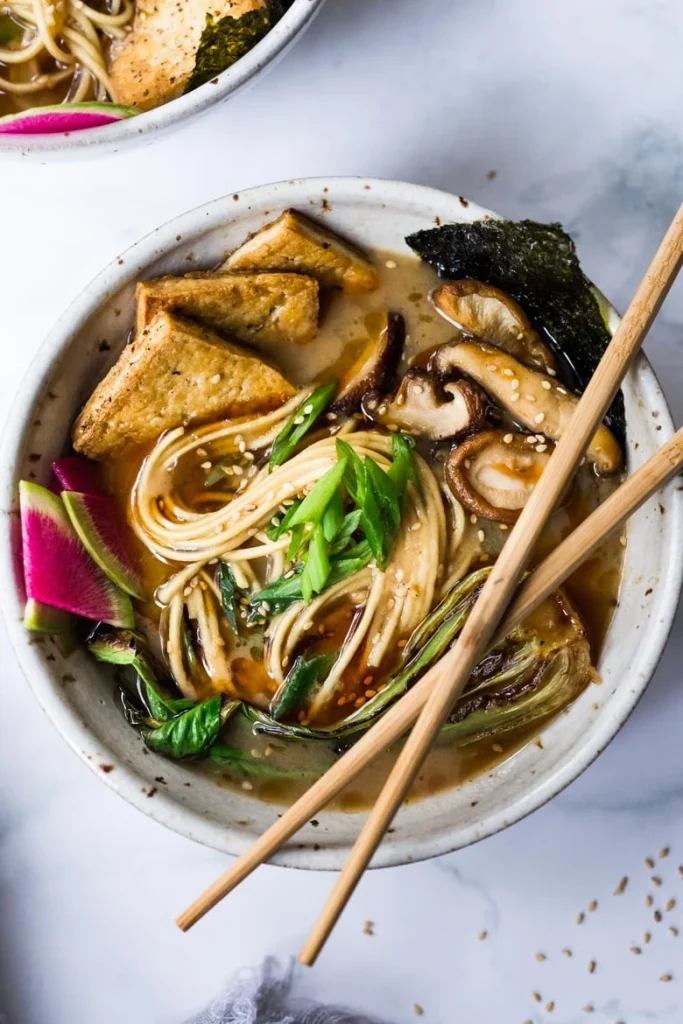
TikTok Vegan Ramen Recipe: The Viral Plant-Based Noodle Bowl Everyone Is Making in 2026

This version takes the best elements from every viral iteration and combines them into a single, reliable recipe that you can make in thirty minutes on a weeknight. The broth is deep and umami-rich without requiring hours of simmering. The tofu is crispy. The toppings are fresh. And the whole bowl comes together in a way that makes you understand, on the first bite, why this became a global phenomenon.

Why Vegan Ramen Is Trending on Every Platform Right Now

Ramen holds a unique cultural position: it is simultaneously street food and comfort food, simple and complex, deeply satisfying and surprisingly light. For years, plant-based ramen was considered an inferior alternative to its pork-broth original. That perception changed when food creators started demonstrating, with genuine results, that a well-built vegan broth — layered with miso, soy, sesame, and aromatics — could produce a bowl of comparable depth and considerably more versatility.

The TikTok ramen trend accelerated this shift. Creators began sharing fast, accessible versions with dramatic reveals — the broth ladled over noodles and toppings, steam rising, the crunch of a soft-boiled egg (or in vegan versions, marinated tofu) cutting through the frame. The visual language of ramen is perfect for short-form video, and the actual cooking technique is straightforward enough for a beginner.

It is a recipe built for the internet, and it deserves to be made in real kitchens too.

Understanding the Layers of a Great Vegan Ramen Broth

The broth is where everything begins and ends. Unlike traditional tonkotsu ramen, which derives its body and richness from hours of pork bone simmering, vegan ramen builds its depth from a different set of tools:

Miso paste is the foundation. White miso (shiro miso) is milder and sweeter; red miso (aka miso) is deeper and more assertive. A combination of both produces the most complex result. Miso is never boiled — it is stirred into the broth at the very end of cooking, preserving its living enzymes and delicate flavour compounds.

Soy sauce and tamari add saltiness and a baseline of umami that runs through the entire bowl.

Sesame paste or tahini contributes richness and a subtle nuttiness that approximates the body of a fat-based broth.

Dried kombu and shiitake mushrooms produce a concentrated dashi — the Japanese umami-rich stock that is the real engine of the broth’s depth. This requires only 20 minutes of cold infusion.

Ginger and garlic provide fragrance. Chilli oil finishes with heat.

When these elements work together, the broth is indistinguishable in satisfaction from a meat-based alternative.

Ingredients (Serves 4)

For the kombu-shiitake dashi:

  • 1 litre cold water
  • 10g dried kombu seaweed
  • 15g dried shiitake mushrooms

For the tare (seasoning sauce):

  • 3 tablespoons white miso paste
  • 2 tablespoons red miso paste
  • 3 tablespoons soy sauce or tamari
  • 1 tablespoon mirin
  • 1 tablespoon sesame paste or tahini
  • 1 teaspoon toasted sesame oil
  • 1 tablespoon chilli oil or chilli paste (gochujang works beautifully)

For the broth:

  • 1 litre vegetable stock
  • The prepared kombu-shiitake dashi
  • 5 garlic cloves, minced
  • 1 tablespoon fresh ginger, grated
  • 1 tablespoon neutral oil

For the crispy tofu:

  • 400g extra-firm tofu, pressed and cubed
  • 2 tablespoons soy sauce
  • 1 tablespoon cornstarch
  • 1 tablespoon neutral oil
  • 1 teaspoon sesame oil

For the noodles and toppings:

  • 400g fresh or dried ramen noodles (or substitute udon, soba, or rice noodles for gluten-free)
  • 200g baby bok choy, halved
  • 150g corn kernels (tinned or fresh)
  • 4 spring onions, thinly sliced
  • 2 sheets nori, cut into strips
  • 2 tablespoons toasted sesame seeds
  • Chilli oil, to serve
  • Bean sprouts (optional)
  • Vegan butter (one small cube per bowl, for richness)

Method

Step 1: Make the Dashi (20 minutes, mostly hands-off)

Combine the kombu and dried shiitake mushrooms with one litre of cold water in a saucepan. Bring slowly to just below a simmer — small bubbles should begin to rise but not break the surface. Hold at this temperature for 15 minutes. Remove the kombu (it becomes slimy if overcooked). Allow the shiitake to continue infusing for five more minutes, then strain. Reserve the mushrooms — slice them and add as a topping. The resulting dashi will be a beautiful amber colour with a deep, savoury aroma.

Step 2: Make the Tare

Whisk together all tare ingredients in a small bowl until smooth. This concentrated seasoning paste is added to each bowl individually, which means each person can adjust the intensity of their broth to their preference.

Step 3: Cook the Crispy Tofu

Press the tofu thoroughly. Cube, then toss with soy sauce and leave for five minutes. Dust with cornstarch. Heat the neutral oil in a frying pan over high heat. Add the tofu in a single layer and cook without disturbing for three to four minutes per side until deeply golden and crispy. Drizzle with sesame oil and set aside.

Step 4: Build the Broth

In a large pot, heat the neutral oil over medium heat. Add garlic and ginger and cook for two minutes until fragrant — do not allow them to brown. Add the vegetable stock and the prepared dashi. Bring to a gentle simmer. Add the bok choy and corn, cooking for two to three minutes until the bok choy is just wilted and vivid green.

Step 5: Cook the Noodles

Cook the ramen noodles separately in boiling water according to the packet instructions. Fresh noodles typically take one to two minutes; dried may take four to five. Drain and rinse briefly with hot water to remove excess starch.

Step 6: Assemble — This Is the Critical Step

Warm your bowls by filling them with hot water for one minute, then emptying. To each warm bowl, add two to three tablespoons of tare. Ladle the hot broth over the tare and stir — the tare will dissolve into the broth, creating your personalised seasoning. Add the noodles. Arrange the crispy tofu, bok choy, corn, sliced rehydrated shiitake, and spring onions over the top. Add nori strips, sesame seeds, and a cube of vegan butter that will melt slowly into the surface. Finish with chilli oil.

Serve immediately. Ramen waits for no one.

FAQ: Vegan Ramen Questions Answered

Can I make the broth ahead of time? Yes. The broth (without the tare) keeps in the refrigerator for up to four days and freezes for up to two months. Make a large batch and reheat portions as needed.

What noodles work best for vegan ramen? Traditional ramen noodles are made with wheat and lye water, which is vegan. For gluten-free, rice noodles or 100% buckwheat soba noodles are excellent alternatives.

How do I make it spicier? Increase the gochujang in the tare, or add a tablespoon of doubanjiang (spicy fermented bean paste) to the broth. A drizzle of homemade chilli oil over each bowl adds both heat and visual drama.

Is this recipe good for meal prep? Store the broth, noodles, tofu, and toppings separately. Reheat the broth and assemble bowls fresh each time for the best texture.

Nutritional Profile

This bowl is genuinely nutritious alongside being deeply satisfying. Tofu provides complete plant-based protein — approximately 20 grams per serving. Miso paste contributes probiotics that support gut health, along with B vitamins and manganese. Kombu is one of the richest dietary sources of iodine, which supports healthy thyroid function. Bok choy provides calcium, vitamin C, and folate. Sesame seeds add healthy fats, calcium, and zinc.

This is a bowl that tastes indulgent and functions as nourishment. That combination is precisely why it keeps trending.